
 Fact checked


We may receive compensation from our partners for placement of their products or services, which helps to maintain our site. We may also receive compensation if you click on certain links posted on our site. While compensation arrangements may affect the order, position or placement of product information, it doesn’t influence our assessment of those products.
Glencore is one of the world’s largest mining and trading groups, supplying copper, coal, cobalt and other raw materials. For UK investors, its size and global reach make it a company worth noting, but investing is about more than brand recognition.
Glencore shares trade on the London Stock Exchange with the ticker symbol GLEN. The shares give exposure to both mining profits and trading income. To decide if it fits in a portfolio, investors need to understand how to buy the stock, what drives the Glencore UK share price, and the risks of a business dependent on global resources.
Glencore and the Markets
Glencore is headquartered in Switzerland but trades in London under the ticker GLEN. As a FTSE 100 company, its results depend on physical resources mined and shipped worldwide rather than digital platforms or patents.
The group has two divisions: mining metals such as copper and coal, and a global trading arm for energy, metals and agriculture. This makes it unusual as both a producer and a trader.
For investors, this creates two revenue streams. Mining income moves with commodity cycles, while trading income is steadier, as Glencore earns margins on the flow of goods. The model benefits from volatility but can also lead to sharp swings in results.
How to Buy Shares in Glencore
Buying Glencore shares is a straightforward process, but each stage has points worth noting.
Glencore shares cannot be bought directly from the company. Investors need a broker with access to the London Stock Exchange. Options include online platforms, mobile-first apps, or accounts from high-street banks. The best choice depends on whether you prioritise low fees, ease of use, research tools, or ISA and SIPP access.
After choosing a platform, open and fund your account. Brokers require ID checks, and deposits are made by transfer or card, though some may take up to a day to process.
On most platforms, Glencore can be found under its London Stock Exchange ticker, GLEN. Most platforms have a search tool where you can type the name or ticker to bring up the company page.
Beginners often use a “market order”, which buys shares at the current trading price. An alternative is a “limit order”, where you set the highest price you are willing to pay. Limit orders can be useful for managing costs, but execution is not always immediate.
After selecting the number of shares, confirm the trade. Once it has gone through, Glencore will appear in your portfolio. From that point you can track the Glencore UK share price, check for dividend announcements, and review company news within your account.
Best Brokers for Buying Glencore Shares
Selecting the right broker is just as important as choosing the company itself. Dealing costs, platform design, and account features all influence long-term results. Below are three established brokers that give UK investors direct access to Glencore shares on the London Stock Exchange.
1. eToro

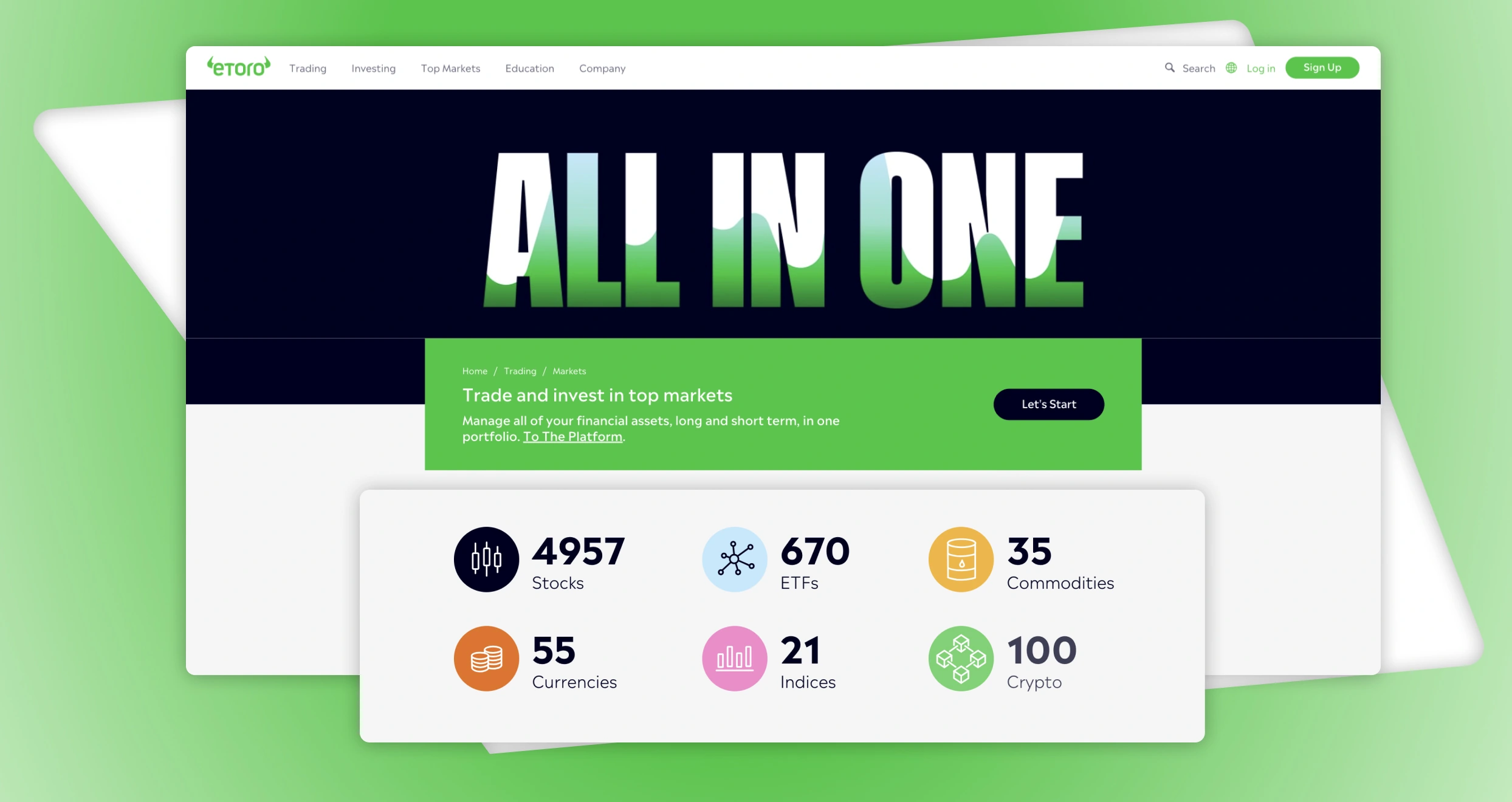
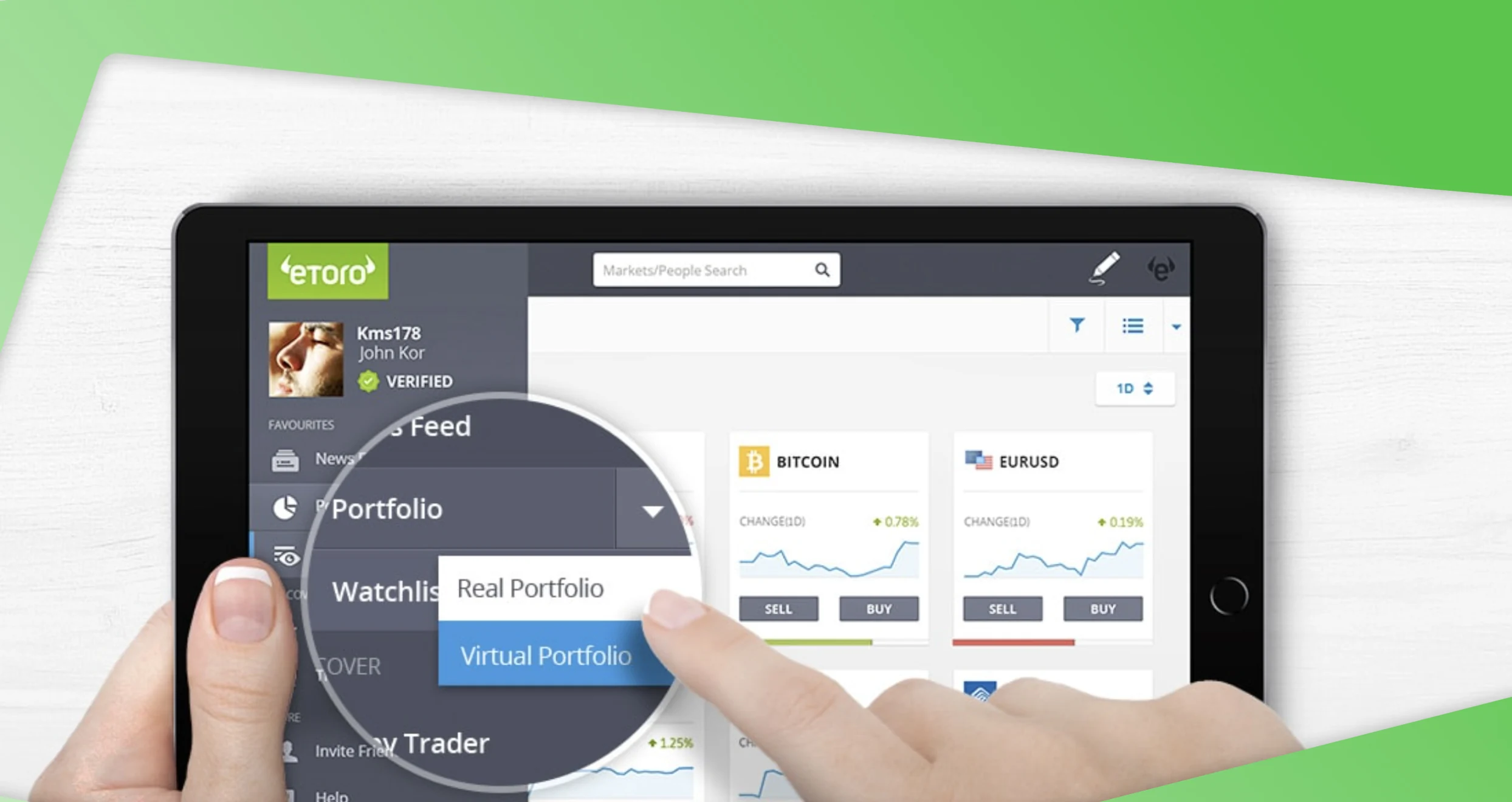

eToro has built a strong following thanks to its beginner-friendly design and social trading features. Investors can buy Glencore shares outright or start with fractional holdings, making it easier to invest smaller sums. Commission-free stock dealing is a key attraction, alongside access to global markets across equities, ETFs, and crypto.

✔5000+ financial instruments
✔Cost-free deposits




Pros
- Easy-to-navigate platform suited to new investors.
- Fractional investing lowers the entry point.
- Commission-free share dealing.
- Wide international market coverage.
- Social trading tools allow users to copy experienced investors
Cons
- Currency conversion fees on sterling deposits and withdrawals.
- Limited advanced research compared with full-service brokers.
- Customer service response times can vary.
- Less cost-effective for frequent leveraged trading
If there’s anything that can eat away at your profit margins, it’s unnecessary costs. Thankfully, eToro fees UK are reasonable and pocket-friendly. We acquired a new account without paying a single cent, which was quite a relief. We also noticed that you can enjoy free deposits by using USD. That said, eToro supports many other currencies, including GBP, EUR, and RMB.
You will incur conversion fees if you use any currency other than USD. And if you use any currency that eToro doesn’t support, you must pay conversion fees to your payment provider. The exact conversion fees you may incur at any moment will depend on various factors, including your preferred currency and payment method.
Please note that eToro subjects each withdrawal request to a £5 fee. The platform uses this money to pay expenses arising from international money transfers. Most importantly, you can’t withdraw less than £30 from the eToro trading platform.
While depositing money into our account, we noticed that eToro has strict minimum deposit requirements. Britons using this platform have to deposit at least £100 the first time. Afterwards, you can fund your account with as little as £10, depending on your preferred payment method.
Commission-wise, eToro is very friendly to people who trade ETFs or invest in real stocks since the broker charges 0% for these assets. On the other hand, if you buy or sell crypto on this platform, expect to pay a 1% fee. CFD trading also attracts variable spreads depending on the involved instruments. For instance, the spreads for currencies and commodities start from 1 pip and 2 pips, respectively.
Not to forget, eToro charges a £10 monthly inactivity fee that kicks in after 12 months of dormancy.
2. IG Markets
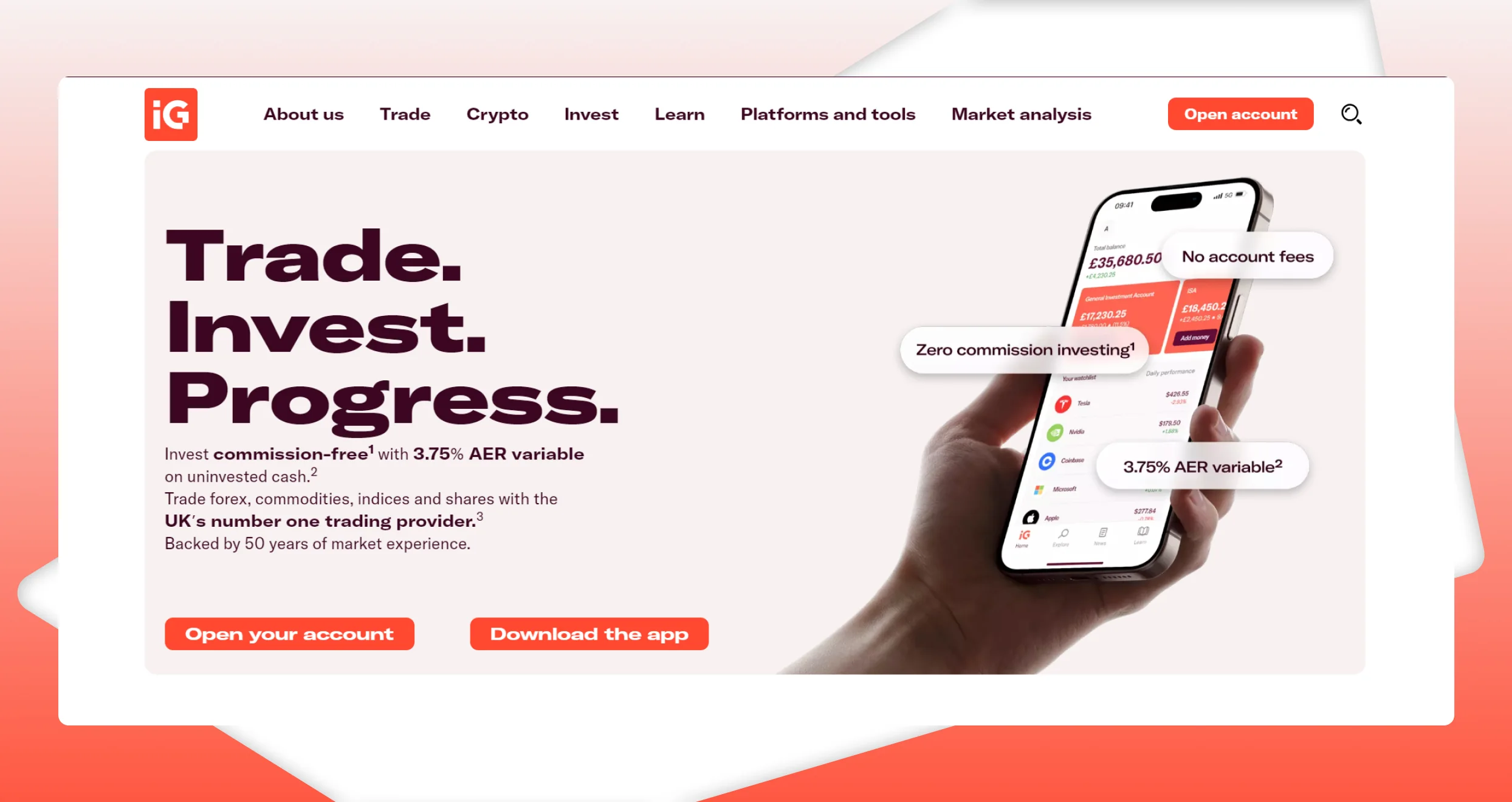
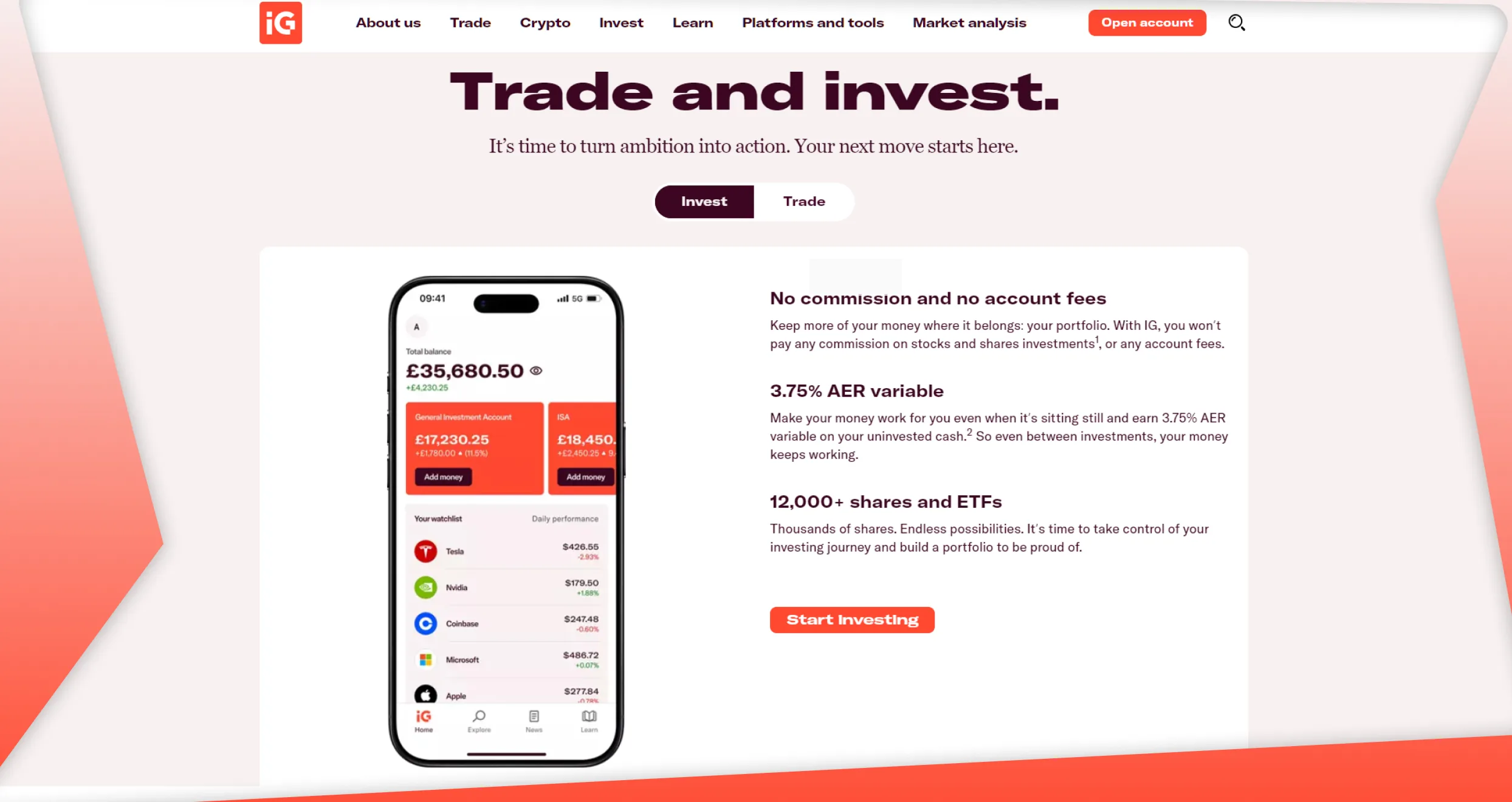
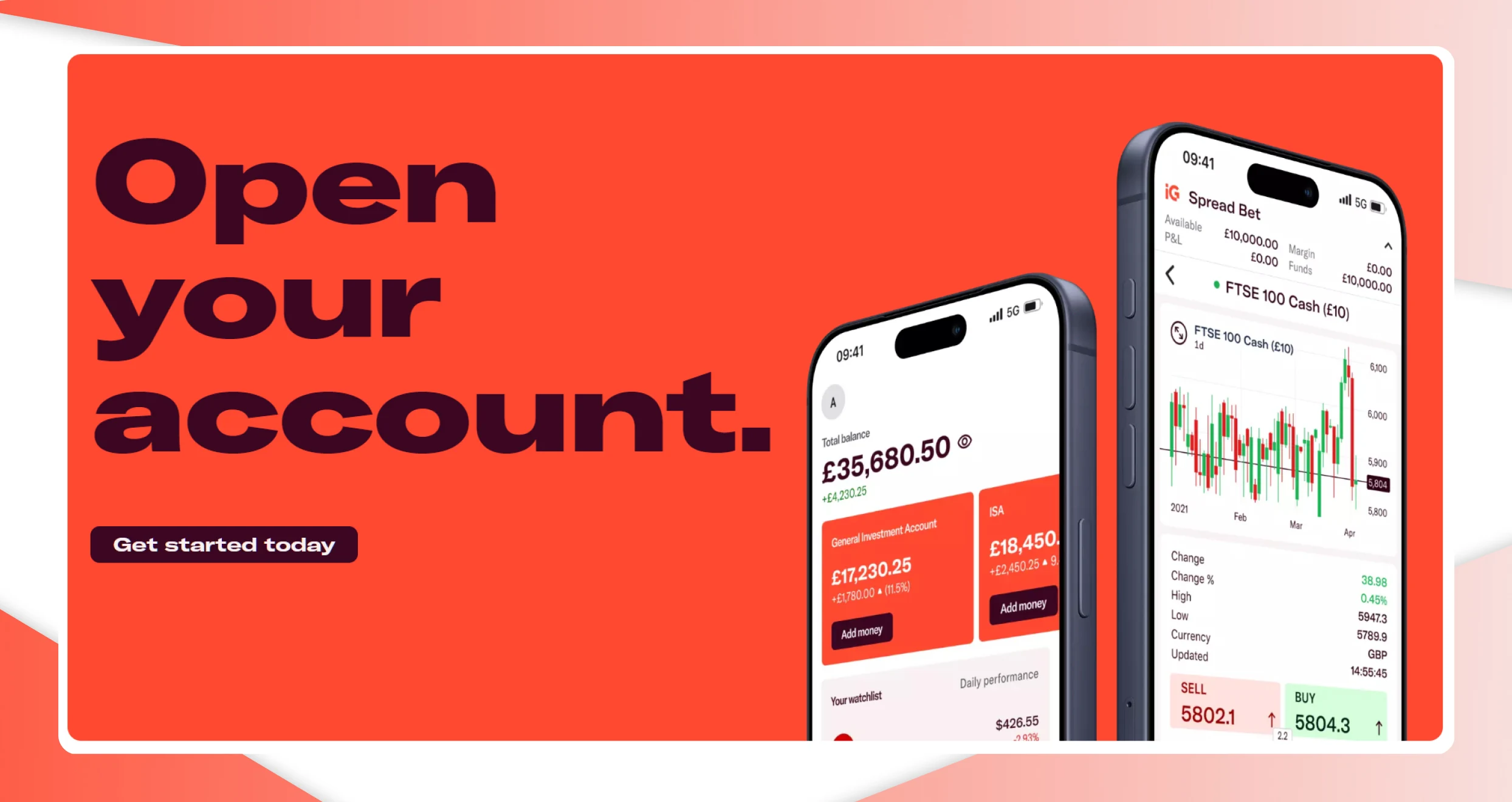
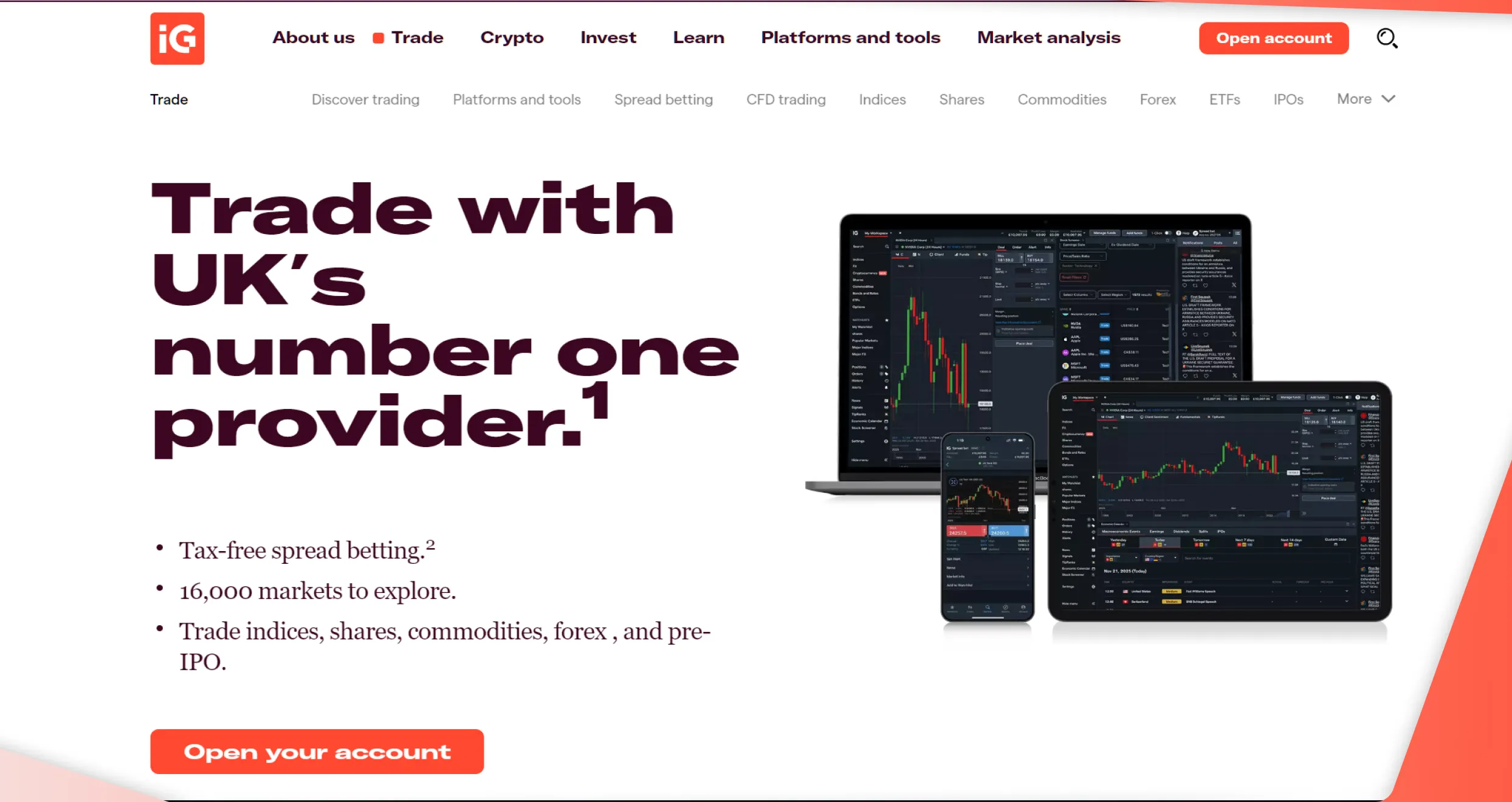
IG Markets is one of the UK’s longest-established brokers, offering access to more than 13,000 shares worldwide, including Glencore. It combines advanced charting, in-depth market data, and a choice of tax-efficient wrappers such as ISAs and SIPPs. Its strong regulatory track record and reputation make it a trusted option for investors who want depth as well as flexibility.

✔Zero minimum deposit requirements
✔17,000+ available products
Pros
- Broad global share coverage, including FTSE 100 stocks like Glencore.
- High-quality research, news flow, and educational resources.
- ISA and SIPP availability for long-term investing.
- Long-standing reputation and strong regulation.
- Advanced trading tools for experienced users.
Cons
- Dealing fees higher than app-based brokers for infrequent traders.
- Higher minimum deposit requirements.
- Platform complexity may deter complete beginners.
- Inactivity fees may apply
Opening an IG Markets account doesn’t cost a dime. Moreover, this broker has no minimum deposit, so you don’t have to worry about compromising your budget. You can also enjoy significant savings by trading with IG Markets since it offers tight spreads, starting from 0.1 points on commodities and 0.6 points on popular currency pairs.
With that in mind, IG Markets charges overnight funding for cash CFD positions and daily funded bets (DFBs) that remain open past 10 pm UK time. The broker also requires traders to cover a small guaranteed stop fee. The fee kicks in every time the guaranteed stop feature is triggered. You should also expect to incur additional when shorting stocks and augmenting your trading experiences with premium services like live data streams.
Luckily, deposits and withdrawals are free on IG Markets. The broker only requires traders to pay a 0.5% standard currency conversion fee. Furthermore, the platform has zero inactivity fees, though your account will be terminated if it remains dormant for 24 consecutive months.
3. Plus500
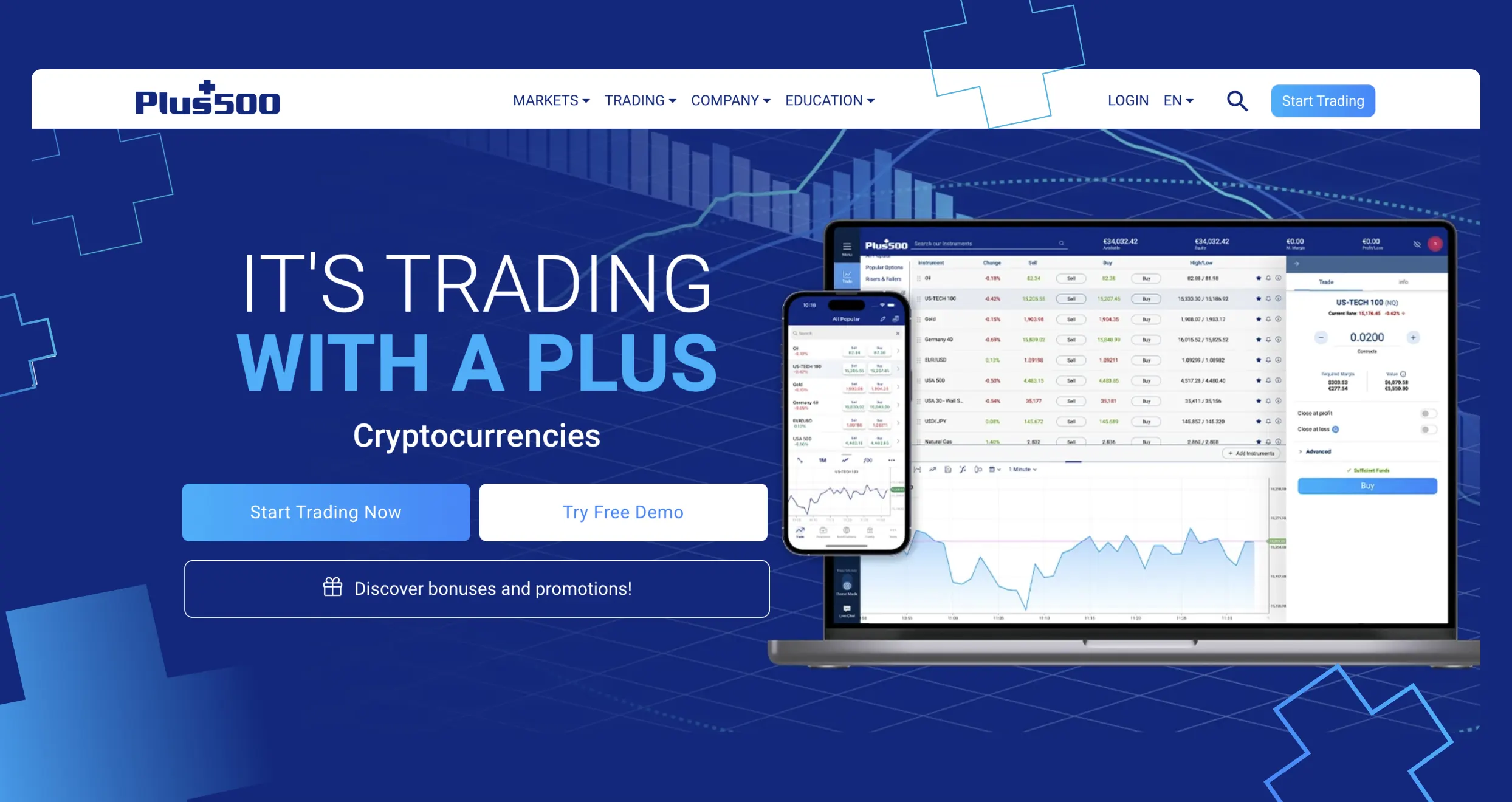
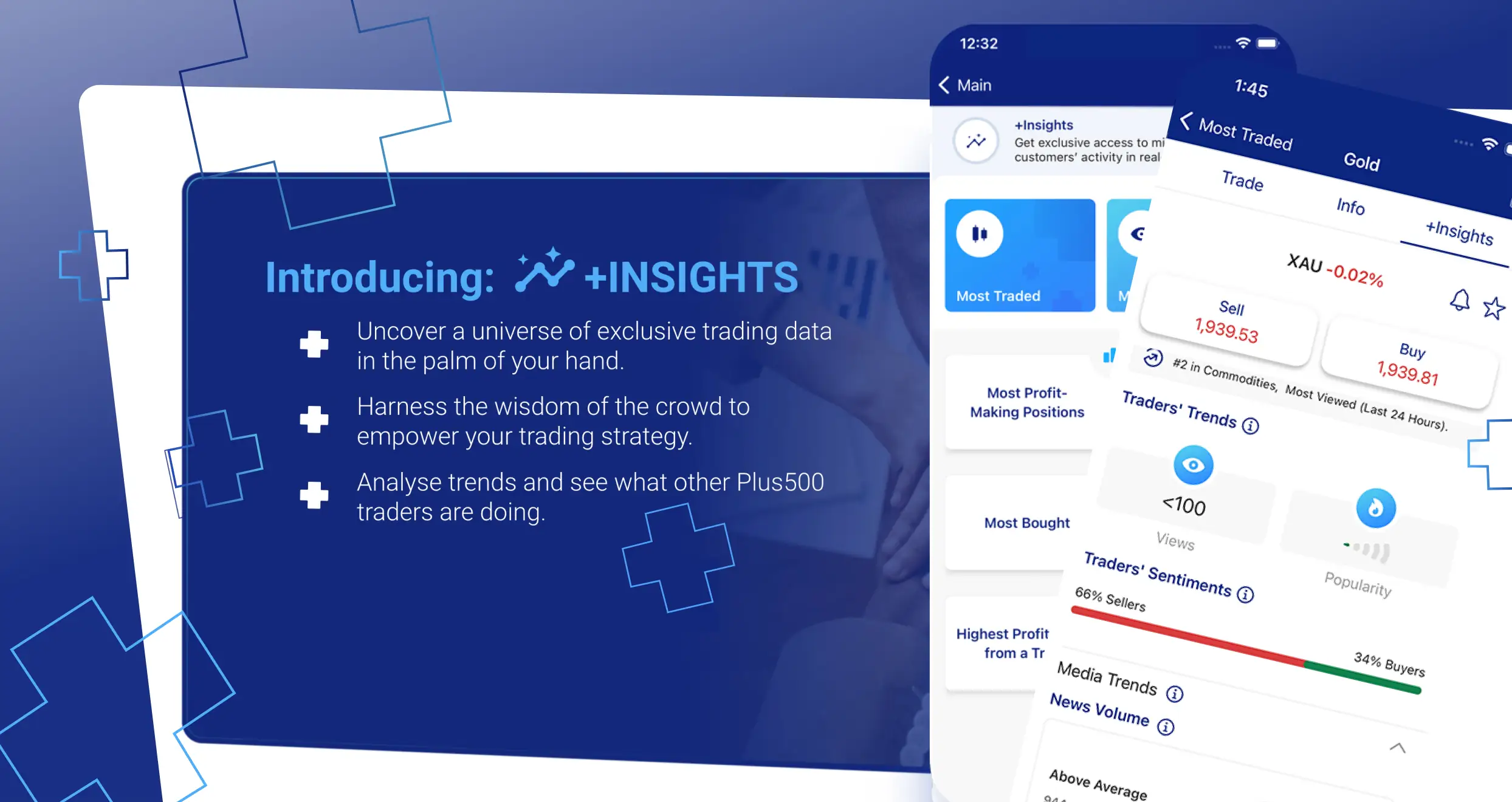


Plus500 is best known for its straightforward interface and mobile-first design. Originally focused on CFD trading, it now also offers direct share dealing. The app is a popular choice among investors who value a user-friendly experience and the convenience of trading on the go. Beyond equities, Plus500 provides access to commodities, indices, forex, and more, making it suitable for those seeking diversified exposure.

✔User-friendly interface
✔Zero deposit and withdrawal fees
Pros
- Clean, intuitive app for mobile trading.
- Competitive spreads and transparent pricing.
- Ability to switch between CFDs and direct shares.
- Wide choice of markets beyond equities.
- Built-in risk management tools such as stop-loss orders.
Cons
- Designed with active traders in mind, less suited to long-term holders.
- Limited depth in research and educational materials.
- Customer support options are more basic than larger rivals.
- No ISA or SIPP access for UK investors
Brokers need to generate revenue and cover operating costs. That’s why many have fees and commissions. Sadly, high charges can undermine your profitability in the long run. That’s why looking for an affordable service provider is necessary.
With that in mind, we evaluated Plus500 fees UK. The process was easy since this broker values transparency. Our team was impressed by the fact that the trading platform doesn’t charge a dime for most services. First, opening an account is free. Deposits and withdrawals also attract zero charges. Furthermore, the broker offers free live CFD prices and dynamic charts. But note that the Plus500 minimum deposit UK is $50.
Plus500 primary source of compensation is the spread. While trading with this platform, you’ll have to cover the spread whenever you open a position. Your costs will depend on various factors, including your preferred instrument and current market conditions.
This broker also charges overnight funding and currency conversion fees. The former fee kicks in whenever you keep a position open overnight. On the other hand, you have to cover currency conversion fees whenever you interact with any currency besides your account’s base currency. Lastly, dormant Plus500 accounts attract a £10 monthly inactivity fee.
Each of these brokers provides a reliable route into Glencore shares, but the right choice depends on your priorities. If low-cost simplicity matters most, eToro is attractive. For research depth and tax-efficient accounts, IG Markets is hard to beat. Those who prefer a mobile-first trading experience may find Plus500 the better fit.
Glencore UK Share Price
The Glencore UK share price is influenced by both company performance and wider market forces. Several factors matter most to investors.
- Commodity prices: Copper, coal and cobalt are central. Higher prices boost profits, while weaker demand cuts margins.
- Global demand: Growth in China and India supports earnings, but slowdowns reduce them.
- Regulation and politics: Environmental rules, taxes, or unrest in mining regions can disrupt operations.
- Dividends and buybacks: Payments and repurchases in profitable years help support the price.
- Currency moves: Results are reported in US dollars, so exchange rates affect UK-listed shares.
Glencore remains highly sensitive to global events. Energy price spikes have lifted trading revenue, while weaker Chinese demand hit metals income. The price also responds to infrastructure projects and demand for transition metals such as copper and cobalt.
Comparing Glencore with Other FTSE 100 Stocks
Glencore’s profile looks very different from many familiar names in the FTSE 100. A bank such as Lloyds depends heavily on UK interest rates and consumer lending. A retailer like Tesco is closely tied to household spending patterns. Glencore, by contrast, operates on a global scale and is driven by commodity cycles rather than domestic demand.
For investors, this difference can add diversification. Holding Glencore introduces exposure to markets that do not always move in line with the UK economy. At the same time, it brings risks that may feel less predictable to those accustomed to steady dividend payers, since profits can rise or fall sharply with swings in global commodity prices.
Pros and Cons of Investing in Glencore
Glencore offers both opportunities and challenges for investors.
Pros
- Exposure to one of the world’s largest commodity groups, active in both mining and trading.
- Potential for dividend payments in profitable years.
- Diversification beyond companies that rely mainly on the UK economy.
Cons
- Earnings are closely tied to commodity cycles, which can be highly volatile.
- The company has faced regulatory scrutiny in several regions.
- Environmental and reputational concerns, particularly linked to coal operations and emissions targets.
Glencore is not a low-risk stock. Strong returns may occur in commodity upswings, but downturns can cause sharp reversals.
FAQs
Glencore is headquartered in Switzerland but its shares trade on the London Stock Exchange under the ticker GLEN. For UK investors, buying its stock is as straightforward as investing in any other FTSE 100 company
The Glencore UK share price is the daily market value of GLEN shares quoted in London. It reflects commodity prices, company performance, and wider economic conditions, adjusted into sterling for UK trading.
No. Most brokers allow you to buy a single share, and some offer fractional investments where you can own part of a share. The main consideration is dealing costs, as frequent small trades can be eaten away by fees.
The company has historically paid dividends in profitable years, often twice annually. Payments are not guaranteed and depend on commodity markets, earnings, and board decisions, so investors should view them as potential income rather than assured returns.
Final Thoughts
Investing in Glencore ties a portfolio to the raw materials that fuel global growth. Copper, coal and cobalt remain central, while its trading arm adds steadier income from moving goods. For UK investors, buying shares is simple once a broker is chosen, but the challenge lies in understanding the global forces that shape results.
Glencore’s fortunes rise and fall with commodity cycles, demand in major economies, and shifts in energy policy. These can deliver strong gains or sharp reversals, alongside regulatory and environmental pressures that may shape strategy.
As part of a portfolio, Glencore adds diversification because it does not move in line with most UK sectors. It is volatile, but for risk-tolerant investors, it provides direct exposure to global commodities and the transition to cleaner energy.