





Claire is an experienced financial analyst with strong analytical skills. With her expertise and focus on thorough market research, Claire ensures individuals in the financial landscape are well-informed. Often in an engaging writing style, her content helps traders quickly grasp the market dynamics. As an Associate Editor of financial news at InvestingGuide, she provides an original analysis of the financial markets and economy. You’ll be at joy reading her flawlessly written content. She has written hundreds of pieces that simplify complex financial topics in plain language.

 Fact checked
Advertising Disclosure
We may receive compensation from our partners for placement of their products or services, which helps to maintain our site. We may also receive compensation if you click on certain links posted on our site. While compensation arrangements may affect the order, position or placement of product information, it doesn’t influence our assessment of those products.
Many UK individuals looking to venture into the cryptocurrency market will think of buying Bitcoin. However, there are thousands of crypto tokens to invest in via a brokerage firm or crypto exchange. Popular options include Ethereum, Litecoin, Ripple, Dogecoin, Cardano, Tether, and more.
Note that the cryptocurrency financial landscape is highly volatile, and digital tokens’ value constantly changes. As a beginner, you must be prepared to conduct extensive market research and analysis before making your purchases. Learn how the cryptocurrency market operates, the risks involved, and tips for getting started. Our comprehensive guide below offers guidance on how to buy crypto in the UK and more.
In This Guide
Best Brokers for Buying Crypto
1. eToro

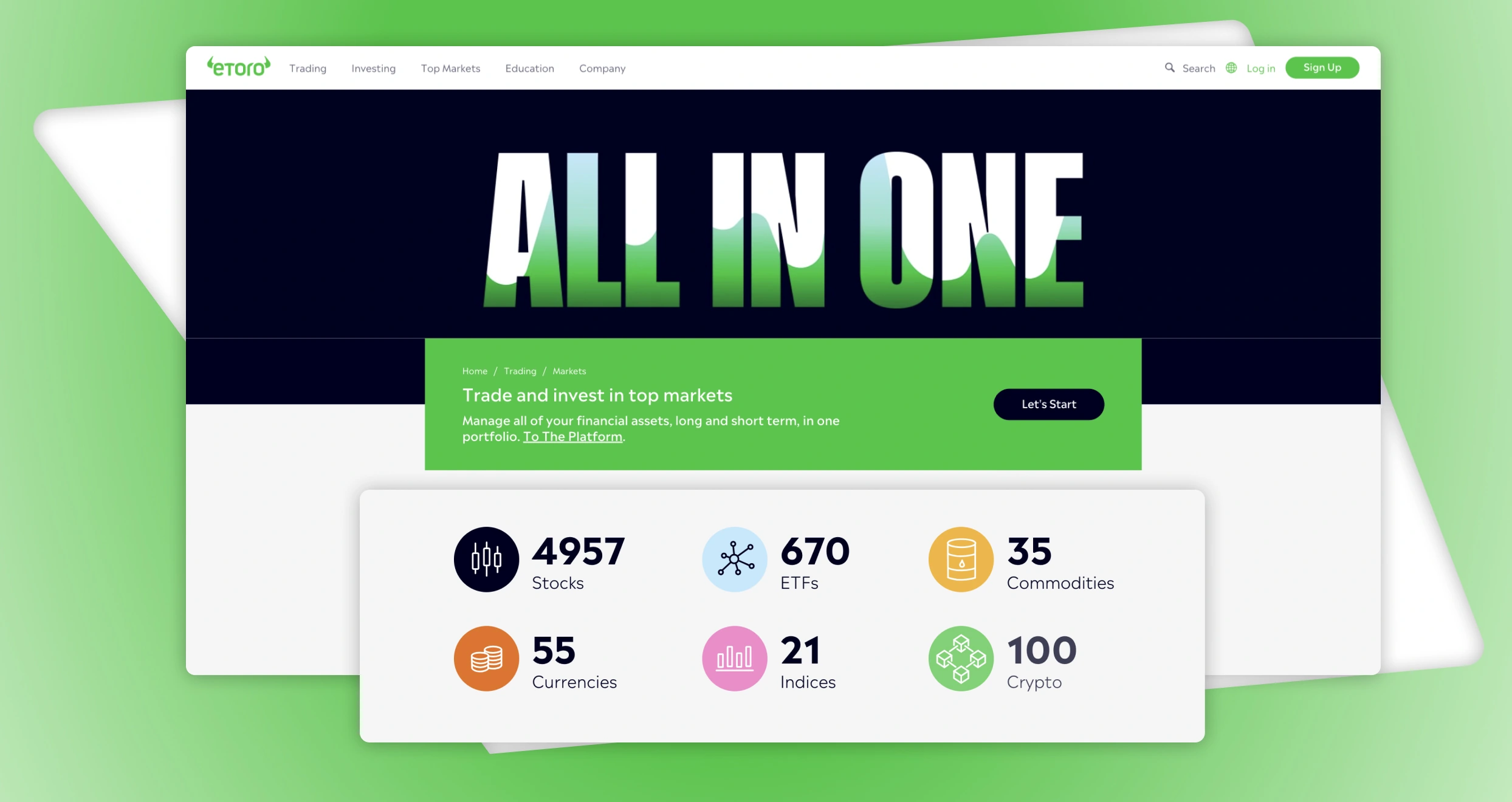
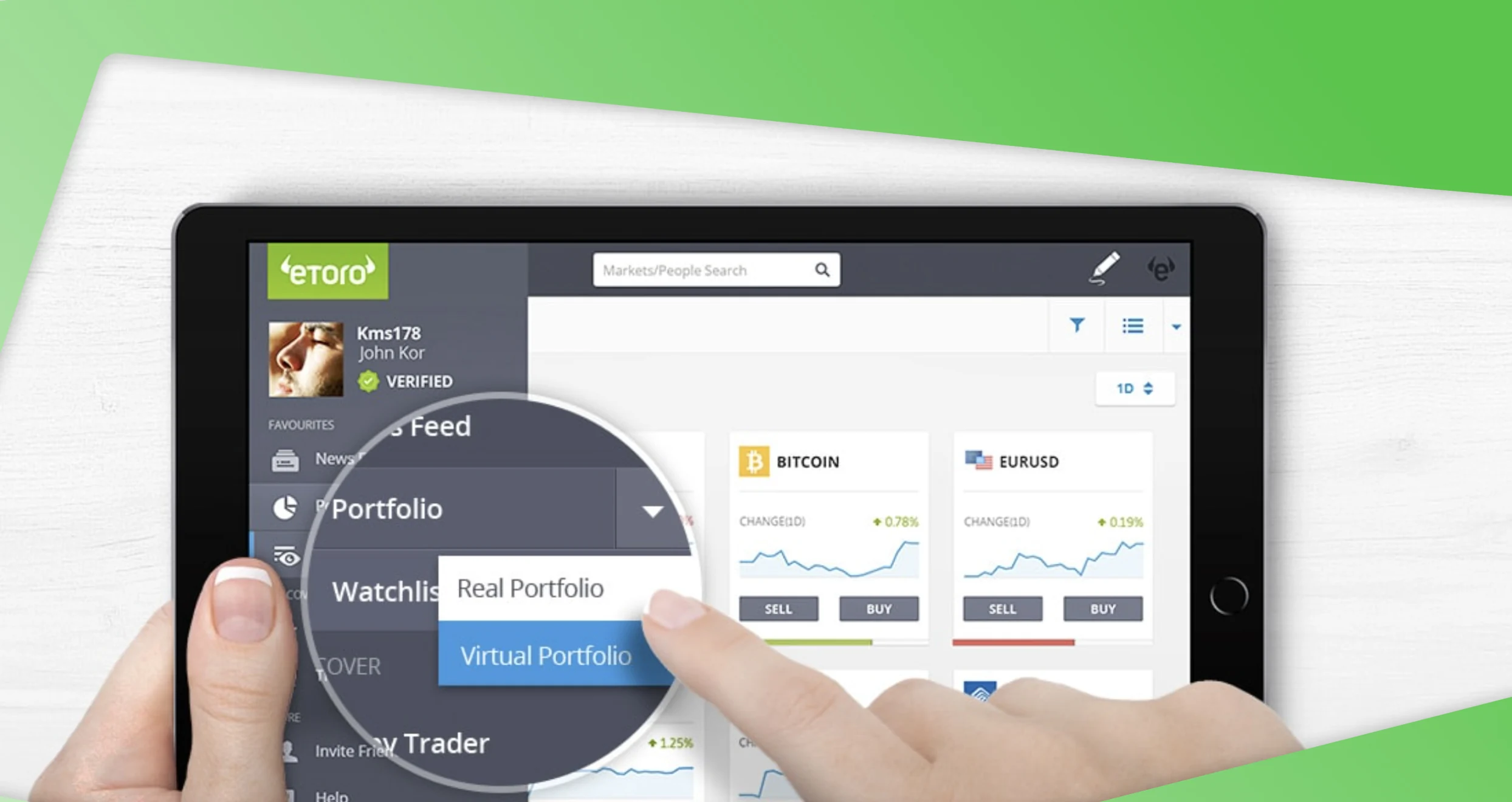

eToro supports spot crypto buying across a range of coins, with a flat 1% fee per trade for standard members. Its minimum deposit requirement is £50, and coins can be held in eToro’s own wallet or withdrawn to an external one. Note that outbound platform transfers cost 2%, while external wallet-to-wallet moves are free aside from network fees.
There are 150+ cryptocurrencies at eToro, plus an additional 11,000+ securities for portfolio diversification. Although there are no third-party platforms, eToro’s web version delivers quality features and services. These include CopyTrader, Smart Portfolios, AI investing, an opportunity to earn interest on balance, and more. Feel free to test it out via its £100,000 virtually funded demo account before committing.

eToro
✔5000+ financial instruments
✔Cost-free deposits
Pros & Cons
Fees
Trading Assets
Pros
- Real crypto ownership, held in eToro’s wallet.
- Low minimum deposit requirement.
- A user-friendly platform with fast trade execution speed.
- Highly professional support service.
Cons
- High crypto trading fees.
- No MT4/5 third-party platforms.
If there’s anything that can eat away at your profit margins, it’s unnecessary costs. Thankfully, eToro fees UK are reasonable and pocket-friendly. We acquired a new account without paying a single cent, which was quite a relief. We also noticed that you can enjoy free deposits by using USD. That said, eToro supports many other currencies, including GBP, EUR, and RMB.
You will incur conversion fees if you use any currency other than USD. And if you use any currency that eToro doesn’t support, you must pay conversion fees to your payment provider. The exact conversion fees you may incur at any moment will depend on various factors, including your preferred currency and payment method.
Please note that eToro subjects each withdrawal request to a £5 fee. The platform uses this money to pay expenses arising from international money transfers. Most importantly, you can’t withdraw less than £30 from the eToro trading platform.
While depositing money into our account, we noticed that eToro has strict minimum deposit requirements. Britons using this platform have to deposit at least £100 the first time. Afterwards, you can fund your account with as little as £10, depending on your preferred payment method.
Commission-wise, eToro is very friendly to people who trade ETFs or invest in real stocks since the broker charges 0% for these assets. On the other hand, if you buy or sell crypto on this platform, expect to pay a 1% fee. CFD trading also attracts variable spreads depending on the involved instruments. For instance, the spreads for currencies and commodities start from 1 pip and 2 pips, respectively.
Not to forget, eToro charges a £10 monthly inactivity fee that kicks in after 12 months of dormancy.
2. Coinbase
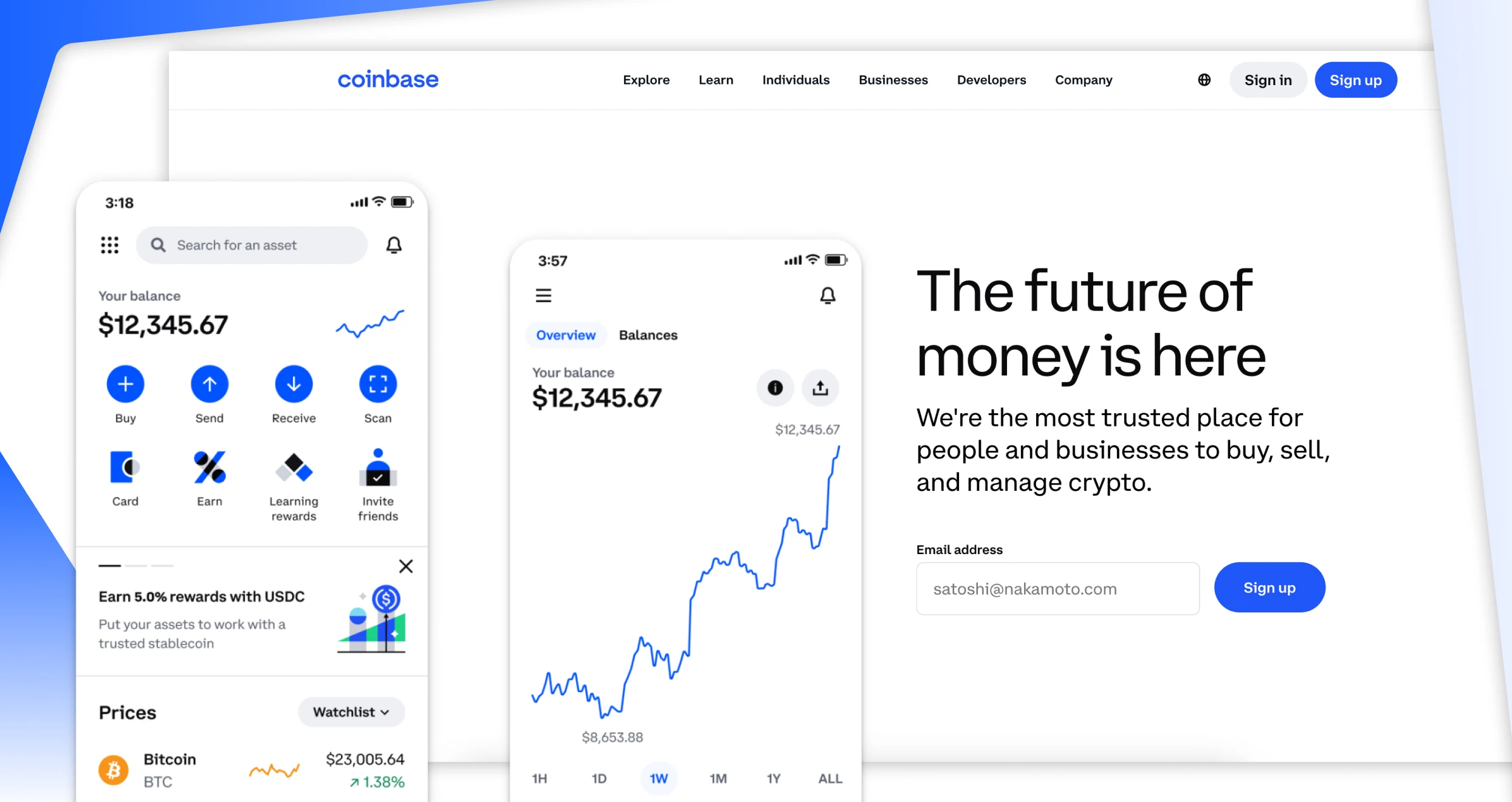
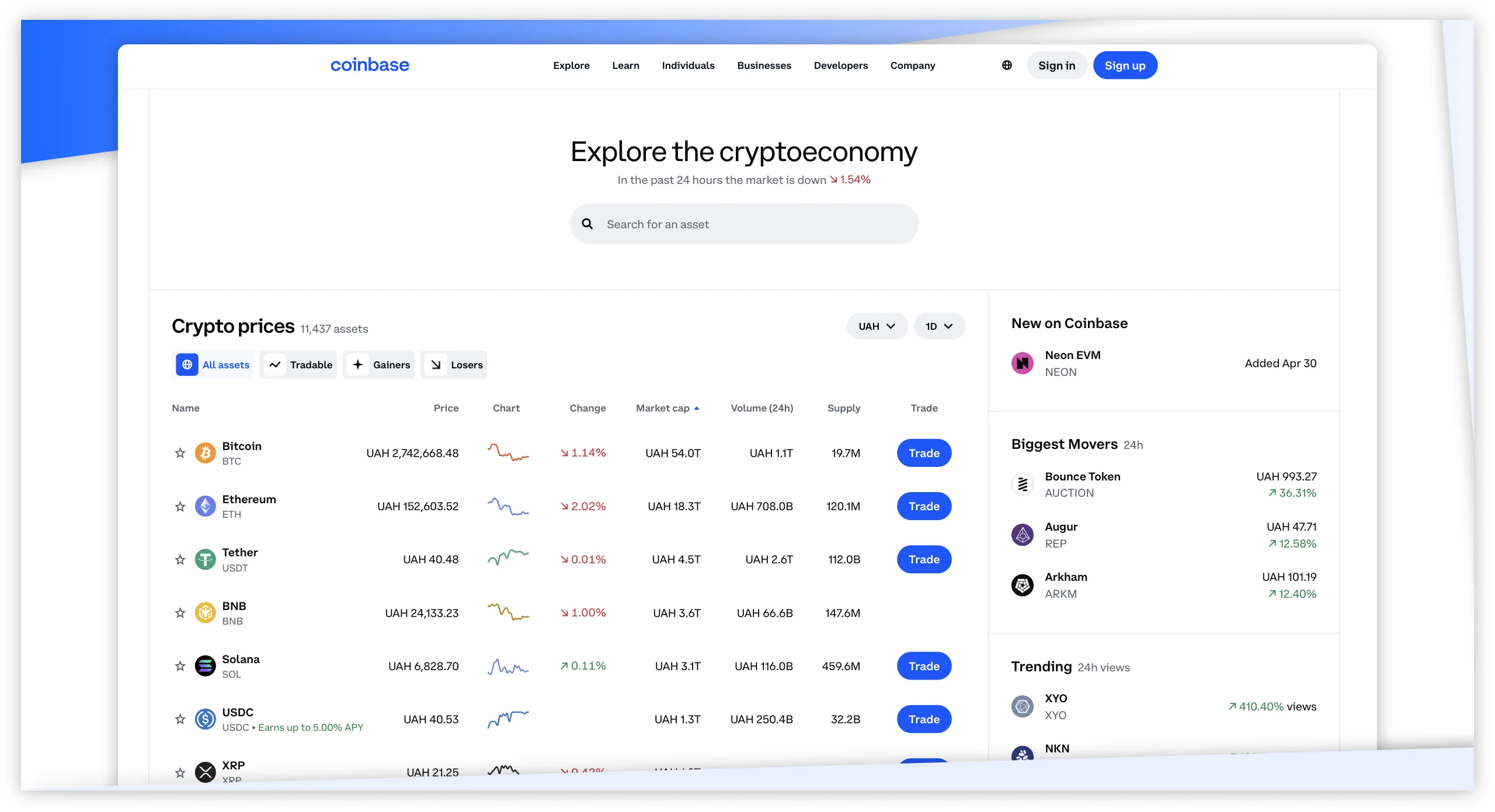

Coinbase offers direct purchase and storage of more than 240 cryptocurrencies, aimed squarely at beginners through its main app, with Coinbase Advanced available for lower fees once you’re comfortable. Instant buys cost up to 3.99% plus spread, while Coinbase Advanced charges 0–0.6% maker and 0.05–1.2% taker fees instead.
GBP deposits via Faster Payments are free, as are matching GBP withdrawals. There’s no minimum deposit requirement, allowing users to get started even with small amounts. A Visa debit card lets you spend crypto balances directly, and staking is available on supported coins for passive returns.
Coinbase
✔Authorised and regulated by the FCA
✔No account inactivity fee
Pros & Cons
Fees
Trading Assets
Pros
- Lists hundreds of crypto tokens.
- Free transactions.
- Staking available for passive returns.
- Offers an opportunity to earn returns on GBP savings.
Cons
- Advanced (cheaper) mode has a steeper learning curve.
- Higher fees compared to its peers.
Creating and maintaining a Coinbase account is free. We used that fact to our advantage by opening a new account and using it to test the Coinbase exchange. While exploring and evaluating this platform, we stumbled upon a few other noteworthy details.
For starters, Coinbase allows its users to store their FIAT and digital assets on the platform free of charge. Moreover, the company’s clients can transfer crypto to and from different primary balances at no cost.
That said, this company requires its users to pay a stipulated fee when transferring crypto from their Base App to other digital wallets. The exact charges depend on factors like the prevailing network fees. Moreover, all Coinbase users must cover a 0.1% processing fee while using the Lightning Network to send Bitcoin from the exchange.
Coinbase also requires investors and traders to cover specific fees while buying, selling, or converting crypto on the exchange. Numerous factors, including your order size and preferred payment method, will determine the costs you’ll incur while partaking in such ventures. You should always use the preview screen to view the fees you are supposed to cover before placing an order.
Not to forget, this exchange includes a spread in every quoted price. Expect to cover this expense whenever you place simple buy/sell orders. If you want to avoid paying the spread, switch to Coinbase Advanced, where you can interact with the order book without an intermediary.
Finally, Coinbase charges maker fees starting from 0bps and taker fees starting from 5bps. And although some payment methods, like ACH, offer free deposits and withdrawals, most require Coinbase users to pay transaction fees. For instance, when withdrawing GBP with Swift, you must pay a £1 withdrawal fee.
What is Crypto Trading?

Cryptocurrency trading is an online-based activity that allows traders to take short-term positions in the cryptocurrency market. While trading, you will buy and sell digital tokens to potentially earn quick profits from the price difference. Here, traders take full ownership of the underlying securities.
Besides buying and selling, you can also trade cryptocurrencies as derivatives, whereby you do not take ownership of the underlying asset. For instance, CFD trading allows crypto traders in the UK to speculate on digital tokens’ price movements and benefit* from the price difference. With CFD cryptocurrency trading, you can predict the value of a token’s rising or falling price (going long or short).
Don’t invest unless you’re prepared to lose all the money you invest. This is a high-risk investment and you should not expect to be protected if something goes wrong.
How does Crypto Trading Work?
It is crucial to understand that cryptocurrencies run on decentralised systems and do not rely on government or central banks’ regulations. They operate on a peer-to-peer system called blockchain and transactions are solely conducted online.
Crypto trading UK requires a broker or exchange listing your preferred tokens. With many providers in the market, ensure you select those that are regulated by the Financial Conduct Authority (FCA) to avoid falling victim to scammers. With brokers or exchanges, you can trade cryptos as derivatives (CFD) or make purchases to benefit* from the price difference in the future. UK clients can also spread bet on cryptos, thus avoiding the tax implications attached.
The best element about the CFD trading method is that you can leverage your assets by opening a position with a fraction of a trade’s full value. Also known as margin trading, it maximises your chances of earning huge profits should a trade work out in your favour. But remember, you can also earn massive losses with the wrong approach and strategy.
That being said, crypto trading UK is highly risky because of margin trading, which can result in losses if a trade goes against you. Therefore, ensure you can thoroughly analyse the crypto markets and develop solid strategies for maximum potential. And if you make purchases, secure your tokens on a digital wallet and do not share your private keys with anyone. Digital wallet storages has proven more secure than leaving your tokens on an exchange. This is especially if you are investing long-term.
Don’t invest unless you’re prepared to lose all the money you invest. This is a high-risk investment and you should not expect to be protected if something goes wrong.
How to Trade Crypto UK: Step-by-step Guide
Trading cryptocurrency requires a strategic approach and solid strategies. You must first understand how the crypto market works, including factors affecting the tokens’ value. Take advantage of your broker’s learning resources, including guides, articles, webinars, eBooks, and more and ensure you are familiar with what you are about to get into.
Additionally, be willing to conduct a thorough market analysis to identify suitable entry and exit points that will maximise your chances of success. Then, follow our steps below on how to invest in cryptocurrency UK to get started on a good note.
Step 1: Visit your broker’s website
Step 2: Create a crypto trading account
Step 3: Participate in the verification procedure
Step 4: Make a deposit
Step 5: Open a position
You first need to visit your cryptocurrency broker’s website to set up a trading account. As mentioned earlier, ensure the broker is FCA-regulated to trade securely. Once on the site, do not rush to create an account. Instead, read the terms of service to ensure you are on the same page and avoid future inconveniences. And of you are always on the move, consider installing your broker’s trading app on your Android or iOS mobile device to efficiently manage your positions even when away from your trading station.
On your broker’s website, click the “register,” “sign up”, or “join now” button to start creating an account. For most FCA-regulated brokers, you will be provided with a form to fill out using your personal details. They include your name, email, phone number, date of birth, source of income, and more. And to further secure your trading account, ensure you create a unique username and password.
It is a standard protocol for all FCA-regulated brokers to verify their clients’ details before fully activating their accounts. This procedure helps to secure the online trading platform from imposters. In this regard, you will be asked to share a copy of your ID card for identity verification. Other brokers will also ask that you provide proof of residence, which in most cases is a copy of your recent utility bill or bank statement. Depending on the broker, the verification process may take up to 48 hours. You will receive an email notification once everything is all set.
Proceed to fund your cryptocurrency account using a convenient payment method supported by your broker. Fortunately, most UK FCA-regulated brokers allow transactions using multiple methods, including credit/debit cards, e-wallets, and bank transfers. Consider the transaction costs applicable to ensure you trade under budget.
Once your deposit is confirmed, you will be redirected to your broker’s dashboard, where cryptocurrencies are listed. Choose your preferred tokens and trade size, and stick to your budget. You must also consider applying risk management controls like stop-loss and take-profit orders to mitigate massive losses in case a trade works against you.
If you are buying a cryptocurrency and taking ownership, ensure you secure your tokens on a legit digital token. Most importantly, stay abreast of the developing market trends so you can identify the best time to make a move.
Read about the best practices for secure trading in our other guide.
Crypto Trading Risks

Like any other venture, cryptocurrency trading comes with risks you must understand in order to make the best decisions. Common risks in this market include:
- Volatility Risk – As mentioned earlier, the cryptocurrency market is highly volatile. This means that there will be unexpected changes, thus affecting the value of the assets. Always conduct market research and track your open positions to ensure everything works out in your favour.
- Regulatory Risk – Cryptocurrencies are not regulated by governments and central banks. Many individuals do not know whether to classify them as commodities or virtual currencies, so they fear investing in them long-term.
- Security Risk – Securing cryptocurrencies online is risky, and many cybercriminals and phishing activities have been reported. There are no physical crypto transactions.
- Sustainability Risk – The cryptocurrency network may experience a hard fork or discontinuation. Understanding these risks is crucial before choosing a token to trade. Remember, when such events occur, and there are no reliable prices in place, trading the tokens might be suspended.
Is it Legal to Buy Crypto UK?
Yes. Ever since cryptocurrencies were introduced in the market, the UK has supported its purchases. However, individuals engaging in this investment must be of legal age (18+ years). You will also need a cryptocurrency brokerage firm or exchange regulated by the FCA to securely buy crypto UK.
Note that cryptocurrency investment in the UK carries risks, and you should be prepared to lose your money. These could be due to various reasons, including constant price changes, failure of a broker to securely segregate your funds, and cyber attacks.
Remember, unlike other securities like stocks and forex, cryptocurrencies in the UK are not regulated. This means that in case you lose your funds, you will not be covered by the Financial Services Compensation Scheme. The good news is that we have witnessed many UK traders and investors earn good profits from the activity. All you have to do is conduct thorough market research, develop solid strategies and avoid making decisions based on emotions to increase your chances of success.
Pros & Cons of Buying Crypto
Buying cryptocurrencies in the UK has enabled individuals to invest their funds online in the comfort of their homes. As professionals with decades of experience in this field, we confess that buying cryptos comes with numerous advantages compared disadvantages, including:
Pros
- You can enhance profits by reinvesting your perks.
- It is flexible, and you do not need to frequently monitor your investments.
- Cryptocurrency values do not fluctuate with inflation, as they vary based on global demand rather than being tied to a single economy or currency.
- Cryptocurrency transactions via decentralised blockchain technology are faster than those of traditional banking systems.
- This market operates 24/7, thus allowing inventors to buy and sell cryptocurrencies anywhere, anytime.
Cons
- You get to miss out on short-term opportunities that can potentially bring about quick profits.
- You must keep your private keys safe, as allowing them to fall into the wrong hands might jeopardise the safety of your tokens.
- The cryptocurrency market is highly volatile, and assets’ value experiences extreme fluctuation. This makes it challenging to predict future prices.
FAQs
Which crypto is best for beginners?
The best cryptocurrencies are those that are already popular and known among global traders. Bitcoin and Ethereum are good examples of the best crypto investment options for newbies. These tokens are widespread, have high liquidity, and have a proven track record of success. However, with many crypto tokens in the financial space, the best for you depends on your personal preference and investment goals. Simply invest in a token you are fully familiar with.
How can a beginner learn crypto?
There are many online resources to learn about cryptocurrencies before venturing into this volatile market. Besides InvestingGuide guides, you can take advantage of brokers’ and exchanges’ resources, including articles, guides, videos, webinars, and more. There are also other online resources like podcasts and YouTube channels. Remember, the cryptocurrency market is evolving with technology. Therefore, never stop learning so you can be fully informed about the latest developments and make informed decisions.
Is trading crypto a good idea?
Absolutely. Making the decision to trade cryptocurrencies can be one of the best. The activity is lucrative, and we have seen many traders earn good profits out of it. However, note that success doesn’t come overnight. It needs hard work, discipline, and patience. Therefore, always conduct a thorough market analysis, understand the risks that come with this investment, and develop solid strategies. This will enable you to identify entry and exit points that will increase your chances of success.
Can you make a living trading crypto?
Yes. Although it is a risky decision and move to make, cryptocurrency trading can be your primary source of income. We advise you to approach the activity cautiously, considering the market volatility. Only open a position when you are confident in your strategy and not based on emotions. Understand that there is always no guarantee of profit when it comes to cryptocurrency trading.
Conclusion
Buying cryptocurrencies in the UK requires a solid understanding of the market, including all the terminologies, the technology involved, how/why prices fluctuate, and more. Our guide on how to buy cryptocurrency UK above has introduced you to the cryptocurrency space, so we hope you are confident in kickstarting your ventures. Never stop learning about the crypto market, considering that it keeps evolving. Take advantage of brokers’ and other online learning resources to stay breast about the latest developments. And when you are ready to make your first investment, start with a small capital that you are comfortable losing in case things do not work out in your favour. Moreover, utilise risk management controls like stop-loss orders to mitigate massive losses.
Related Articles:



I've traded crypto in the UK for a while now, and honestly, starting small and sticking to FCA-regulated platforms made a big difference for me.