
 Fact checked


We may receive compensation from our partners for placement of their products or services, which helps to maintain our site. We may also receive compensation if you click on certain links posted on our site. While compensation arrangements may affect the order, position or placement of product information, it doesn’t influence our assessment of those products.
Aviva is one of the UK’s most recognisable financial services firms, offering a range of products from insurance to pensions. Its name alone may give investors a sense of stability, but buying shares in a company, even a familiar one, is never just a matter of brand recognition. For British investors considering Aviva stock, it’s essential to understand what you’re investing in, how to do it, and what risks or benefits might come with it.
This article sets out the practical steps involved in buying Aviva shares, the role the company can play in a diversified portfolio, and what factors might influence its long-term value.
Aviva on the London Stock Exchange
Aviva plc trades on the London Stock Exchange under the ticker symbol AV. As a member of the FTSE 100, it ranks among the UK’s largest listed companies by market value. When you buy Aviva shares, you’re taking a direct ownership stake in the business. Shares are very different from the financial products Aviva sells, such as insurance or pensions. Their value can fluctuate depending on market conditions.
In Aviva’s case, its share price is influenced by factors such as interest rates, the volume of insurance claims, and broader economic trends. Many investors are also drawn to the company for its dividends, as Aviva has a track record of returning profits to shareholders.
How to Buy Shares in Aviva
Investing in Aviva shares is now easier than ever. You no longer need to speak to a broker or fill in paper forms. Most UK investors can get started through an online trading platform in just a few steps.
Begin by selecting a regulated investment platform that provides access to the London Stock Exchange. Check that it supports trading in UK-listed shares such as Aviva. Platforms differ in how they charge, with some applying a fee per trade and others using flat account charges, so it’s worth comparing costs before you decide.
After choosing a platform, register by providing your identification, selecting your account type (General, ISA, or SIPP), and linking your bank account. Most platforms let you fund your account quickly with a bank transfer or debit card.
When your account is ready and funded, use the platform’s search bar to find Aviva. You can search by the company name or its ticker symbol, AV. You’ll see the current Aviva LSE share price, along with charts and recent news.
You don’t need to buy whole shares unless you want to. Many platforms allow you to invest in fractional shares, meaning you can put in any amount that suits your budget. Even so, be aware that small investments can be affected by fees.
You can choose from different types of orders:\n- A market order buys the shares at the best available current price.
- A limit order allows you to set a maximum price you’re willing to pay, and the trade will only execute if the price falls to that level.
Once you’re satisfied with the details, confirm the order. Your shares will be purchased during market hours, which run from 8:00 am to 4:30 pm, Monday to Friday, in the UK.
Best Brokers for Buying Aviva Shares
When choosing a platform to invest in Aviva, it helps to look at brokers that combine reliability, ease of use, and fair costs. Below are three well-established options that give UK investors straightforward access to Aviva shares and other London-listed stocks.
1. eToro

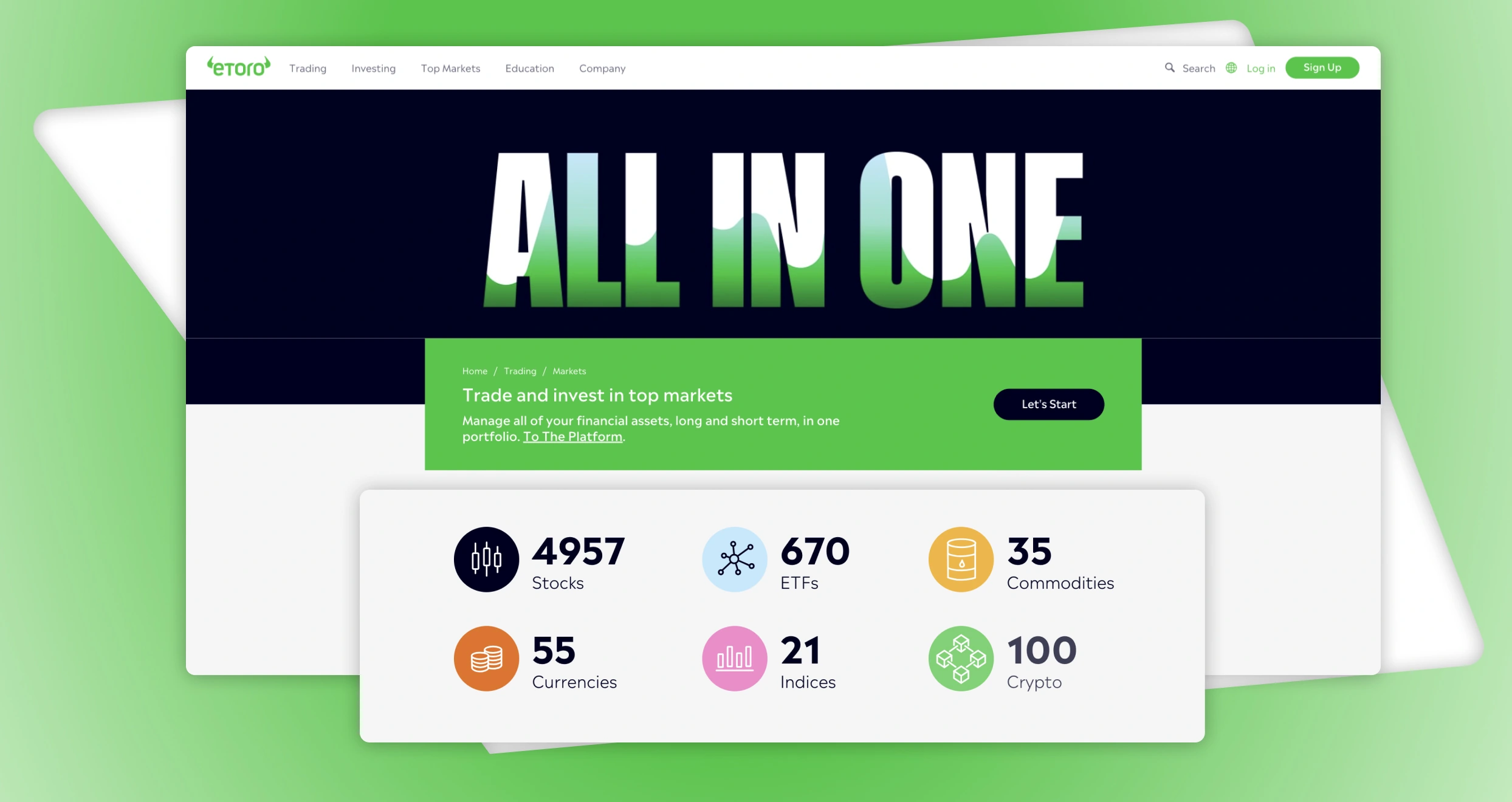
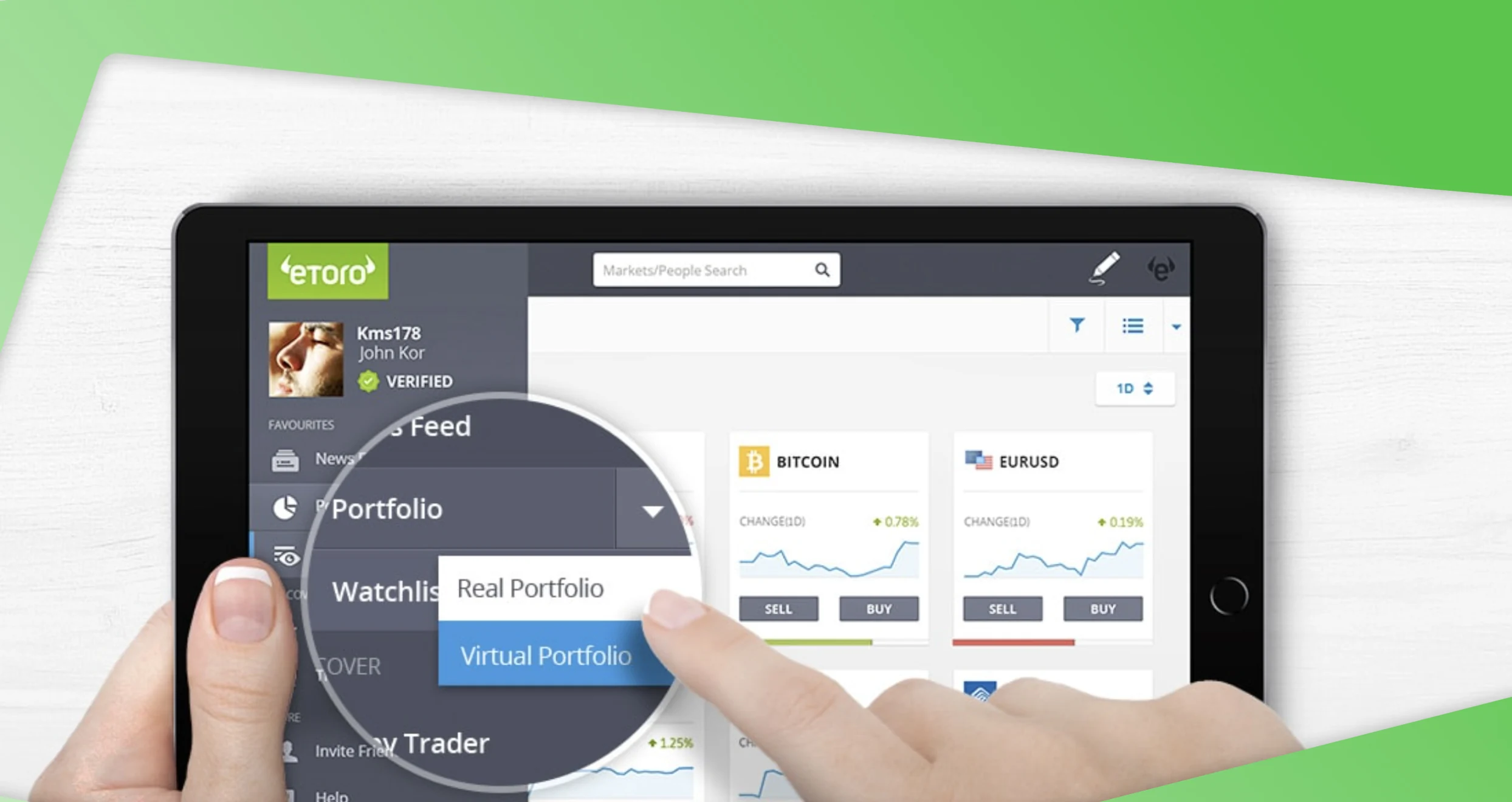

eToro has become a go-to choice for many new investors thanks to its commission-free stock trading and user-friendly design. The platform also offers social trading tools that let you follow or copy other traders, which can be helpful if you are still learning.

✔5000+ financial instruments
✔Cost-free deposits




Pros
- Commission-free trading on shares.
- Clear and simple web and mobile platforms.
- Ability to buy fractional shares with smaller sums.
Cons
- Fewer advanced features for experienced traders.
- Broader focus on CFDs rather than traditional share dealing.
If there’s anything that can eat away at your profit margins, it’s unnecessary costs. Thankfully, eToro fees UK are reasonable and pocket-friendly. We acquired a new account without paying a single cent, which was quite a relief. We also noticed that you can enjoy free deposits by using USD. That said, eToro supports many other currencies, including GBP, EUR, and RMB.
You will incur conversion fees if you use any currency other than USD. And if you use any currency that eToro doesn’t support, you must pay conversion fees to your payment provider. The exact conversion fees you may incur at any moment will depend on various factors, including your preferred currency and payment method.
Please note that eToro subjects each withdrawal request to a £5 fee. The platform uses this money to pay expenses arising from international money transfers. Most importantly, you can’t withdraw less than £30 from the eToro trading platform.
While depositing money into our account, we noticed that eToro has strict minimum deposit requirements. Britons using this platform have to deposit at least £100 the first time. Afterwards, you can fund your account with as little as £10, depending on your preferred payment method.
Commission-wise, eToro is very friendly to people who trade ETFs or invest in real stocks since the broker charges 0% for these assets. On the other hand, if you buy or sell crypto on this platform, expect to pay a 1% fee. CFD trading also attracts variable spreads depending on the involved instruments. For instance, the spreads for currencies and commodities start from 1 pip and 2 pips, respectively.
Not to forget, eToro charges a £10 monthly inactivity fee that kicks in after 12 months of dormancy.
2. IG Markets
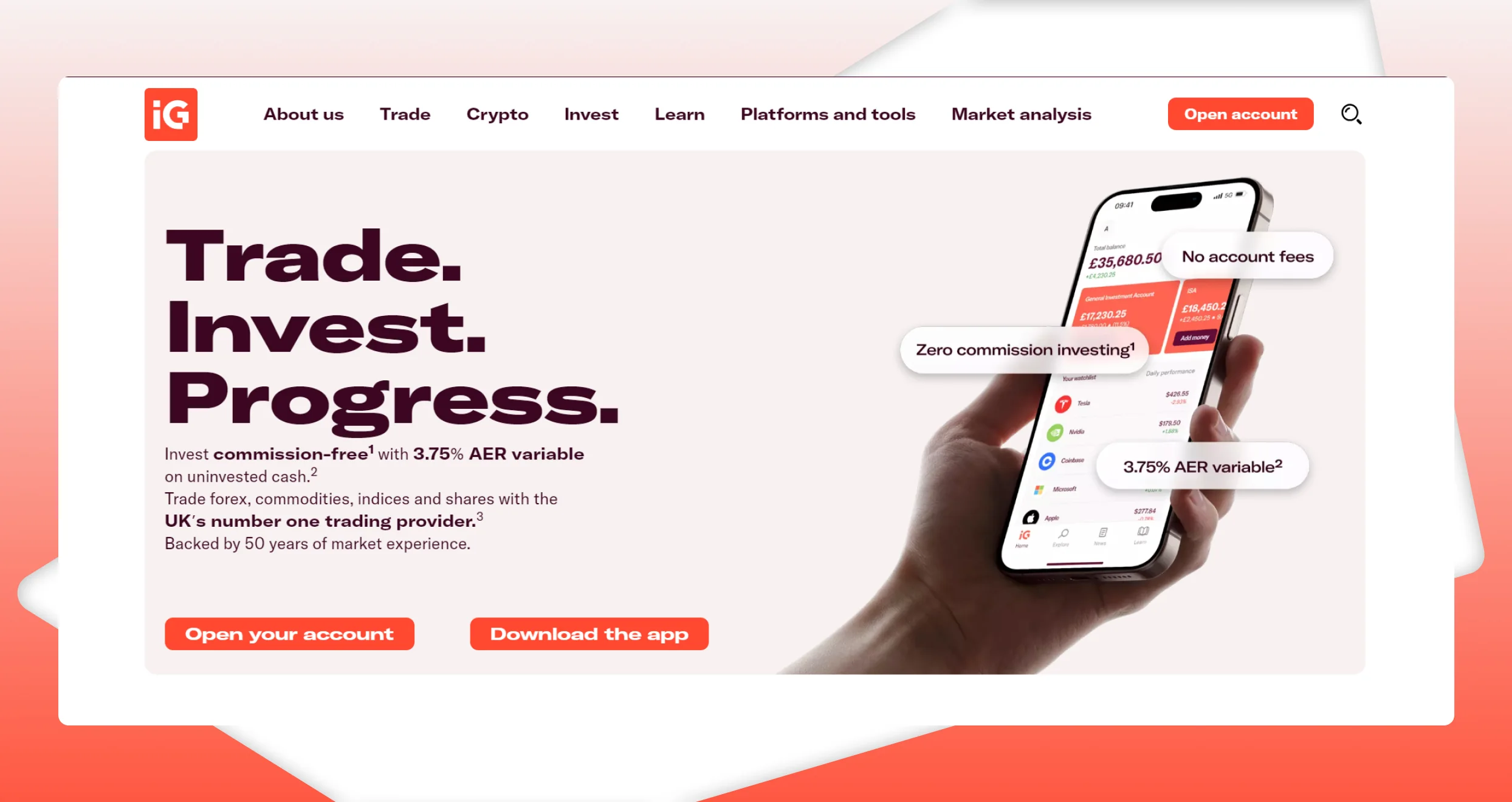
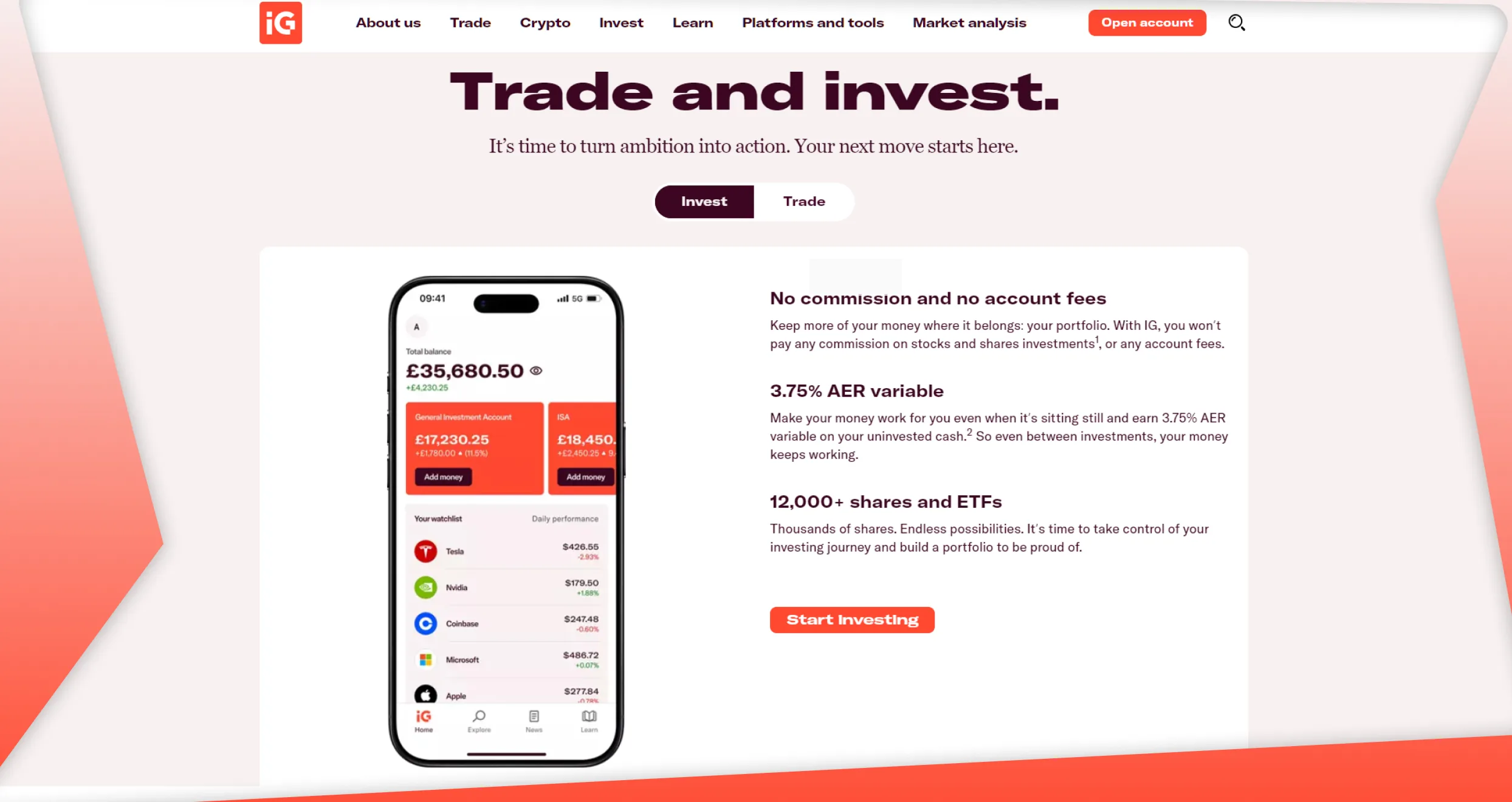
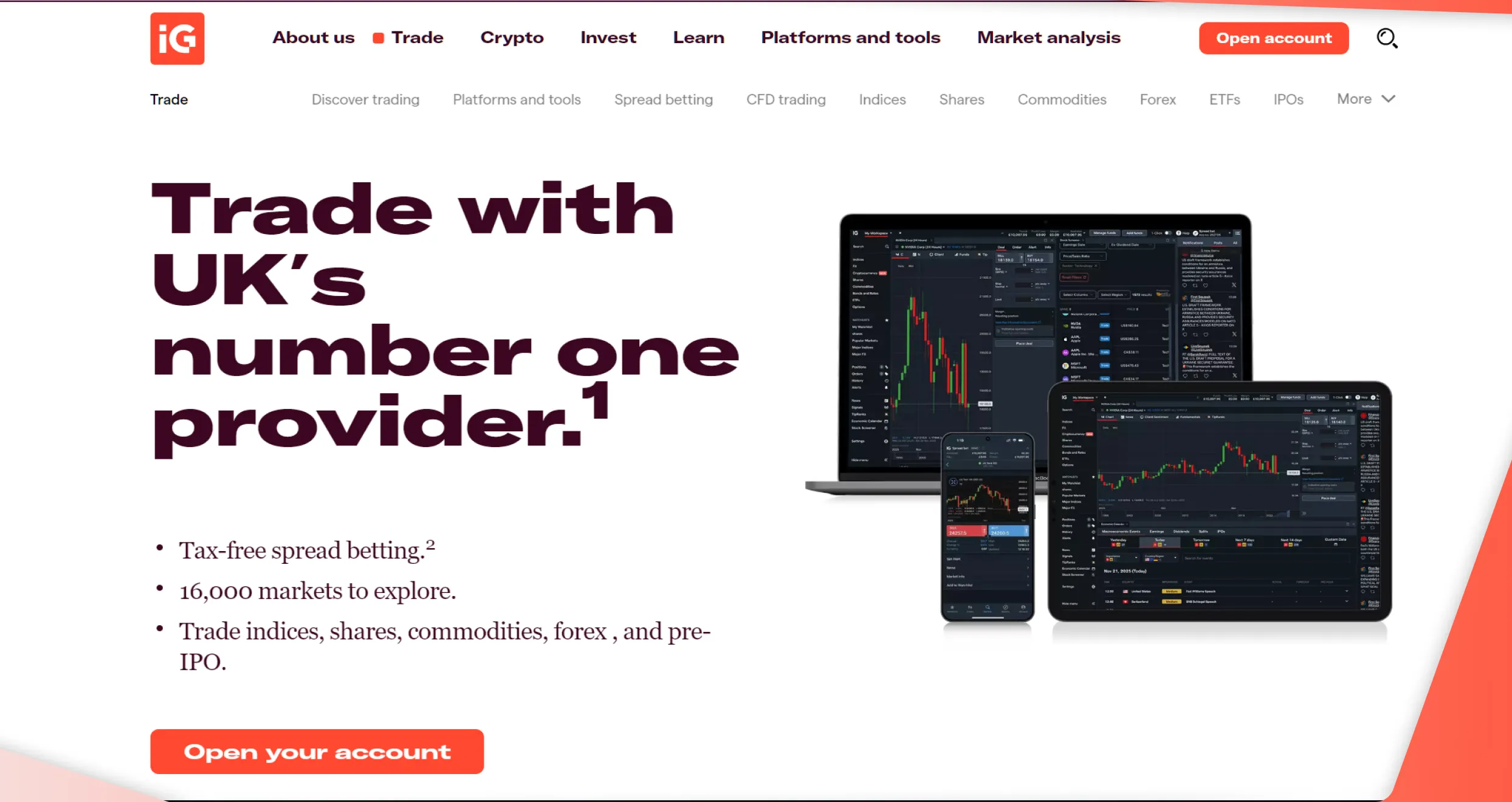
Founded in London, IG has built a strong reputation as one of the UK’s largest brokers. It provides direct access to the London Stock Exchange, including all FTSE 100 companies such as Aviva. Investors benefit from a wide product range and robust market research.

✔Zero minimum deposit requirements
✔17,000+ available products
Pros
- Direct LSE access with a broad range of UK and overseas shares.
- Strong research tools and professional trading features.
- Options to invest through ISAs and SIPPs.
Cons
- Fees can be less competitive for smaller portfolios.
- Platform may feel complex for complete beginners.
Opening an IG Markets account doesn’t cost a dime. Moreover, this broker has no minimum deposit, so you don’t have to worry about compromising your budget. You can also enjoy significant savings by trading with IG Markets since it offers tight spreads, starting from 0.1 points on commodities and 0.6 points on popular currency pairs.
With that in mind, IG Markets charges overnight funding for cash CFD positions and daily funded bets (DFBs) that remain open past 10 pm UK time. The broker also requires traders to cover a small guaranteed stop fee. The fee kicks in every time the guaranteed stop feature is triggered. You should also expect to incur additional when shorting stocks and augmenting your trading experiences with premium services like live data streams.
Luckily, deposits and withdrawals are free on IG Markets. The broker only requires traders to pay a 0.5% standard currency conversion fee. Furthermore, the platform has zero inactivity fees, though your account will be terminated if it remains dormant for 24 consecutive months.
3. Plus500
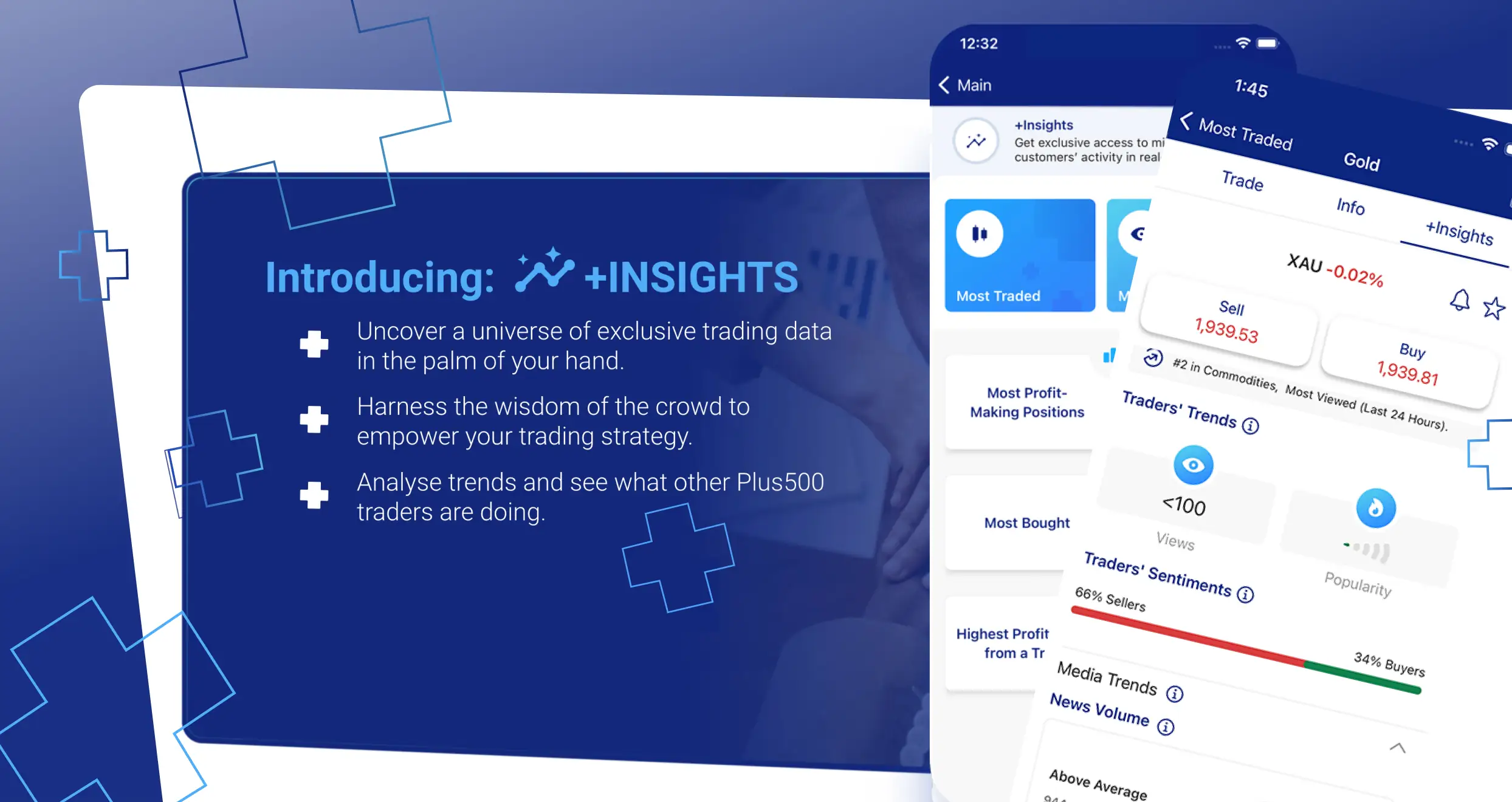


Plus500 is a popular choice among investors who value a user-friendly platform and straightforward trading experience. It is FCA-regulated and offers competitive spreads on a wide selection of shares, including large UK names.

✔User-friendly interface
✔Zero deposit and withdrawal fees
Pros
- Easy-to-use trading platform.
- Competitive spreads on share trading.
- FCA-regulated and widely trusted.
Cons
- Primarily focused on CFDs, which may not suit long-term ISA investors.
- Limited research and educational resources.
Brokers need to generate revenue and cover operating costs. That’s why many have fees and commissions. Sadly, high charges can undermine your profitability in the long run. That’s why looking for an affordable service provider is necessary.
With that in mind, we evaluated Plus500 fees UK. The process was easy since this broker values transparency. Our team was impressed by the fact that the trading platform doesn’t charge a dime for most services. First, opening an account is free. Deposits and withdrawals also attract zero charges. Furthermore, the broker offers free live CFD prices and dynamic charts. But note that the Plus500 minimum deposit UK is $50.
Plus500 primary source of compensation is the spread. While trading with this platform, you’ll have to cover the spread whenever you open a position. Your costs will depend on various factors, including your preferred instrument and current market conditions.
This broker also charges overnight funding and currency conversion fees. The former fee kicks in whenever you keep a position open overnight. On the other hand, you have to cover currency conversion fees whenever you interact with any currency besides your account’s base currency. Lastly, dormant Plus500 accounts attract a £10 monthly inactivity fee.
Selecting the right broker depends on your budget, trading style, and whether you value simplicity or advanced features. Taking time to compare these options can help you find the best fit for your Aviva investment strategy.
Is It a Good Time to Buy Aviva Stock?
No one can predict the perfect moment to buy, but it is possible to weigh the current environment.
Aviva has drawn attention for its stable dividends and a restructuring that has shifted its focus to core markets in the UK, Ireland, and Canada. This leaner model has appealed to investors seeking profitability.
Insurance stocks, however, remain sensitive to economic shifts. Rising interest rates can boost investment income but also put pressure on households and clients. Aviva’s share price has shown moderate volatility, so it’s worth monitoring earnings, dividend announcements, and market outlooks.
What Affects the Value of Aviva Shares?
Aviva’s share price, like any listed company, reflects both company-specific factors and wider market trends. Understanding these drivers can help investors make more informed decisions.
- Dividend changes: As a dividend stock, any rise or cut in payouts has a direct impact on the price.
- Interest rates: Higher rates can lift investment income but may reduce demand for some financial products.
- Regulation: New rules on insurance or pensions can raise costs or create opportunities.
- Claims trends: Natural disasters, pandemics, or other events can increase claims and reduce margins.
- Market sentiment: Confidence in the FTSE 100 and the financial sector significantly influences Aviva, particularly during periods of economic uncertainty.
Buying Aviva Shares Through an ISA or SIPP
While you can buy Aviva shares through a standard investment account, many UK investors choose to hold them within a tax-efficient wrapper such as an ISA or SIPP.
- Stocks and Shares ISA: Any dividends or capital gains earned on Aviva shares held in an ISA are tax-free. The annual allowance for contributions is £20,000 for the 2024/25 tax year.
- Self-Invested Personal Pension (SIPP): A SIPP is designed for long-term retirement savings, offering tax relief on contributions that can help your investments grow more effectively over time.
Most mainstream investment platforms support both account types. Holding shares within these wrappers can help reduce your overall tax burden and enhance net returns, particularly for those with long-term investment goals in mind.
Should You Buy Aviva Shares Now?
Aviva remains a familiar presence in the UK market, often appealing to income-focused investors due to its dividend policy and position in the insurance and pensions sector. Still, whether it’s a suitable choice depends on your goals, risk tolerance, and time horizon.
The company has streamlined its operations and refocused on core markets, but its share price can still move with economic shifts, regulatory changes, and market sentiment. As with any listed stock, risks remain.
Comparing Aviva with other financial firms or diversified funds can help clarify where it fits in your portfolio. Relying on brand recognition alone is rarely enough. What matters is how well the investment aligns with your broader strategy.
FAQs
No, Aviva does not sell shares directly to individuals. You must go through a regulated broker or online platform that provides access to the London Stock Exchange.
Yes, Aviva has a long history of making regular dividend payments. However, payout levels can change, so it’s worth checking the latest figures before investing.
Most UK share purchases include a 0.5% stamp duty. Outside of an ISA or SIPP, you may also owe tax on dividends or gains, depending on your allowances.
Yes, you can sell your shares during regular market hours, which run from 8:00 am to 4:30 pm on trading days. Just check your platform’s fees and the bid-ask spread, as these may affect the amount you receive.
Final Thoughts
Aviva is a familiar name in the UK and may appeal to income-focused investors. Yet owning shares is very different from being a customer. Shareholders face market fluctuations, with the potential for gains or losses.
If you see Aviva as part of a long-term strategy, consider how it fits within a broader mix of assets. Dividends and its role in the UK financial sector can be attractive, but no stock is risk-free. A clear sense of your goals and what you are investing in will support more informed decisions.