
 Fact checked


We may receive compensation from our partners for placement of their products or services, which helps to maintain our site. We may also receive compensation if you click on certain links posted on our site. While compensation arrangements may affect the order, position or placement of product information, it doesn’t influence our assessment of those products.
Coca-Cola is among the world’s best-known brands, tracing its history back to the 19th century. For many UK investors, it often serves as a first step into the US stock market: a brand they are familiar with and one that feels more approachable than a fast-growing tech firm or a specialist miner. Yet buying into such a multinational is not as simple as picking up a bottle. It means understanding how overseas shares are traded, which platforms provide access, and how Coca-Cola can fit into a balanced portfolio.
Why Consider Owning Stocks and Shares?
Buying shares makes you a part-owner of the business. By buying Coca-Cola stock, you share in its profits and potential growth. Shares involve greater risk than savings, but offer growth potential through dividends and rising prices.
Coca-Cola appeals to UK investors for several reasons:
- Global brand: Sold in over 200 countries, from London supermarkets to remote markets.
- Dividend record: A dividend aristocrat with decades of steady increases.
- Defensive sector: Consumer staples tend to hold up better in downturns.
That said, no stock is risk-free. Changing consumer habits, regulation, and currency swings can all affect returns. Coca-Cola works best as part of a diversified portfolio, rather than as a stand-alone holding.
How to Invest in Coca-Cola
Buying Coca-Cola shares from the UK involves a few essential steps. Although the process may sound technical at first, it is broadly similar to buying shares in British companies such as Lloyds Banking Group or Tesco.
Select an FCA-authorised broker that allows trading in US-listed shares. Well-known options are Hargreaves Lansdown, AJ Bell, Freetrade, eToro, and Interactive Brokers. Check fees carefully, as some charge for foreign trades or currency conversion.
Deposit pounds and let your broker convert them into dollars, usually with a margin. If you plan to buy more than one US stock, choose a broker that allows dollar balances to reduce costs.
Coca-Cola trades on the New York Stock Exchange (NYSE) under the symbol KO. Most platforms will show live price charts and company information, often with the Coca-Cola share price UK equivalent alongside the US figure.
You do not need to buy a full share. Fractional investing lets you start with as little as £10. Think about whether Coca-Cola will be a small holding for diversification or a core income stock for its dividends.
- A market order buys instantly at the current price.
- A limit order only executes if the stock reaches the price you set.
Market orders are straightforward, while limit orders are useful if you want to control entry price or avoid buying during sharp swings.
After purchase, the shares appear in your portfolio. Track dividends, earnings, and the pound-dollar rate, all of which affect returns. If you hold Coca-Cola in an ISA or SIPP, remember the US withholding tax on dividends still applies.
Best Brokers for Buying Coca-Cola Shares
The broker you choose will influence both the cost and the overall experience of investing in Coca-Cola. Several FCA-regulated platforms in the UK give access to US shares, each with its own strengths.
1. Interactive Brokers (IBKR)

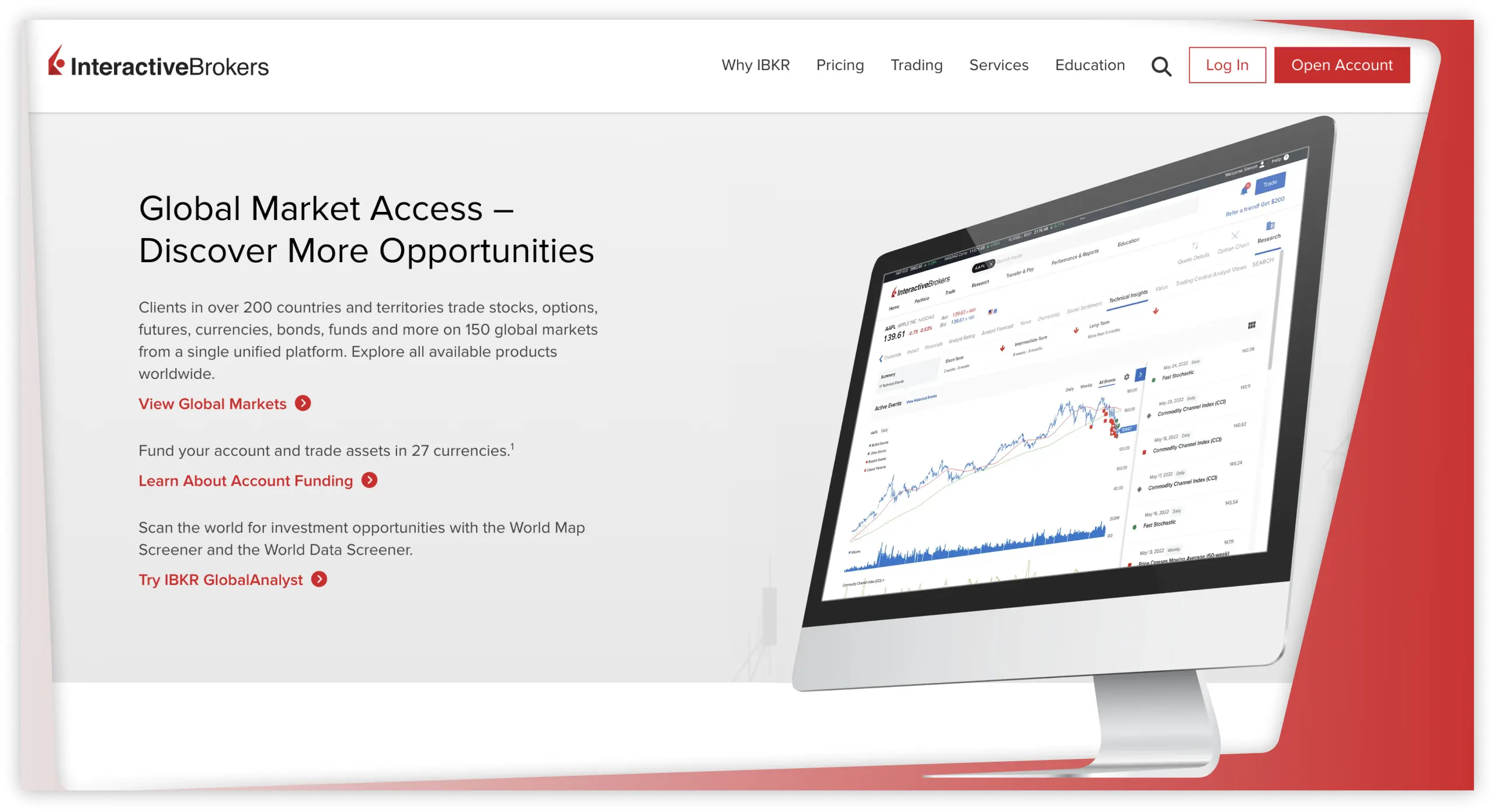
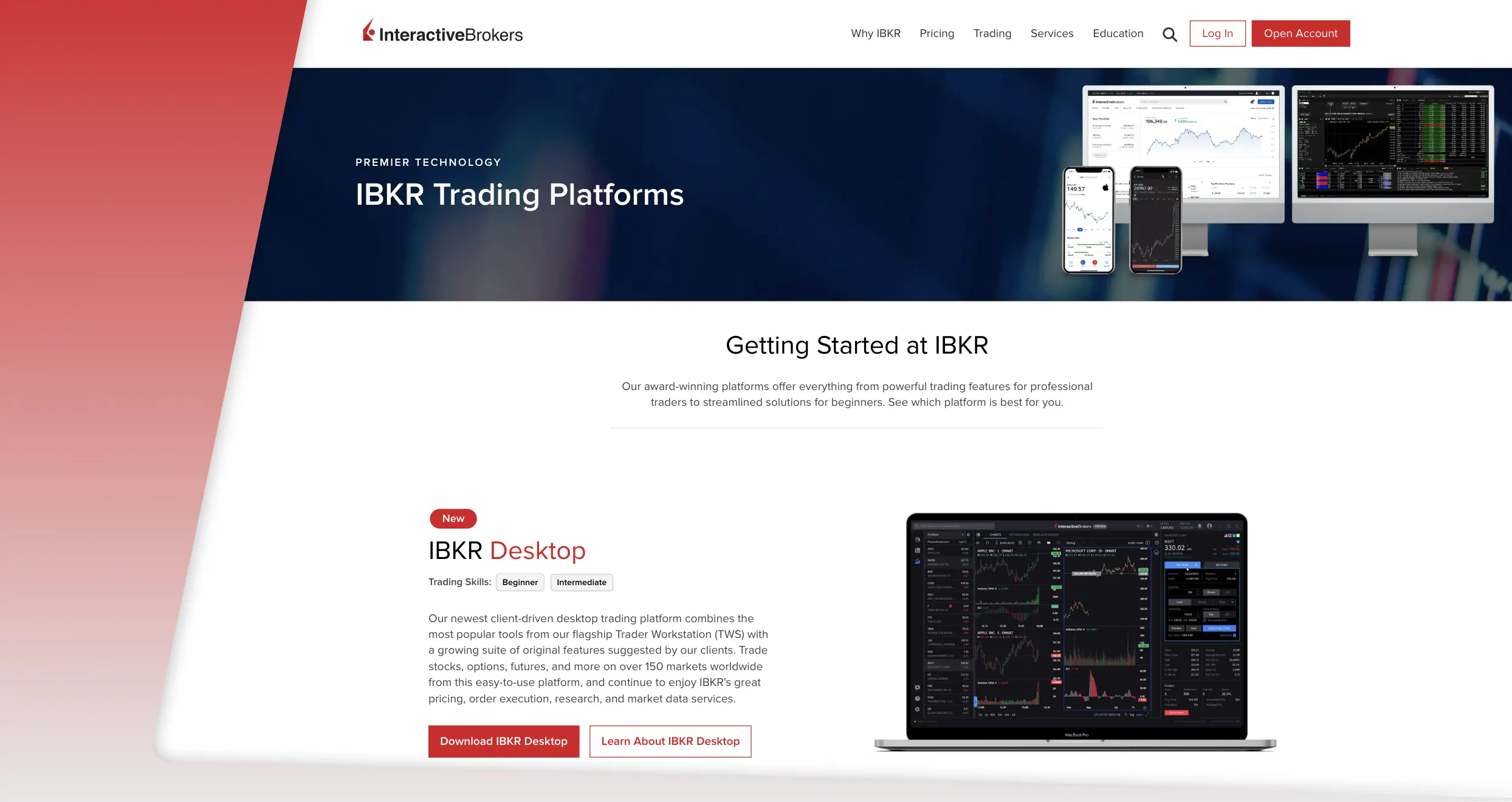

Interactive Brokers is often preferred by seasoned traders and professionals. It offers some of the lowest trading costs on the market, direct access to the New York Stock Exchange, and advanced tools for managing foreign currency exposure. You can also hold balances in different currencies, which is useful if you intend to build a broader portfolio of US or global shares.

✔No minimum deposit requirement
✔Zero inactivity fees for individual trading accounts




Pros
- Very low trading commissions.
- Direct market access to US and international exchanges.
- Advanced research, charting, and risk-control tools.
- Multi-currency accounts with competitive exchange rates.
Cons
- The platform is complex for beginners.
- Inactivity charges may apply to smaller accounts.
- Account setup and customer support are less straightforward than those of retail-focused brokers.
Numerous factors, including the £0 Interactive Brokers minimum deposit UK requirement, made our exploration easier and more enjoyable. This trading platform allows users to trade and invest with whatever they can afford, making it ideal even for traders and investors working with a restricted budget.
We were also wowed by the friendly Interactive Brokers fees UK policies. For starters, this company offers free deposits to people who use supported payment methods, including bank transfers. Only people who use physical currency deposits are subjected to a 1% special handling fee. Moreover, this service provider has zero inactivity fees and commissions as low as £0.0005 for stocks and ETFs.
2. eToro

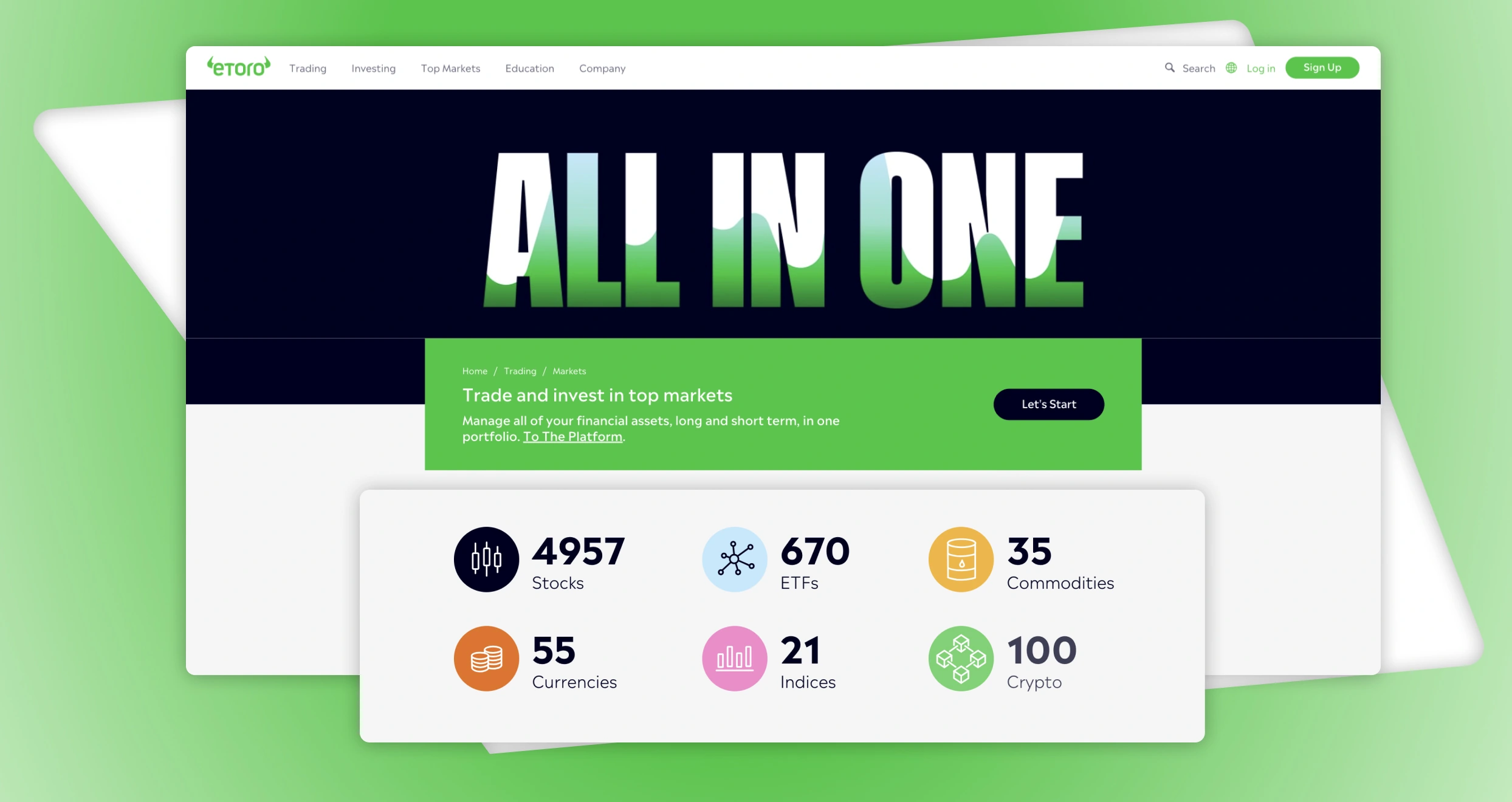
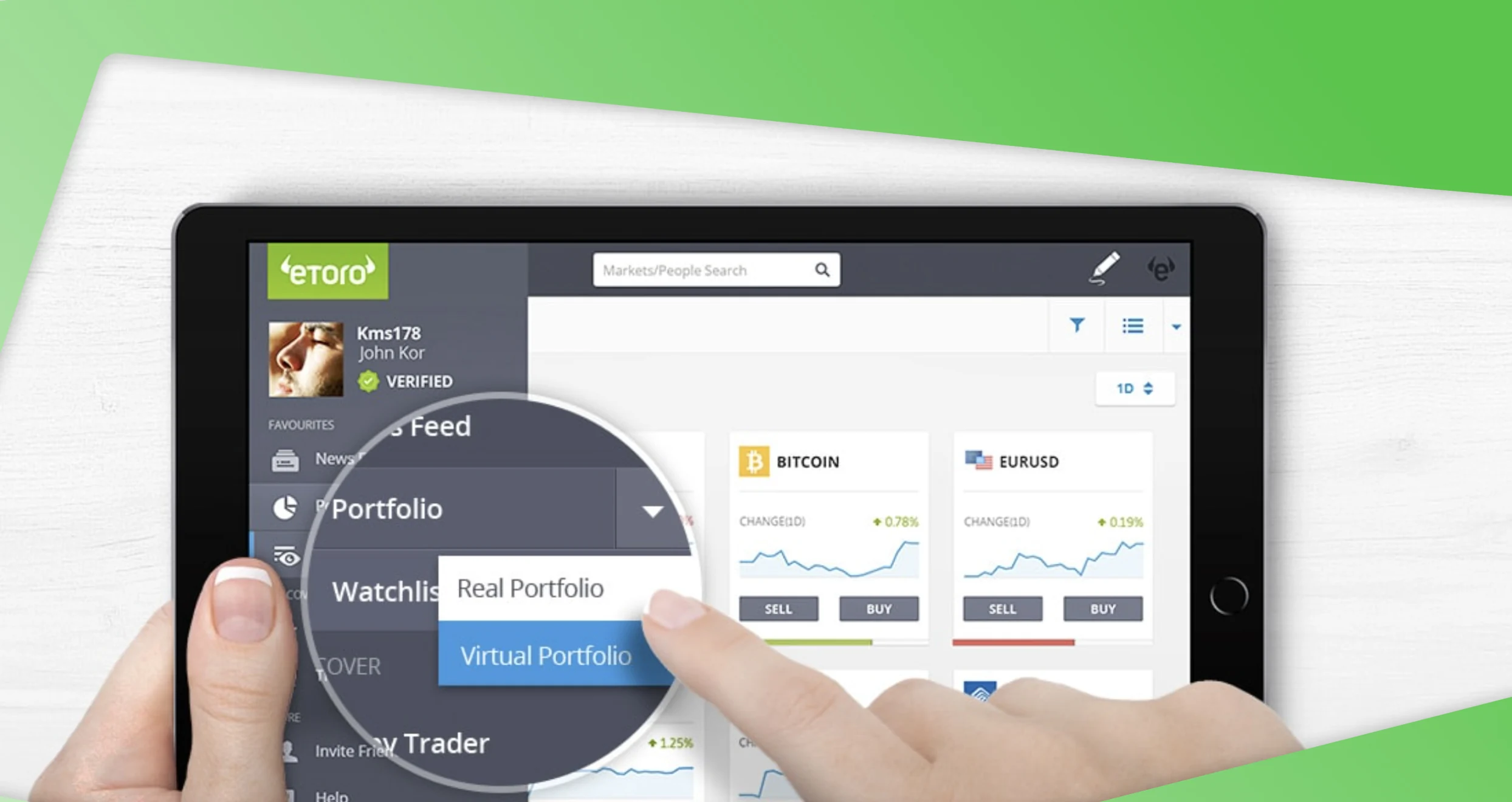

eToro is designed for accessibility and simplicity. UK investors can buy US-listed shares without paying commission, and the option to purchase fractional shares means you can start with small amounts. A distinctive feature is its social trading community, where you can follow or copy the strategies of other traders. The platform does not provide ISA or SIPP accounts, but it remains popular with beginners looking for a simple route into Coca-Cola.

✔5000+ financial instruments
✔Cost-free deposits
Pros
- Commission-free trading on US shares.
- Fractional investing from as little as £10.
- Easy-to-use mobile and web platform.
- Social trading features that let you copy other investors.
- A broad choice of assets, including ETFs and cryptocurrencies.
Cons
- Currency conversion fees can add up.
- No ISA or SIPP options for UK investors.
- Research and education tools are limited compared with traditional brokers.
- Customer service can be slow during busy periods.
If there’s anything that can eat away at your profit margins, it’s unnecessary costs. Thankfully, eToro fees UK are reasonable and pocket-friendly. We acquired a new account without paying a single cent, which was quite a relief. We also noticed that you can enjoy free deposits by using USD. That said, eToro supports many other currencies, including GBP, EUR, and RMB.
You will incur conversion fees if you use any currency other than USD. And if you use any currency that eToro doesn’t support, you must pay conversion fees to your payment provider. The exact conversion fees you may incur at any moment will depend on various factors, including your preferred currency and payment method.
Please note that eToro subjects each withdrawal request to a £5 fee. The platform uses this money to pay expenses arising from international money transfers. Most importantly, you can’t withdraw less than £30 from the eToro trading platform.
While depositing money into our account, we noticed that eToro has strict minimum deposit requirements. Britons using this platform have to deposit at least £100 the first time. Afterwards, you can fund your account with as little as £10, depending on your preferred payment method.
Commission-wise, eToro is very friendly to people who trade ETFs or invest in real stocks since the broker charges 0% for these assets. On the other hand, if you buy or sell crypto on this platform, expect to pay a 1% fee. CFD trading also attracts variable spreads depending on the involved instruments. For instance, the spreads for currencies and commodities start from 1 pip and 2 pips, respectively.
Not to forget, eToro charges a £10 monthly inactivity fee that kicks in after 12 months of dormancy.
3. XTB
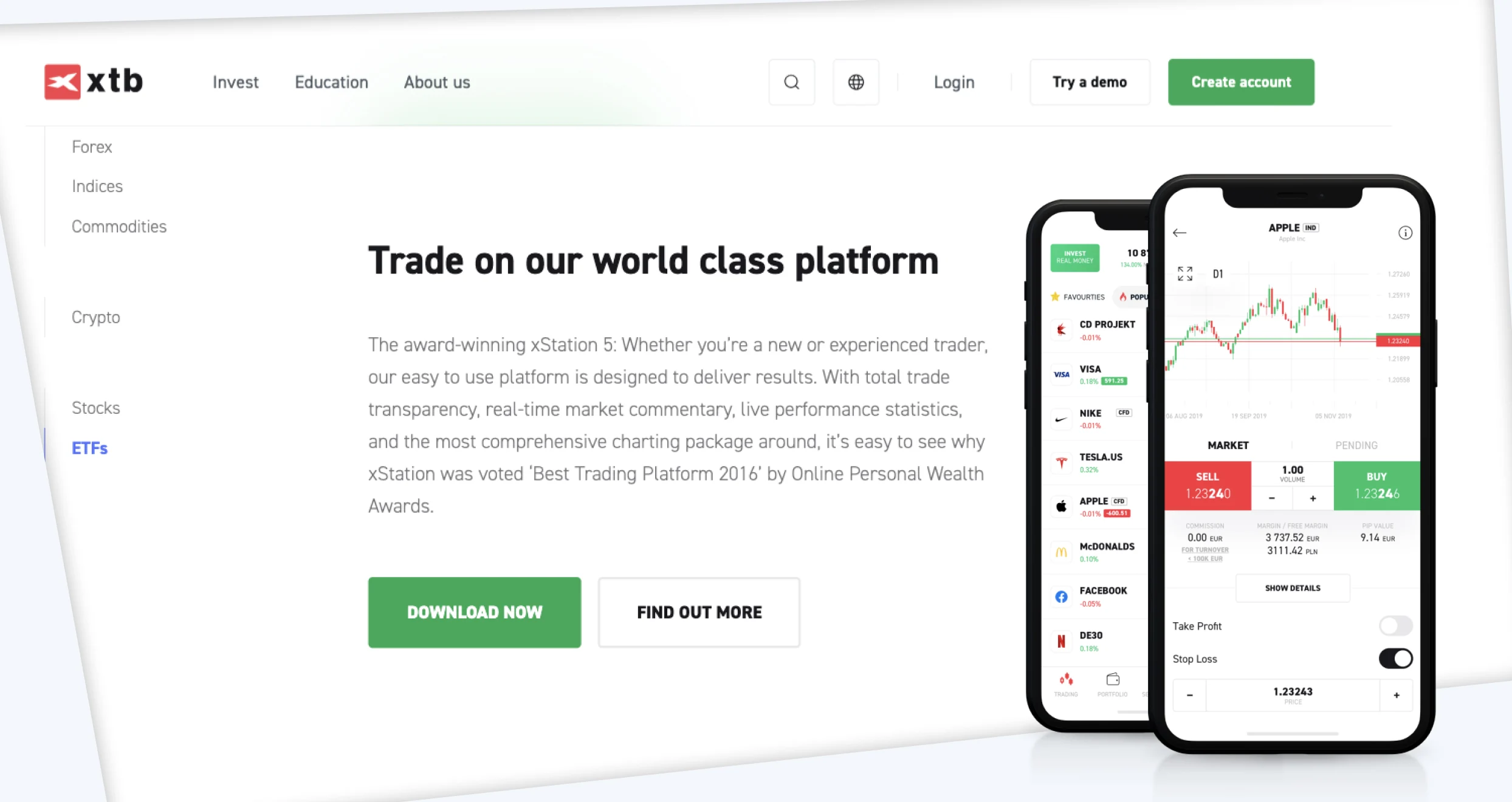
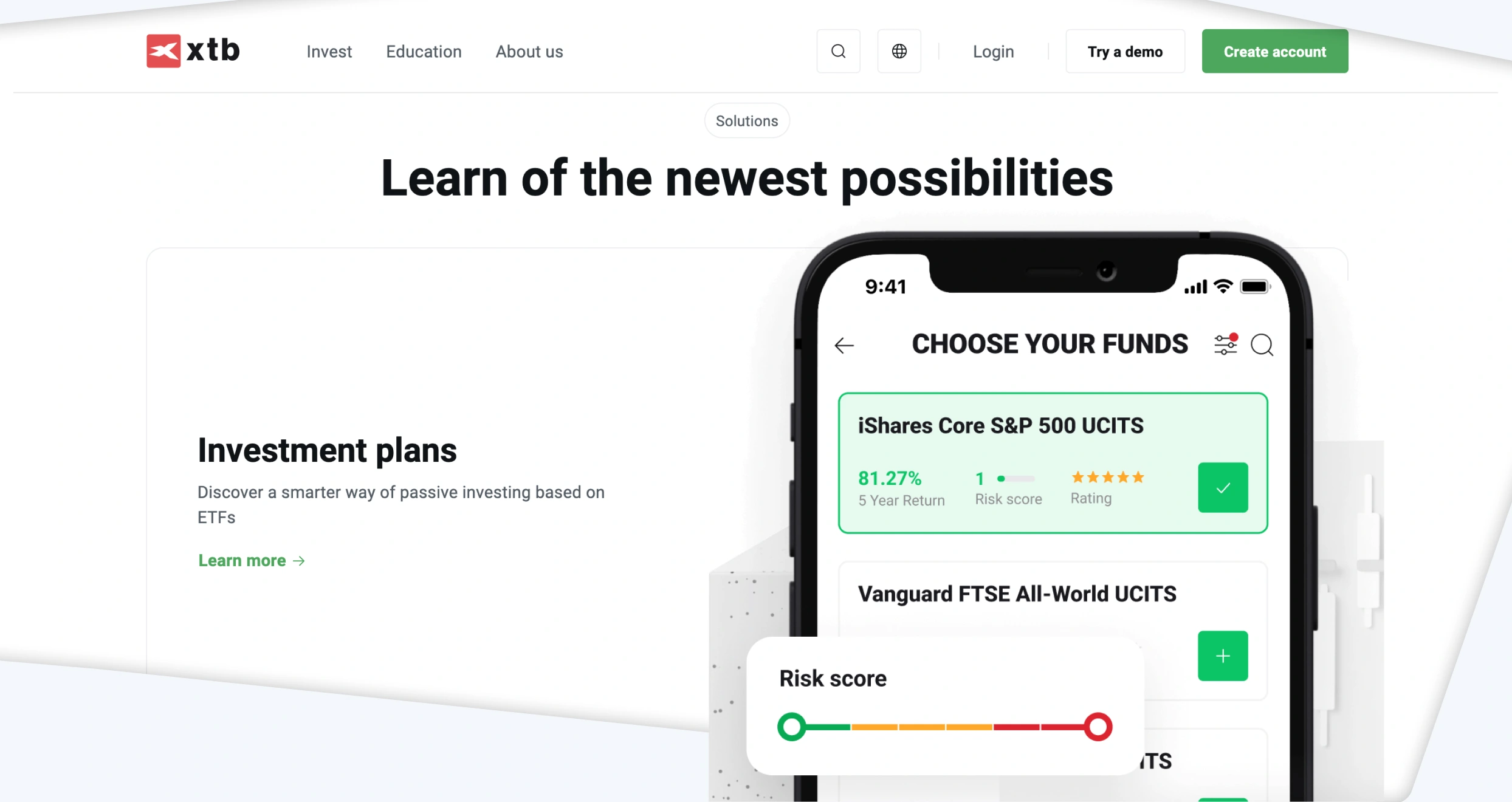
XTB is another beginner-friendly option, offering commission-free access to many US stocks under UK regulation. The platform is straightforward, with no account management charges, and comes with educational resources to help new investors. It appeals to those who want a cost-effective and uncomplicated way to add Coca-Cola shares to their portfolio.
✔5,700+ financial instruments
✔No minimum deposit requirement
Pros
- Commission-free trading on US companies.
- Clear and simple trading interface.
- No account management or inactivity fees.
- Good educational materials, including webinars and courses.
- Reliable mobile app with smooth order execution.
Cons
- No access to ISA or SIPP accounts.
- Research and analysis tools are less extensive than those of larger rivals.
- Narrower product range compared with Interactive Brokers or eToro.
- Currency exchange costs apply when trading U.S.-listed shares.
XTB is a cost-effective trading platform. We used a live account to assess its fees and commissions. The first applaudable aspect we noticed is setting up an account with this broker is quick and easy. Furthermore, there’s no set XTB minimum deposit requirement, and the platform supports free transactions. When it comes to withdrawals, transactions above £50 are free.
That aside, we noticed various mandates on the XTB UK trading platform during our exploration. For starters, this entity has a £10 minimum order requirement for shares from companies like the Associated British Food PLC. Additionally, it requires users to cover a 0.5% conversion fee while trading with anything besides the base currency.
Not to forget, XTB charges different spreads for different instruments and requires traders who hold open positions to cover swap costs.
When comparing brokers, look beyond the headline fees. Consider whether the platform offers tax-efficient accounts, such as ISAs or SIPPs, how it handles foreign exchange, the range of available investments, and whether its tools align with your investing style.
Coca-Cola Share Price UK
Coca-Cola shares are priced in US dollars, but UK investors view them in pounds. This means that performance depends on both how the stock trades in New York and the sterling–dollar exchange rate.
Key drivers of the price include:
- Earnings reports: Quarterly results set expectations for sales, profits, and dividends.
- Consumer trends: Shifts toward bottled water, low-sugar, or energy drinks affect growth.
- Economic cycles: As a consumer staple, Coca-Cola often proves more resilient than travel or luxury sectors.
- Currency movements: A stronger pound reduces the value of US holdings, while a weaker pound increases it.
For UK investors, this explains why the price shown on local broker platforms may differ from US market figures.
Risks to Keep in Mind
Coca-Cola may feel like a safe choice, but the company still faces challenges:
- Shifting consumer habits: Rising demand for healthier products has the potential to erode sales of sugary soft drinks.
- Regulation: Sugar taxes and tighter health policies could squeeze margins in several markets.
- Competition: PepsiCo remains a fierce global rival, while smaller regional brands continue to compete on price and local tastes.
- Currency fluctuations: For UK investors, exchange rate fluctuations between sterling and the dollar can magnify gains or erode returns.
Recognising these risks helps investors place Coca-Cola in context: a resilient business, but not one immune to change.
Tax and Account Options in the UK
The type of account you use has a direct impact on the returns from Coca-Cola shares. British investors typically choose between three routes:
- General investment accounts: Flexible and easy to set up, but gains and dividends are taxable once annual allowances are exceeded.
- Stocks and Shares ISAs: Up to £20,000 can be invested each tax year (2025/26) with all gains and income sheltered from UK tax. Most providers include access to US shares.
- Self-Invested Personal Pensions (SIPPs): Offer tax relief on contributions, although funds are locked away until retirement.
Dividends from US stocks are normally subject to a 30 per cent withholding tax. By completing a W-8BEN form with your broker, UK investors can reduce this to 15%. This deduction applies even in ISAs or SIPPs, with no additional UK tax.
FAQs
Fractional investing on many UK platforms means you can start with as little as £10. This makes it easy to gain exposure without committing a large amount upfront.
Yes. Dividends from US companies are subject to a withholding tax of 30 per cent, which can be reduced to 15 per cent by completing a W-8BEN form through your broker. Any further liability depends on whether you hold the shares in a general account, ISA, or SIPP.
Coca-Cola is more often held for its steady growth and dividends than for rapid price swings. Short-term traders usually look to more volatile sectors, while Coca-Cola appeals to those with a longer horizon.
Yes. Most FCA-regulated brokers offering ISAs provide access to US stocks, including Coca-Cola. Holding them in an ISA protects you from UK capital gains and dividend tax, although US withholding tax still applies.
Final Thoughts
Buying Coca-Cola shares is more than a chance to own part of a global brand. For UK investors, it offers a practical route into the US markets, where currency shifts, tax rules, and portfolio balance all come into play. Coca-Cola’s history of resilience and dividend payments makes it an appealing investment. Still, the fundamentals remain the same as with any share: be clear on your reasons for investing, weigh the risks, and use the right account structure.
With that approach, Coca-Cola can serve both as a dependable holding and a useful first step into international investing.