
 Fact checked


We may receive compensation from our partners for placement of their products or services, which helps to maintain our site. We may also receive compensation if you click on certain links posted on our site. While compensation arrangements may affect the order, position or placement of product information, it doesn’t influence our assessment of those products.
EasyJet is a household name for UK travellers and one of Europe’s largest low-cost airlines. Its share price often mirrors the wider forces shaping the economy, from oil markets to consumer demand for holidays. For beginners, following the EasyJet share price UK provides a practical way to see how company performance and external events feed directly into the stock market.
This guide outlines how to transition from watching the numbers to taking your first steps in buying EasyJet stocks. This is, with a focus on brokers, market access, and the factors that drive the live EasyJet share price.
What Is EasyJet and Why Do Investors Watch It?
EasyJet (ticker: EZJ) is listed on the London Stock Exchange, making it easily accessible to UK investors. The airline runs an extensive network across Europe and competes with rivals such as Ryanair, Wizz Air, and British Airways. Its position as one of the largest low-cost carriers means the stock often attracts attention from both retail and institutional investors.
The EasyJet share price responds to a wide set of factors:
- Fuel costs: Sil is a major expense, and sudden price rises can quickly erode profits.
- Passenger demand: Bookings rise in peak holiday seasons and fall during downturns, which feeds directly into earnings.
- Currency movements: A weaker pound makes fuel, aircraft leasing, and overseas operations more expensive, as many are priced in US dollars.
- Industry shocks: Strikes, new aviation taxes, security events, and health crises can hit revenues and confidence overnight.
- Economic backdrop: When household budgets are under pressure from inflation or higher interest rates, discretionary spending on travel tends to decline.
These drivers create volatility, which explains why investors often debate whether EasyJet shares are a buy, a hold, or a sell at any given time. For beginners, tracking the stock is also a way to learn how global events and company fundamentals combine to move a share price.
How to Buy Shares in EasyJet Step by Step
Buying EasyJet shares is straightforward if you follow a clear process:
Select an FCA-authorised broker that gives you access to the London Stock Exchange (LSE), where EasyJet is listed. Compare account fees, trading tools, and ease of use before opening an account to ensure you make an informed decision.
To comply with UK regulations, brokers require you to verify your identity and address. You will usually need to upload a photo of your passport or driving licence and a recent utility bill or bank statement. The process is often completed online in minutes, although some brokers may take up to 24 hours to approve your account. Once verified, you gain full access to the platform’s features.
Deposit money via bank transfer, debit card, or e-wallet. Many brokers allow small starting amounts (often £50–£100) and offer instant deposits so you can begin trading quickly.
Search for “EasyJet” or the ticker EZJ. The platform will display the live EasyJet share price, chart, and trading options.
Think carefully about how much you want to invest. You can buy whole shares, but many brokers also allow fractional investing, meaning you can own a portion of a share if you don’t want to spend the full amount. Beginners often start small and increase their position over time as they become more confident.
Pick a market order to buy at the current EasyJet share price, or a limit order to set the maximum you’re willing to pay. Limit orders give more control in fast-moving markets.
Once your order is filled, the shares will appear in your portfolio. From here, keep an eye on the EasyJet share price today and over time. You can use watchlists, alerts, and company news updates provided by your broker. Monitoring your investment helps you decide whether to hold, buy more, or sell, depending on your strategy.
Best Brokers for Buying EasyJet Shares in the UK
Finding the right stockbroker makes a difference when trading EasyJet shares. Fees, tools, and support can all shape your experience. Here are three trusted choices for UK investors:
1. Pepperstone


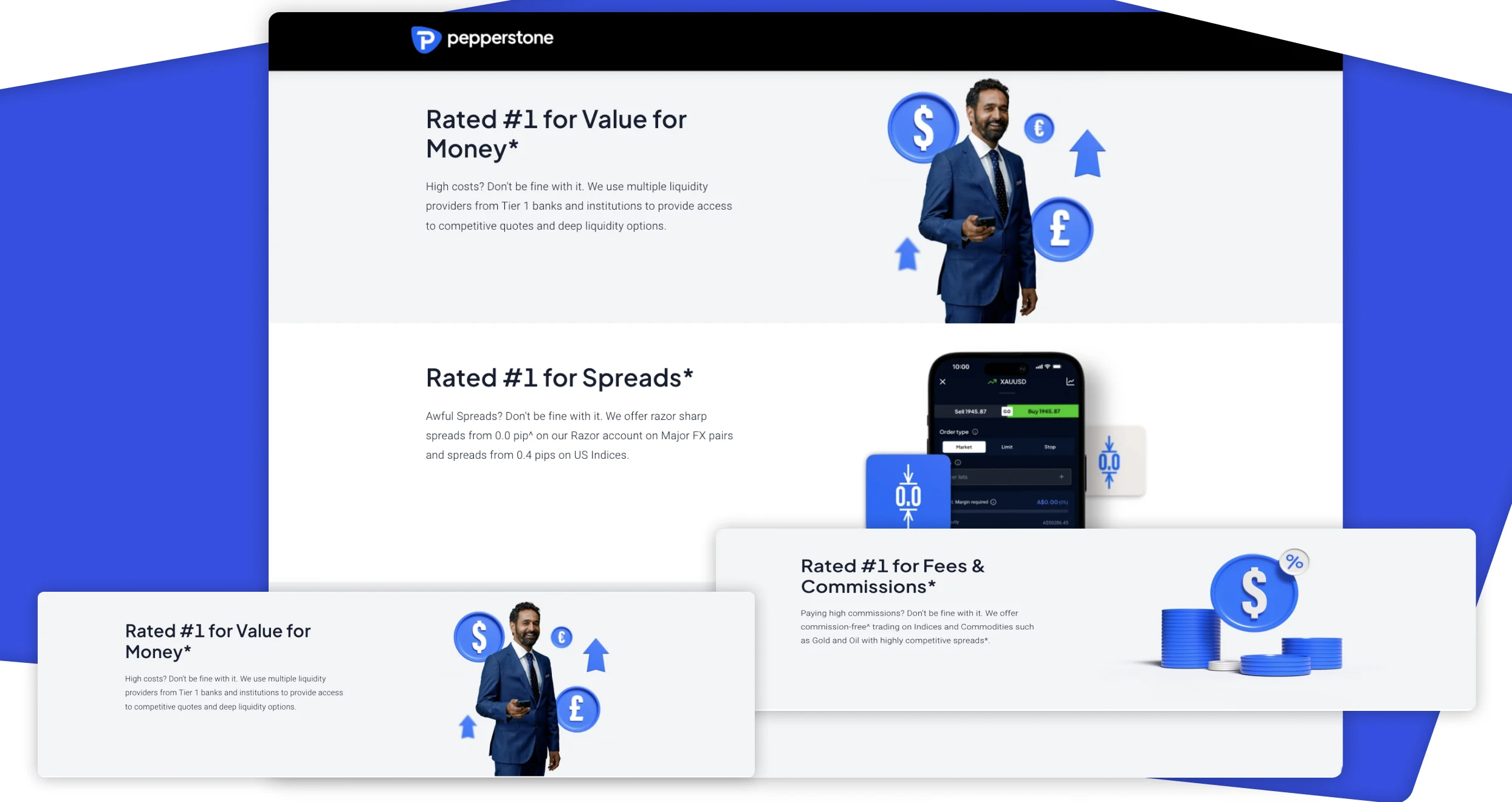
Pepperstone is an FCA-regulated broker known for fast execution and low-cost trading. It offers access to a wide range of markets, including shares, forex, indices, and commodities. The platform is well-suited for those who require reliable performance and advanced tools. Educational resources are solid, though more tailored to active traders than complete beginners.

✔24/7 customer support
✔No inactivity fees



Pros
- Competitive spreads and low trading costs
- Strong platform choice, including MetaTrader and cTrader
- Fast execution speeds
Cons
- Limited beginner-focused features
- No share dealing for long-term investing, mainly CFDs
After evaluating Pepperstone, we opened a trading account for conducting extensive tests. The process was quick and easy.
But what impressed us most was the Pepperstone minimum deposit requirement. This platform has no minimum deposit, which makes it ideal for low-budget and high-budget traders. If you are a beginner, joining this broker is advisable since you can start with a low amount and increase your stakes with time. To top it off, Pepperstone supports free deposits and withdrawals. This broker allows you to use diverse payment methods for free, from Visa debit and credit cards to PayPal and domestic bank transfers.
When it comes to spreads and commissions, Pepperstone is very cost-friendly. You can open a Razor account with this broker and enjoy 20 commission-free trades. Pepperstone’s Standard accounts also have zero commissions. On the other hand, spreads start from as low as 0.0 pips for forex pairs like EUR/USD and 0.5 for commodities like XAUUSD.
Finally, unlike most of its peers, Pepperstone charges zero inactivity fees. However, any positions you hold overnight with this platform are subject to swap rates. Visit Pepperstone’s pricing page for a detailed account of how this broker calculated swap rates for different financial instruments.
2. eToro

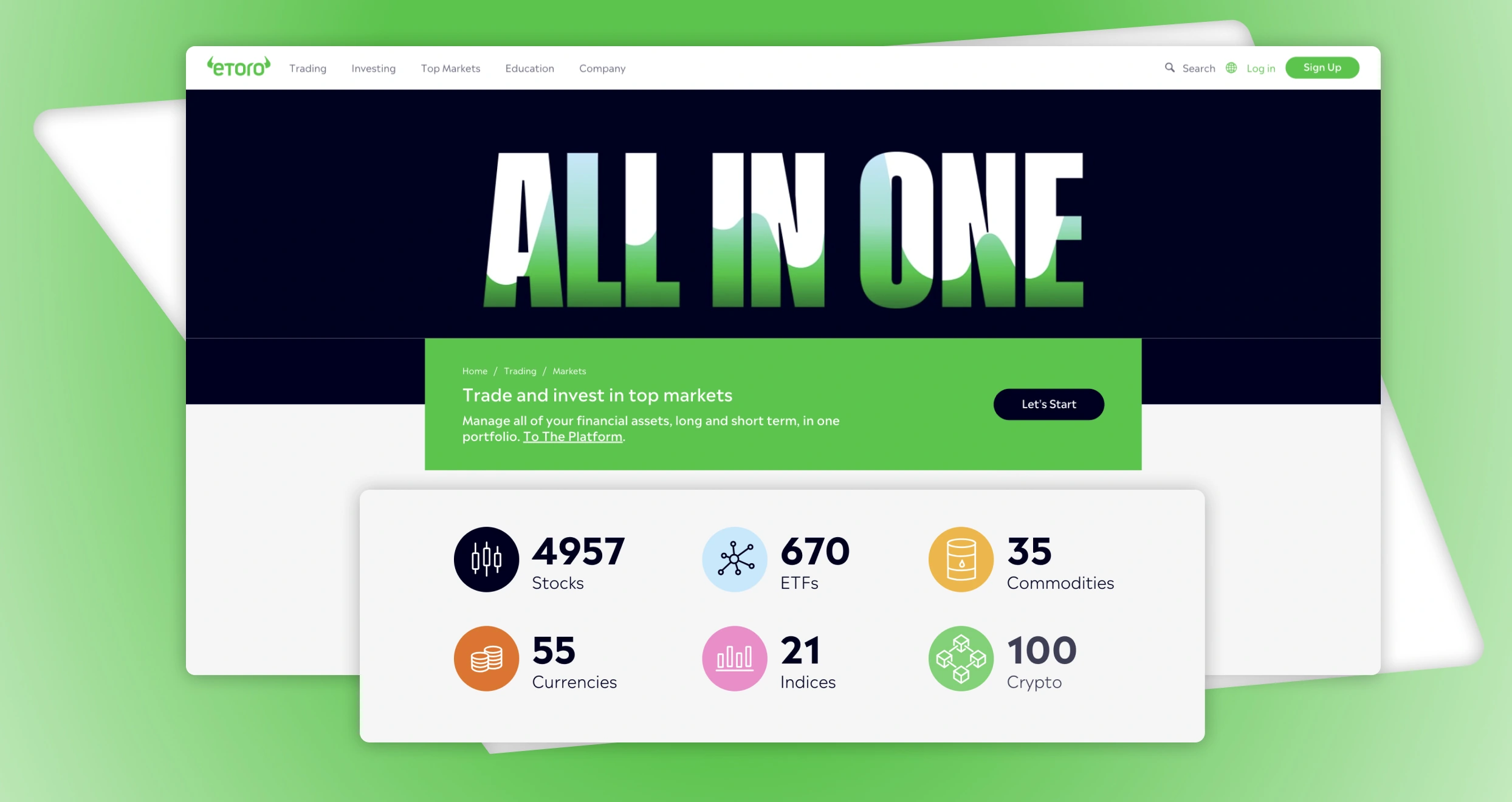
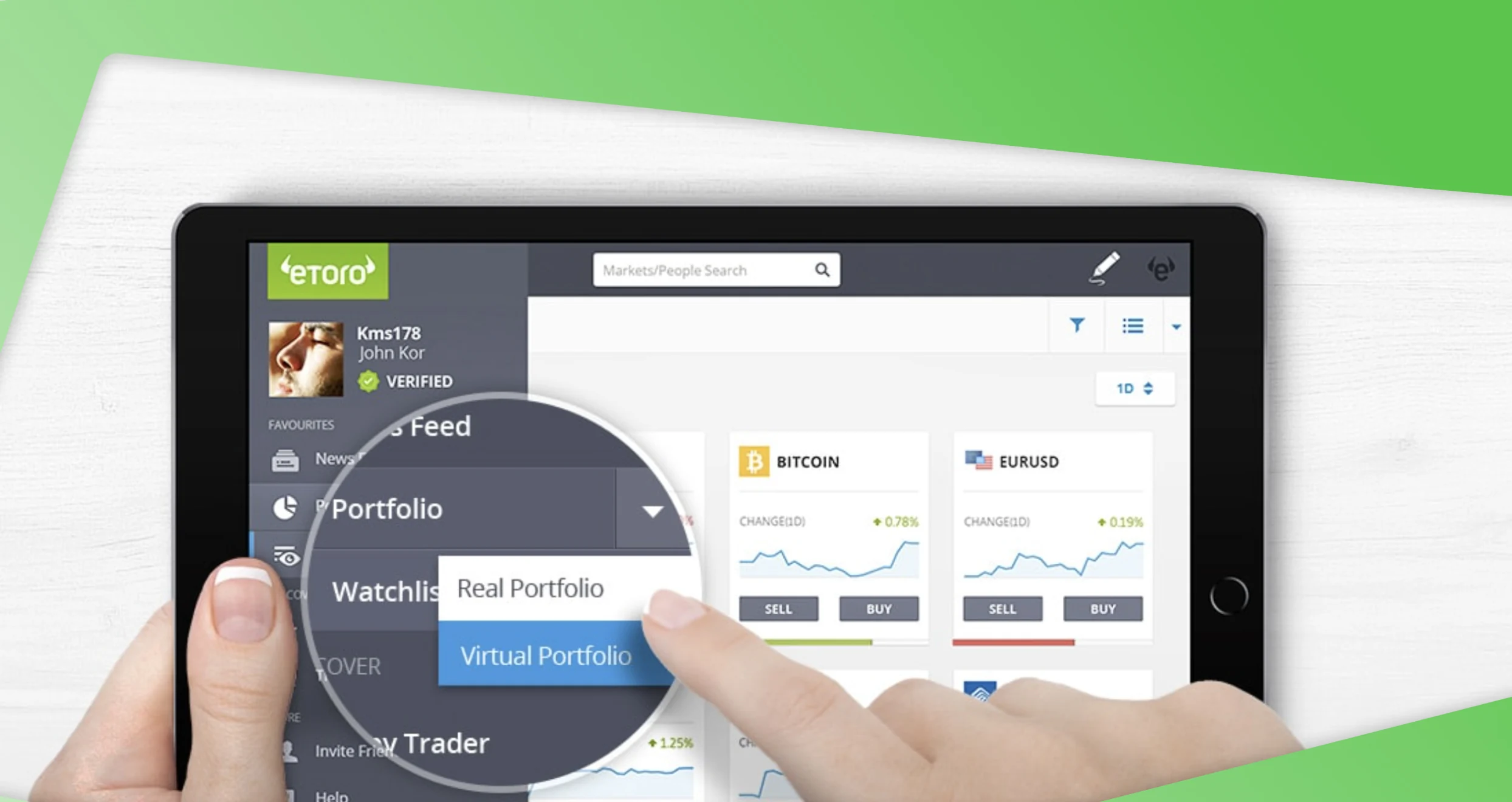

eToro is popular with beginners thanks to its user-friendly design and social trading features. Investors can replicate the trades of experienced users while monitoring assets, such as the EasyJet share price, in real time. The platform also supports a wide selection of shares, ETFs, and crypto. Its community aspect helps new investors learn quickly, but costs can be higher compared with specialist CFD brokers.

✔5000+ financial instruments
✔Cost-free deposits
Pros
- Social trading and copy features for learning
- Wide asset range, from shares to crypto
- Intuitive and beginner-friendly platform
Cons
- Spreads and fees can be higher than rivals
- Less suitable for advanced technical analysis
If there’s anything that can eat away at your profit margins, it’s unnecessary costs. Thankfully, eToro fees UK are reasonable and pocket-friendly. We acquired a new account without paying a single cent, which was quite a relief. We also noticed that you can enjoy free deposits by using USD. That said, eToro supports many other currencies, including GBP, EUR, and RMB.
You will incur conversion fees if you use any currency other than USD. And if you use any currency that eToro doesn’t support, you must pay conversion fees to your payment provider. The exact conversion fees you may incur at any moment will depend on various factors, including your preferred currency and payment method.
Please note that eToro subjects each withdrawal request to a £5 fee. The platform uses this money to pay expenses arising from international money transfers. Most importantly, you can’t withdraw less than £30 from the eToro trading platform.
While depositing money into our account, we noticed that eToro has strict minimum deposit requirements. Britons using this platform have to deposit at least £100 the first time. Afterwards, you can fund your account with as little as £10, depending on your preferred payment method.
Commission-wise, eToro is very friendly to people who trade ETFs or invest in real stocks since the broker charges 0% for these assets. On the other hand, if you buy or sell crypto on this platform, expect to pay a 1% fee. CFD trading also attracts variable spreads depending on the involved instruments. For instance, the spreads for currencies and commodities start from 1 pip and 2 pips, respectively.
Not to forget, eToro charges a £10 monthly inactivity fee that kicks in after 12 months of dormancy.
3. IG Markets
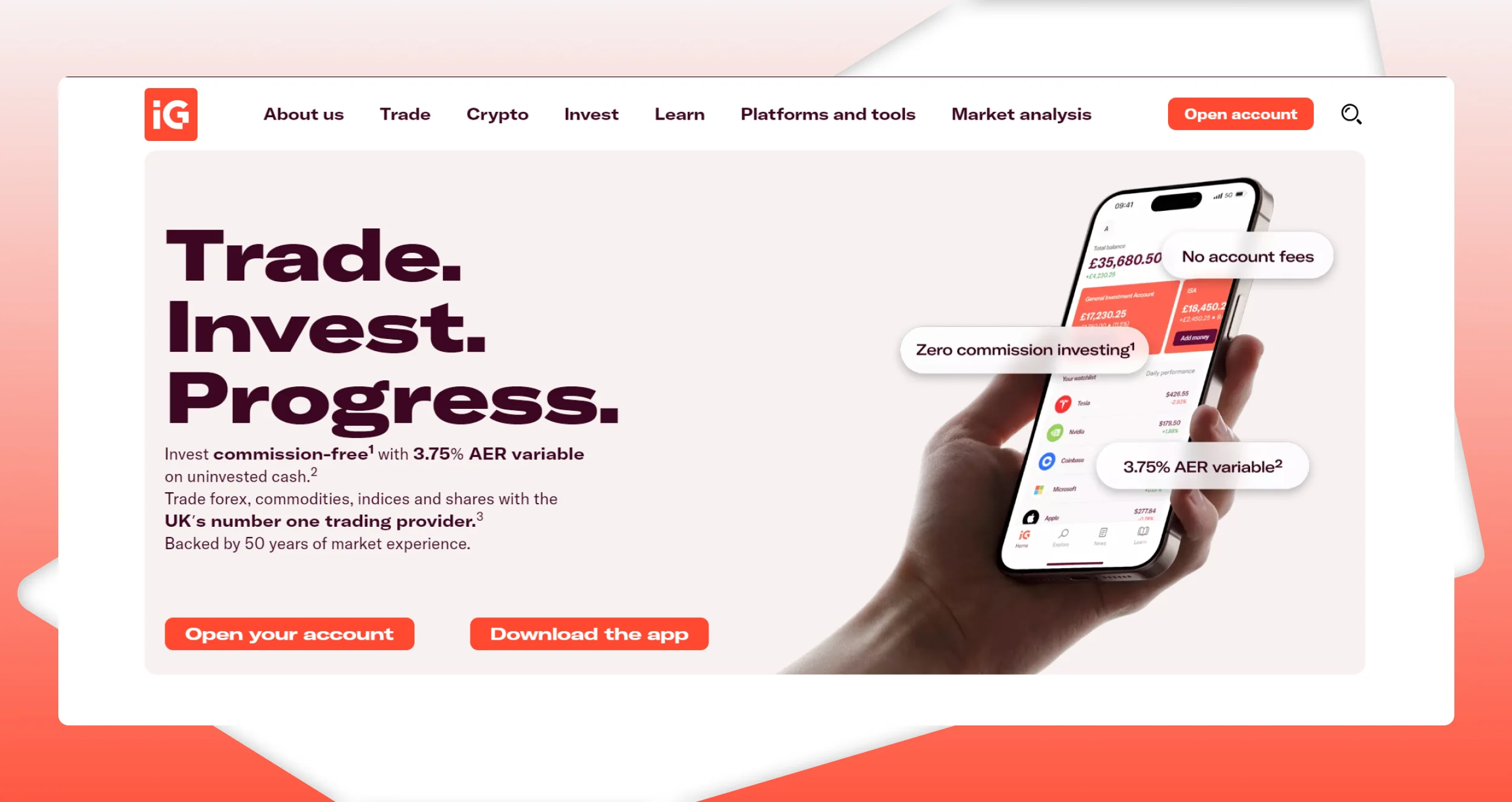
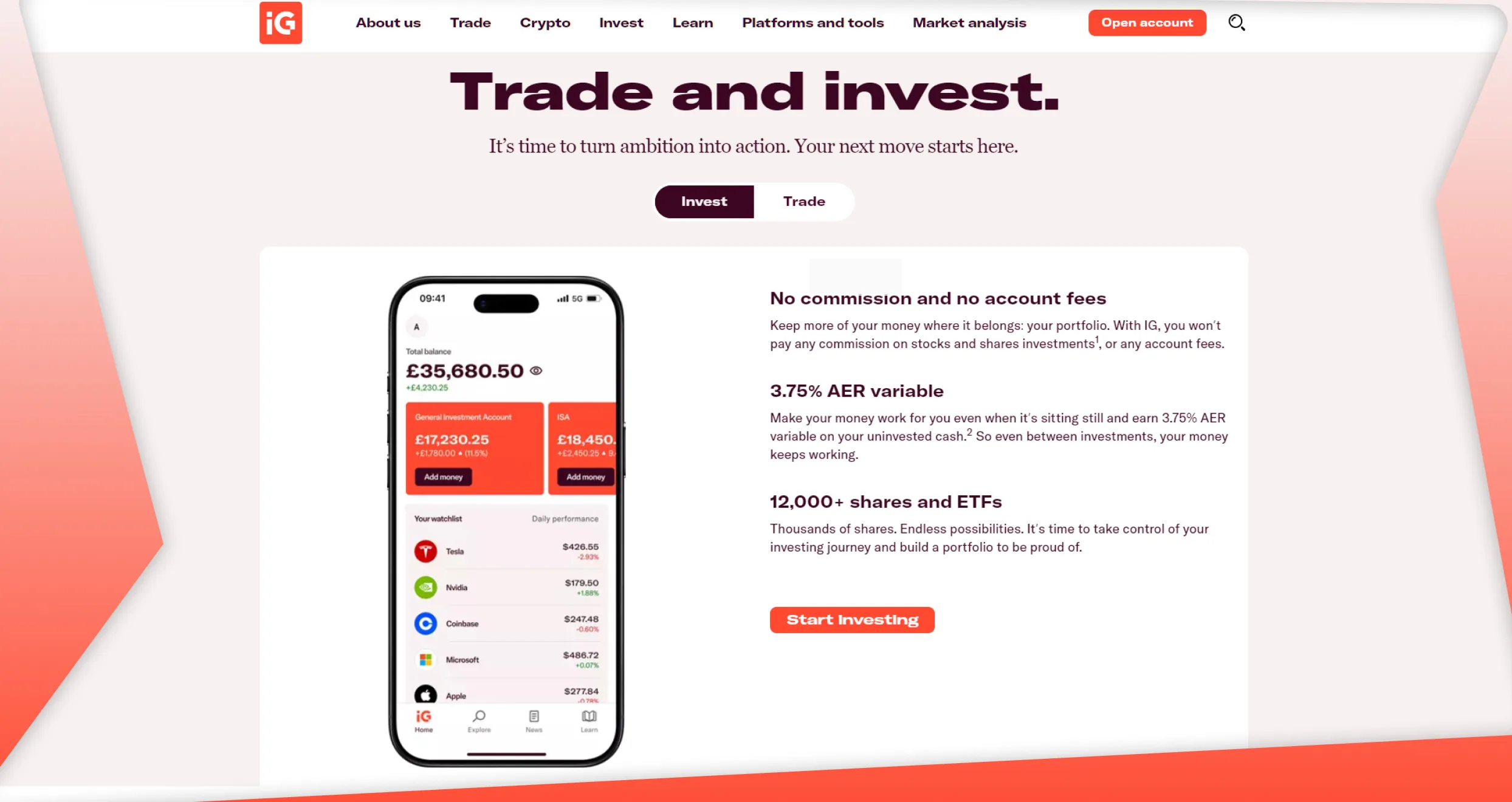
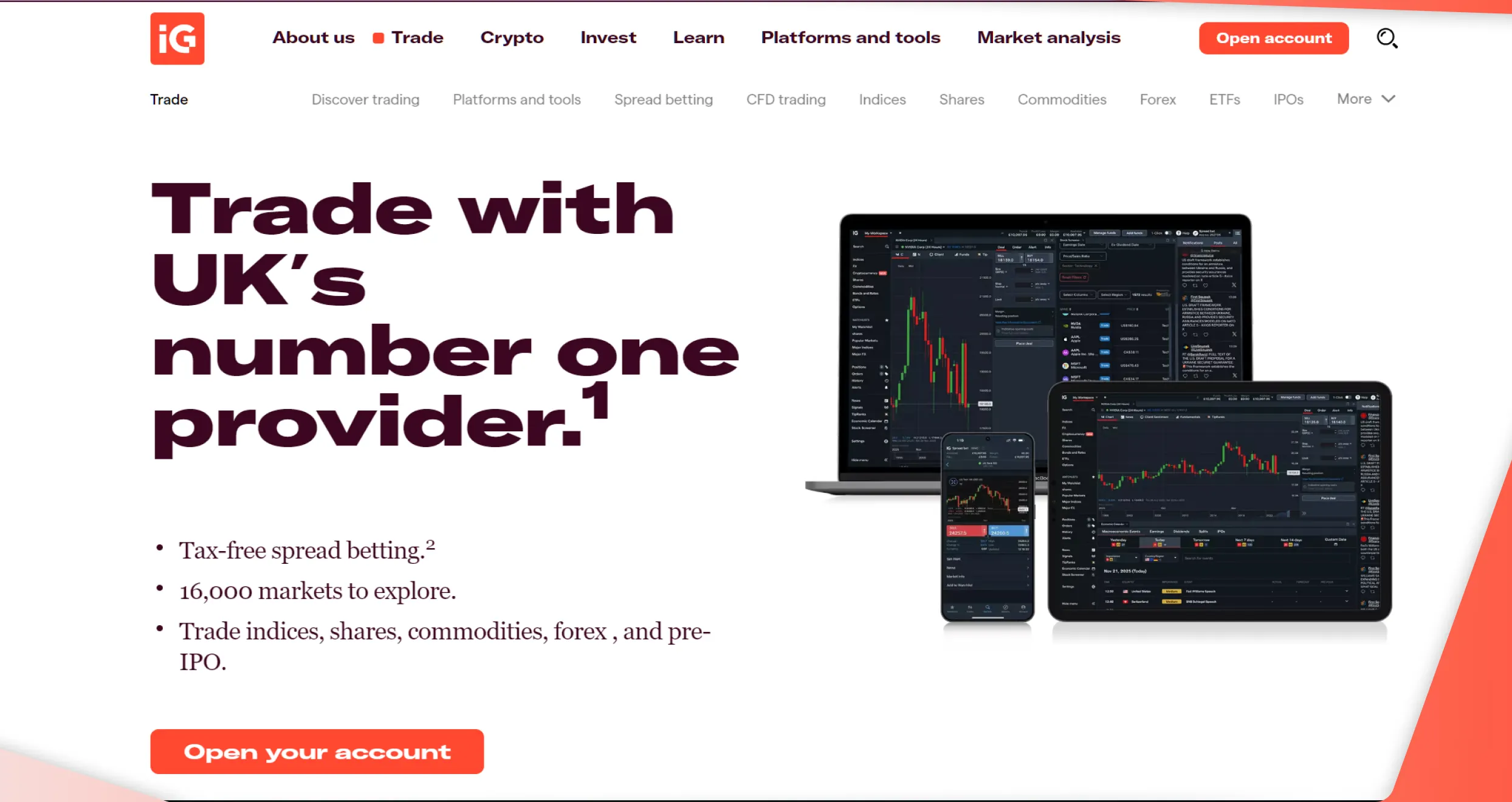
IG Markets is one of the UK’s oldest and most established brokers. It provides access to thousands of shares, including EasyJet, along with forex, indices, and commodities. The platform is known for detailed research, advanced charts, and strong education tools. Beginners can benefit from the resources, while experienced investors gain access to professional-grade execution. The best part is that it has no minimum deposit requirement for UK clients, making it easier for investors to get started.

✔Zero minimum deposit requirements
✔17,000+ available products
Pros
- Huge range of markets and products
- Excellent research and education tools
- Trusted UK brand with strong regulation
Cons
- Support service response rate can be improved
- Fees may be complex for new traders
Opening an IG Markets account doesn’t cost a dime. Moreover, this broker has no minimum deposit, so you don’t have to worry about compromising your budget. You can also enjoy significant savings by trading with IG Markets since it offers tight spreads, starting from 0.1 points on commodities and 0.6 points on popular currency pairs.
With that in mind, IG Markets charges overnight funding for cash CFD positions and daily funded bets (DFBs) that remain open past 10 pm UK time. The broker also requires traders to cover a small guaranteed stop fee. The fee kicks in every time the guaranteed stop feature is triggered. You should also expect to incur additional when shorting stocks and augmenting your trading experiences with premium services like live data streams.
Luckily, deposits and withdrawals are free on IG Markets. The broker only requires traders to pay a 0.5% standard currency conversion fee. Furthermore, the platform has zero inactivity fees, though your account will be terminated if it remains dormant for 24 consecutive months.
What Affects the EasyJet Share Price?
The EasyJet share price fluctuates daily, influenced by the company’s performance and broader market events. Key factors include:
- Passenger numbers: Strong bookings, especially in summer, boost confidence, while weak demand in off-seasons can drag the price down.
- Fuel costs and hedging: Jet fuel is a major expense. EasyJet hedges to reduce volatility, but sharp oil spikes still hit margins.
- Regulation and taxes: Airport slot rules, carbon taxes, or stricter emissions targets add costs and pressure profits.
- Competition: Rivals like Ryanair or Wizz Air expanding routes or cutting fares can reduce EasyJet’s pricing power.
- Currency swings: A weaker pound raises costs for fuel, leasing, and overseas operations, many of which are priced in dollars.
- Economic backdrop: Confidence, interest rates, and household budgets drive demand. Growth periods lift bookings, while recessions cut them.
Because of these influences, analysts publish EasyJet share forecasts to weigh risks against potential growth. These are not guarantees but indicators of how professionals view the stock at a given time.
Are EasyJet Shares a Good Buy for Beginners?
Airline stocks can move sharply, which makes them riskier than more stable sectors. EasyJet’s advantage is brand recognition and strong market presence, which many beginners find reassuring compared with smaller carriers.
Whether it is a good buy depends on your own risk tolerance and investment horizon. If you hold EasyJet as part of a broader, diversified portfolio, the risks are easier to manage than if you focus on airlines alone.
Tax Considerations When Buying EasyJet Shares
UK investors can hold EasyJet shares in a Stocks and Shares ISA or a SIPP. Both accounts allow gains to grow free from Capital Gains Tax and income tax, making them popular with long-term investors.
If shares are held outside these accounts, profits above the annual CGT allowance may be taxed. Dividends, if paid, count towards your dividend allowance, and anything above that limit is taxable at your rate.
It is also worth noting that frequent short-term trading of EasyJet shares can increase your tax exposure compared with holding them in a tax-efficient wrapper. Keeping records of purchases and sales is essential for accurate reporting.
As allowances change over time, always check the latest HMRC thresholds before investing.
FAQs
The live EasyJet share price is listed on the London Stock Exchange during trading hours. It changes throughout the day as investors buy and sell.
Yes. Most UK brokers let you hold EasyJet shares in a Stocks and Shares ISA, which protects gains from Capital Gains Tax. Many long-term investors prefer this route.
They are more volatile than defensive sectors such as supermarkets or utilities. Travel demand rises and falls with the economy, so EasyJet’s earnings and share price can move sharply.
No. Many brokers allow small starting amounts, and some let you buy fractional shares. This makes it easier to begin with a limited budget.
Final Thoughts
Buying EasyJet shares links everyday life with the stock market. The company’s fortunes rise and fall with travel demand, oil prices, and wider economic shifts. For beginners, following the EasyJet share price UK is a practical way to see how global events affect individual companies.
Whether EasyJet becomes a long-term holding or a shorter-term trade, the key is to approach it with thorough research, a clear plan, and an awareness of the associated risks. This mindset gives new investors more than shares in an airline: it provides a deeper understanding of how investing works in practice.