
 Fact checked


We may receive compensation from our partners for placement of their products or services, which helps to maintain our site. We may also receive compensation if you click on certain links posted on our site. While compensation arrangements may affect the order, position or placement of product information, it doesn’t influence our assessment of those products.
MicroStrategy is a US software company that has become more widely known for its Bitcoin strategy than its enterprise tools. Since 2020, it has accumulated one of the largest corporate Bitcoin holdings in the world, transforming its stock into a proxy for cryptocurrency sentiment. For UK investors seeking exposure to digital assets without buying crypto directly, MicroStrategy offers a distinctive route through a regulated equity. But with that come risks tied to both tech markets and volatile crypto cycles.
Who Owns MicroStrategy?
Michael Saylor co-founded MicroStrategy in 1989 and still shapes its direction as Executive Chairman. After more than 30 years as CEO, he now drives the company’s Bitcoin-focused strategy and has overseen the purchase of over 100,000 BTC, making MicroStrategy one of the largest corporate holders of cryptocurrency.
The firm trades on the New York Stock Exchange under the ticker MSTR. Although its shares are public, Saylor retains control through Class B shares, which carry ten times the voting rights of Class A shares. Institutional investors such as Vanguard and BlackRock also hold stakes, but Saylor’s influence is still dominant.
MicroStrategy’s Market Role
MicroStrategy is no longer seen purely as a software firm, now the name is Strategy™. Its large Bitcoin holdings have turned it into one of the few listed companies whose valuation is closely tied to a digital asset.
Unlike peers such as Salesforce or Oracle, whose share prices follow product sales and earnings, MicroStrategy often moves with the crypto market. When Bitcoin rises, MSTR usually climbs; when it falls, the stock tends to follow regardless of software performance.
This makes MicroStrategy a rare way to gain crypto exposure through regulated equity, though the volatility linked to Bitcoin means it will not suit every portfolio.
What to Consider Before Buying MicroStrategy Shares
MicroStrategy is not a typical tech stock. Its strong link to Bitcoin gives it a unique profile that may attract some investors and deter others. Before adding MSTR to your portfolio, it’s worth weighing the potential benefits and risks.
Pros:
- Bitcoin exposure through a listed company: Access crypto-linked returns without owning Bitcoin directly.
- No need for crypto infrastructure: Avoid managing wallets, private keys, or crypto exchanges.
- Credible backing and leadership: The firm has institutional support and is led by a high-profile executive with a clear strategy.
Cons:
- Significant price swings: The share price often mirrors Bitcoin’s volatility.
- Centralised control: Michael Saylor holds enhanced voting rights, concentrating decision-making power.
- Regulatory risk: Crypto-related rules or accounting changes could affect the business directly.
If you already hold tech stocks or crypto, buying MSTR may increase your exposure to the same market forces. But for investors with a high risk tolerance and confidence in Bitcoin’s future, it could offer strong upside potential.
Best Brokers for Buying MicroStrategy from the UK
Selecting the right broker is an important step before investing in MicroStrategy. UK investors should look for a platform that provides access to US markets, transparent costs, and reliable trade execution. Below are three well-established options that stand out for different reasons.
1. Interactive Brokers (IBKR)

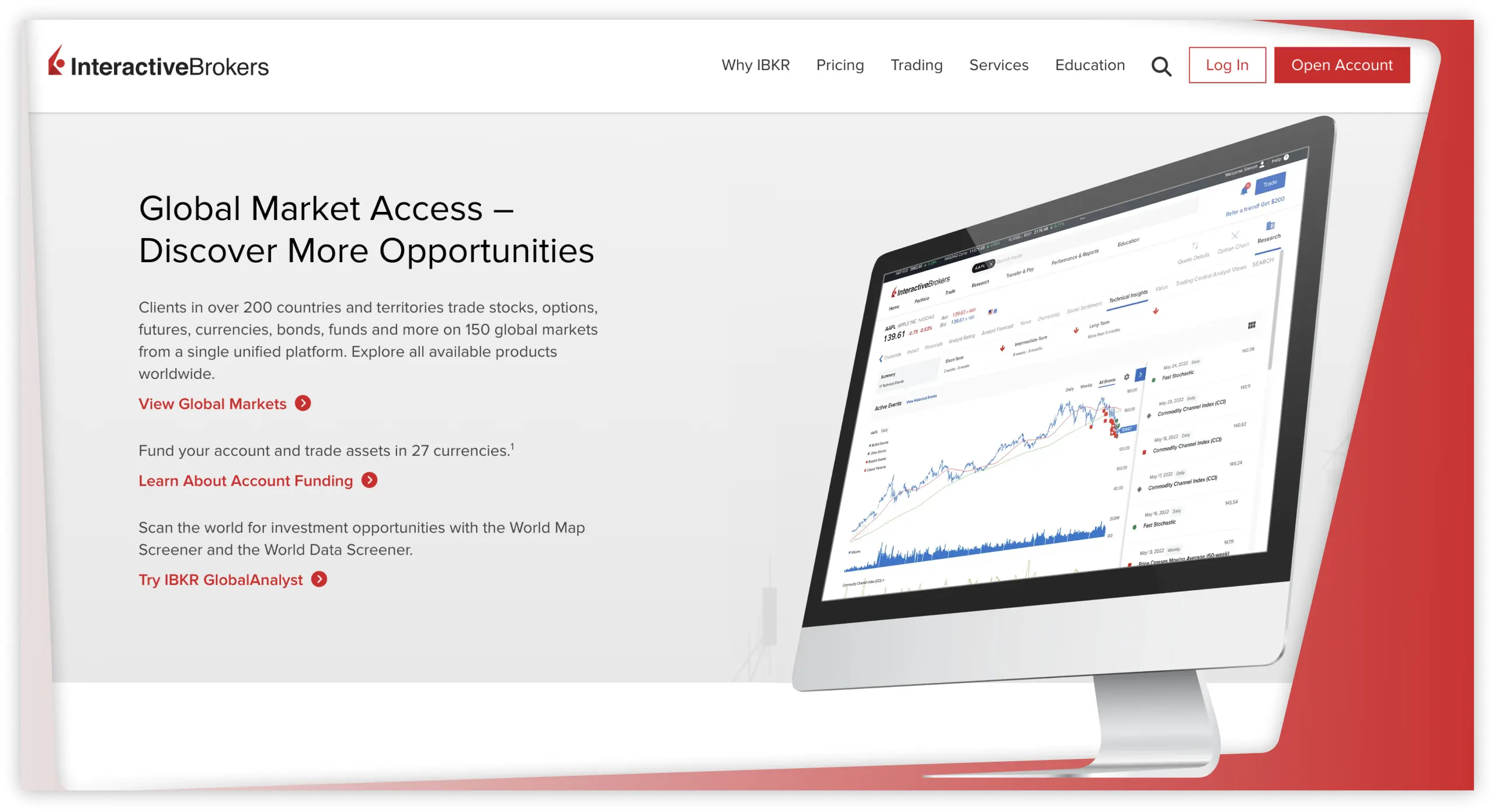
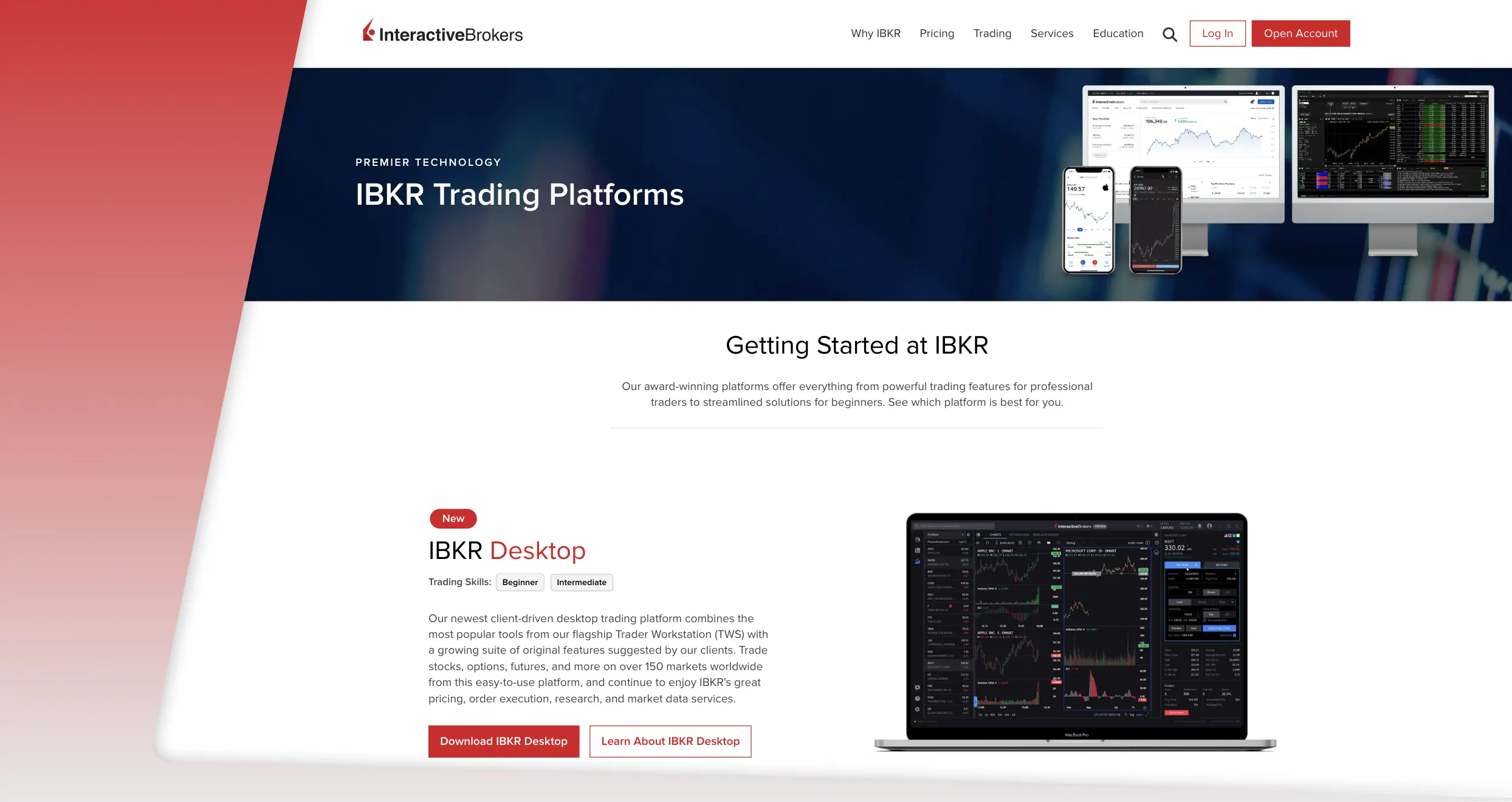

Interactive Brokers is a leading choice for investors who want access to a wide range of global markets at low cost. The platform supports fractional share trading, which makes it easier to buy high-priced stocks such as MSTR. It also offers a broad selection of order types and advanced tools, although the system can feel complicated for beginners.

✔No minimum deposit requirement
✔Zero inactivity fees for individual trading accounts




Pros
- Very competitive trading fees and tight spreads.
- Access to more than 150 markets worldwide
- Fractional share trading available.
- Wide choice of order types and research tools.
- Multi-currency accounts for holding both GBP and USD.
Cons
- Platform interface is complex for new users.
- Inactivity fees can be high for smaller accounts.
- Customer support is sometimes slower than competitors.
Numerous factors, including the £0 Interactive Brokers minimum deposit UK requirement, made our exploration easier and more enjoyable. This trading platform allows users to trade and invest with whatever they can afford, making it ideal even for traders and investors working with a restricted budget.
We were also wowed by the friendly Interactive Brokers fees UK policies. For starters, this company offers free deposits to people who use supported payment methods, including bank transfers. Only people who use physical currency deposits are subjected to a 1% special handling fee. Moreover, this service provider has zero inactivity fees and commissions as low as £0.0005 for stocks and ETFs.
2. eToro

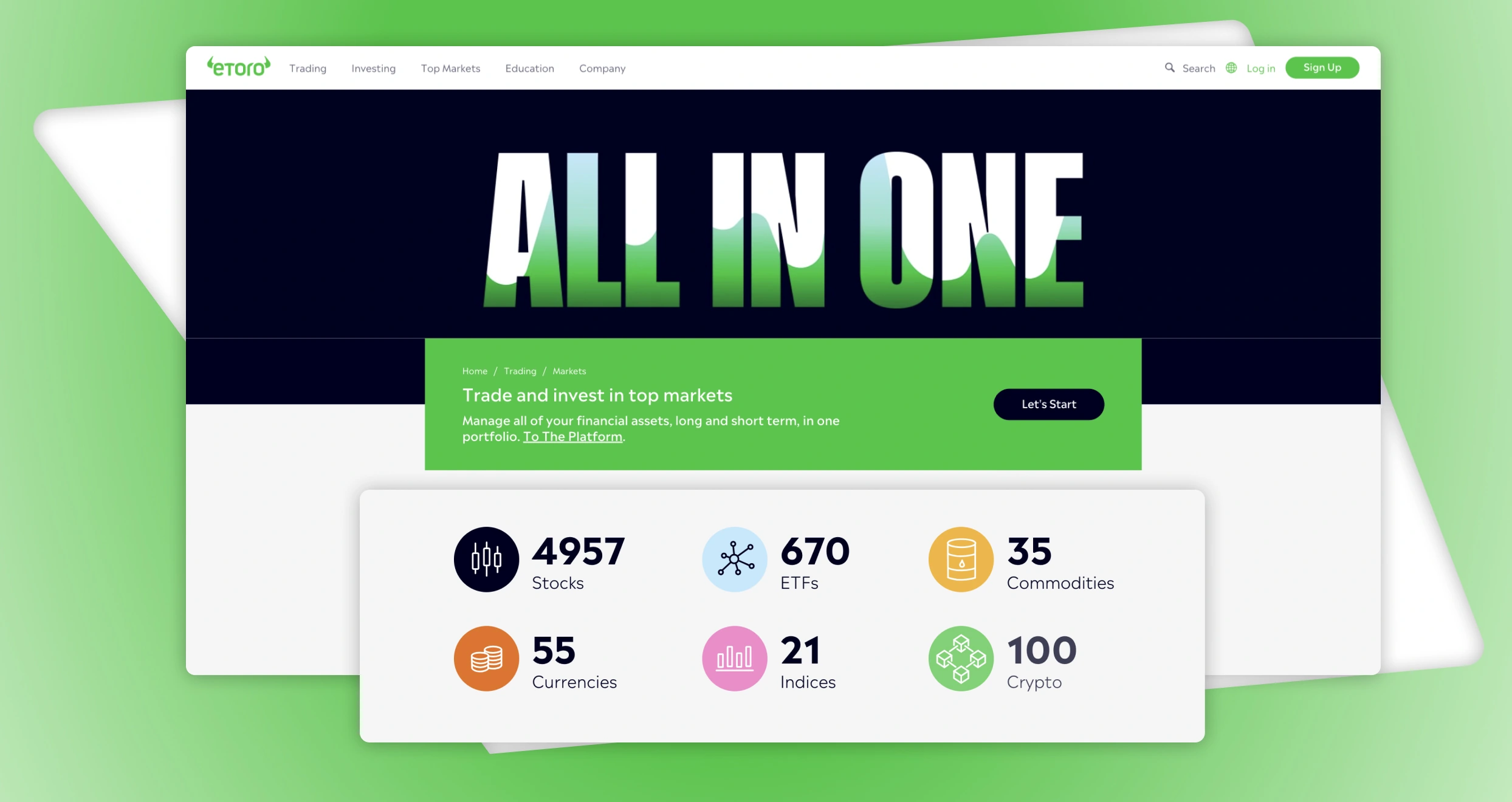
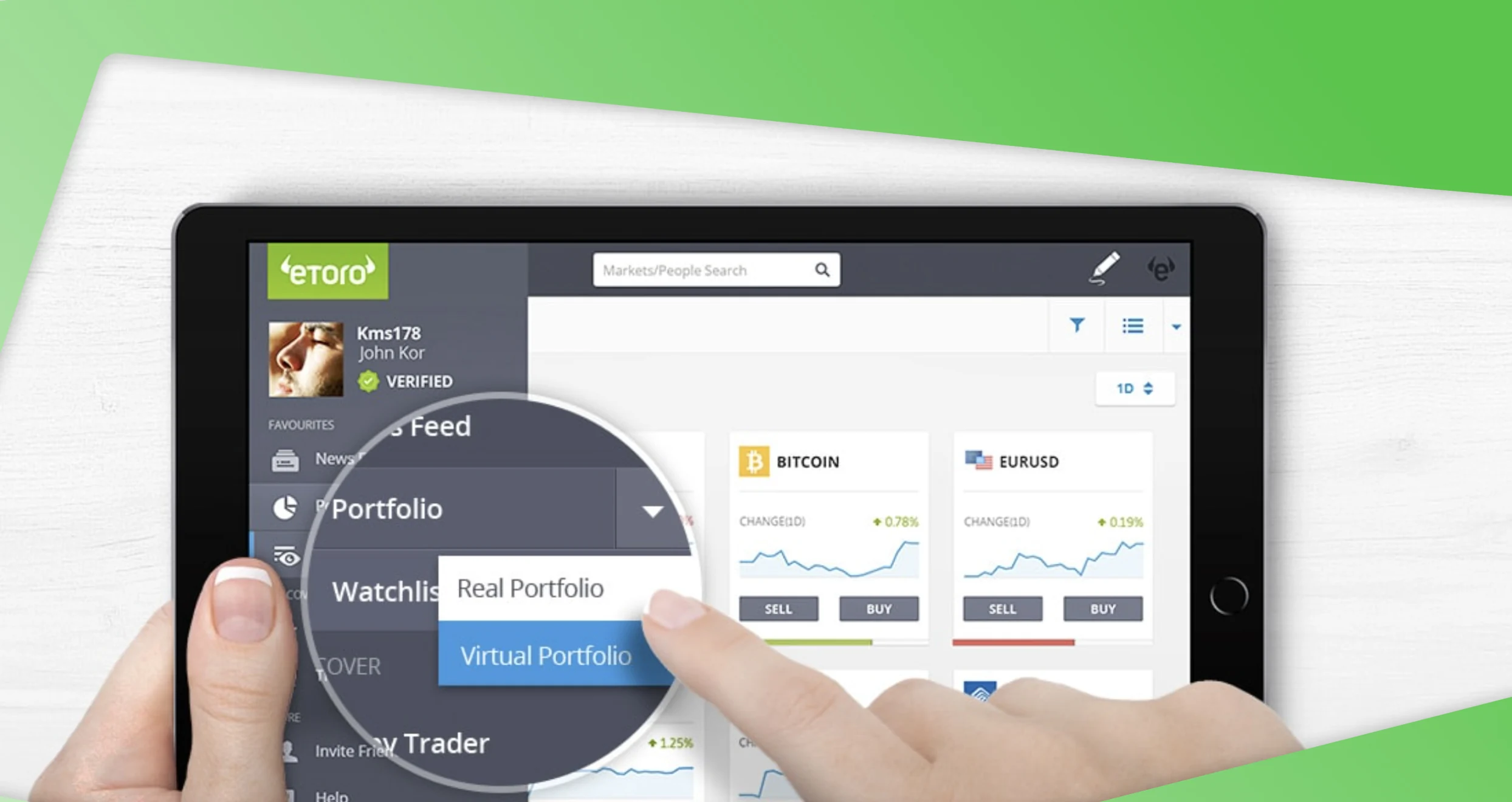

eToro is a user-friendly platform that has become popular in the UK for commission-free investing. It allows investors to buy US stocks such as MicroStrategy and also includes a social trading function, where users can follow and copy other traders. The app is straightforward, but conversion and withdrawal charges can add up.

✔5000+ financial instruments
✔Cost-free deposits
Pros
- Commission-free stock and ETF investing.
- Simple interface suitable for beginners.
- Social trading features for copying experienced investors.
- Wide asset range including crypto, forex, and commodities.
- Strong mobile app with an active community.
Cons
- 0.5% foreign exchange conversion fee on GBP deposits.
- Withdrawal fee of $5 per transaction.
- Charting and research tools are less advanced than professional platforms.
- Spreads and conversion costs reduce the appeal for long-term holders.
If there’s anything that can eat away at your profit margins, it’s unnecessary costs. Thankfully, eToro fees UK are reasonable and pocket-friendly. We acquired a new account without paying a single cent, which was quite a relief. We also noticed that you can enjoy free deposits by using USD. That said, eToro supports many other currencies, including GBP, EUR, and RMB.
You will incur conversion fees if you use any currency other than USD. And if you use any currency that eToro doesn’t support, you must pay conversion fees to your payment provider. The exact conversion fees you may incur at any moment will depend on various factors, including your preferred currency and payment method.
Please note that eToro subjects each withdrawal request to a £5 fee. The platform uses this money to pay expenses arising from international money transfers. Most importantly, you can’t withdraw less than £30 from the eToro trading platform.
While depositing money into our account, we noticed that eToro has strict minimum deposit requirements. Britons using this platform have to deposit at least £100 the first time. Afterwards, you can fund your account with as little as £10, depending on your preferred payment method.
Commission-wise, eToro is very friendly to people who trade ETFs or invest in real stocks since the broker charges 0% for these assets. On the other hand, if you buy or sell crypto on this platform, expect to pay a 1% fee. CFD trading also attracts variable spreads depending on the involved instruments. For instance, the spreads for currencies and commodities start from 1 pip and 2 pips, respectively.
Not to forget, eToro charges a £10 monthly inactivity fee that kicks in after 12 months of dormancy.
3. Pepperstone


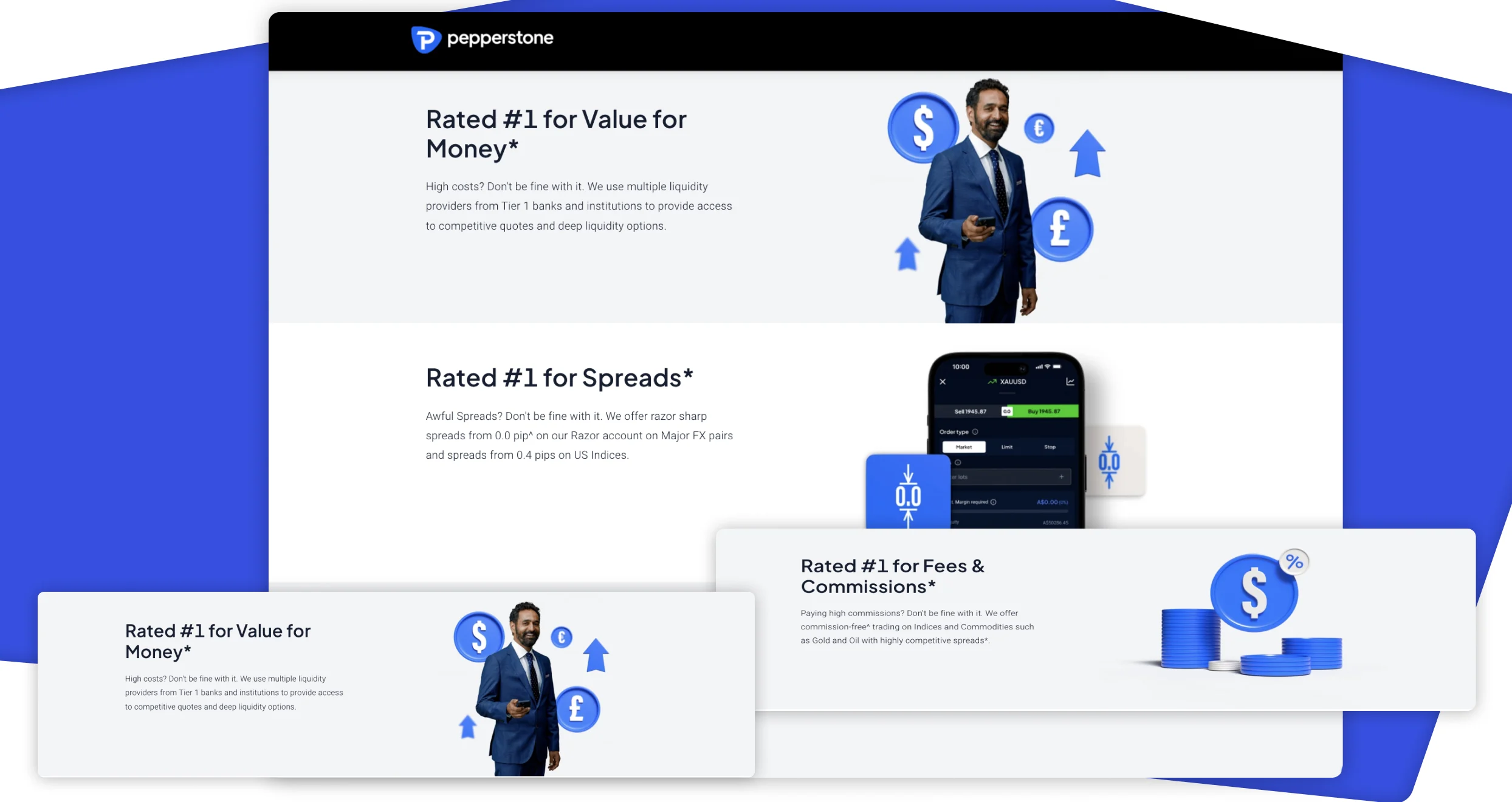
Pepperstone is well-regarded for its trading infrastructure and competitive spreads. Investors in the UK can access MicroStrategy through contracts for difference (CFDs), which allows for fast execution on platforms such as MT4, MT5, and cTrader. This makes Pepperstone suitable for short-term and active traders, though not for those who want to own the underlying shares.

✔24/7 customer support
✔No inactivity fees
Pros
- Tight spreads with consistently fast execution.
- Choice of advanced platforms including MT4, MT5, and cTrader.
- FCA regulation provides a high level of client protection.
- Risk management tools such as guaranteed stop-loss orders.
- Attractive option for active traders using leverage.
Cons
- Only CFD trading is available, so no direct share ownership.
- Overnight financing charges apply to longer-term positions.
- Leverage increases potential risk and requires experience to manage.
- Educational resources are less comprehensive than some rivals.
After evaluating Pepperstone, we opened a trading account for conducting extensive tests. The process was quick and easy.
But what impressed us most was the Pepperstone minimum deposit requirement. This platform has no minimum deposit, which makes it ideal for low-budget and high-budget traders. If you are a beginner, joining this broker is advisable since you can start with a low amount and increase your stakes with time. To top it off, Pepperstone supports free deposits and withdrawals. This broker allows you to use diverse payment methods for free, from Visa debit and credit cards to PayPal and domestic bank transfers.
When it comes to spreads and commissions, Pepperstone is very cost-friendly. You can open a Razor account with this broker and enjoy 20 commission-free trades. Pepperstone’s Standard accounts also have zero commissions. On the other hand, spreads start from as low as 0.0 pips for forex pairs like EUR/USD and 0.5 for commodities like XAUUSD.
Finally, unlike most of its peers, Pepperstone charges zero inactivity fees. However, any positions you hold overnight with this platform are subject to swap rates. Visit Pepperstone’s pricing page for a detailed account of how this broker calculated swap rates for different financial instruments.
Each of these brokers provides a different path to investing in MicroStrategy, so the best choice depends on whether you want direct share ownership, social trading features, or the flexibility of CFDs.
Steps to Invest in MicroStrategy from the UK
Buying shares in MicroStrategy is straightforward for UK investors, as long as you use a broker with access to US markets. Follow these steps if you want to begin investing from the UK.
To buy MicroStrategy shares, you need a platform that supports US equities and provides access to the New York Stock Exchange under the ticker MSTR. UK investors can select from several options, and we have outlined some of the most reliable brokers in the previous section. When making your choice, focus on transparent fees, competitive FX rates, and whether fractional shares are available.
Complete an application and verify your identity with your National Insurance number, photo ID, and proof of address.
Deposit GBP by bank transfer or debit card. Your broker will convert funds into US dollars, so check the exchange rate and any FX chargese.
On most trading platforms, MicroStrategy can be found under the ticker symbol MSTR. The stock profile typically displays live prices, charts, and sometimes analyst insights.
Given the stock’s volatility and price per share, consider your budget carefully. If your broker supports fractional investing, you can start with a smaller amount instead of purchasing a full share.
Investors usually place either a market order at the current price or a limit order at a chosen level. Orders are processed while US markets are open, from 2:30 pm to 9:00 pm UK time.
Read about the stock market hours here.
After investing, it’s important to track both MicroStrategy’s stock performance and fluctuations in the Bitcoin market. The stock tends to reflect shifts in crypto sentiment, often moving in line with BTC rather than typical tech peers.
UK Tax Rules for Investing in MicroStrategy
MicroStrategy does not pay dividends, so returns come only from share price movements. UK investors in US stocks should still be aware of tax implications.
Dividend Tax: US dividends are usually subject to a 15% withholding tax under the UK-US treaty. Since MicroStrategy pays none, this is not relevant.
Capital Gains Tax (CGT): Profits from selling MSTR may be liable for CGT if your gains exceed the annual allowance.
Tax Reporting: Transactions in US shares must be included on a Self Assessment return if you file one.
ISAs and SIPPs: A Stocks and Shares ISA shields UK gains from domestic tax but not US withholding tax. SIPPs can sometimes offer better treatment, depending on the provider.
Consider professional advice to ensure obligations are met and allowances used effectively.
FAQs
Yes, if your broker supports US stocks in an ISA. ISAs protect UK gains and income from tax, but they do not remove the 15% US dividend tax. MicroStrategy does not currently pay dividends, so this is not an issue.o
It can be. You gain Bitcoin exposure but also take on company risk, including debt and management decisions. A benefit is that you avoid the challenges of storing or securing crypto yourself.
Because of its large Bitcoin reserves, the stock tends to track crypto market moves and can swing more sharply than most tech shares, even without company-specific news.
MSTR gives you a stake in a business, not the asset itself. You benefit from Bitcoin’s price moves but are also exposed to company performance and investor sentiment:
Final Thoughts
MicroStrategy is not a typical stock. It offers UK investors access to Bitcoin exposure through a regulated equity, avoiding the practical hurdles of crypto trading. But this advantage comes with high volatility and concentrated risk.
Before investing, consider whether this type of exposure fits your broader goals. MicroStrategy may suit those who understand the crypto market and are comfortable with the added complexity of company risk. For the right investor, it could be a bold addition to a well-balanced portfolio.