
 Fact checked


Advertising Disclosure
We may receive compensation from our partners for placement of their products or services, which helps to maintain our site. We may also receive compensation if you click on certain links posted on our site. While compensation arrangements may affect the order, position or placement of product information, it doesn’t influence our assessment of those products.
In Britain, interest in Bitcoin has moved from the fringes of finance to a topic many ordinary investors now consider. Coverage of sharp price swings, regulatory changes, and major institutions entering the market has put it firmly in the public eye. For beginners, however, the mechanics of buying and selling remain complex. With numerous platforms to choose from, different storage methods, and specific UK tax rules, the challenge lies in understanding how the process works before deciding whether Bitcoin should form part of an investment portfolio.
In This Guide
Top Bitcoin UK Brokers
1. eToro

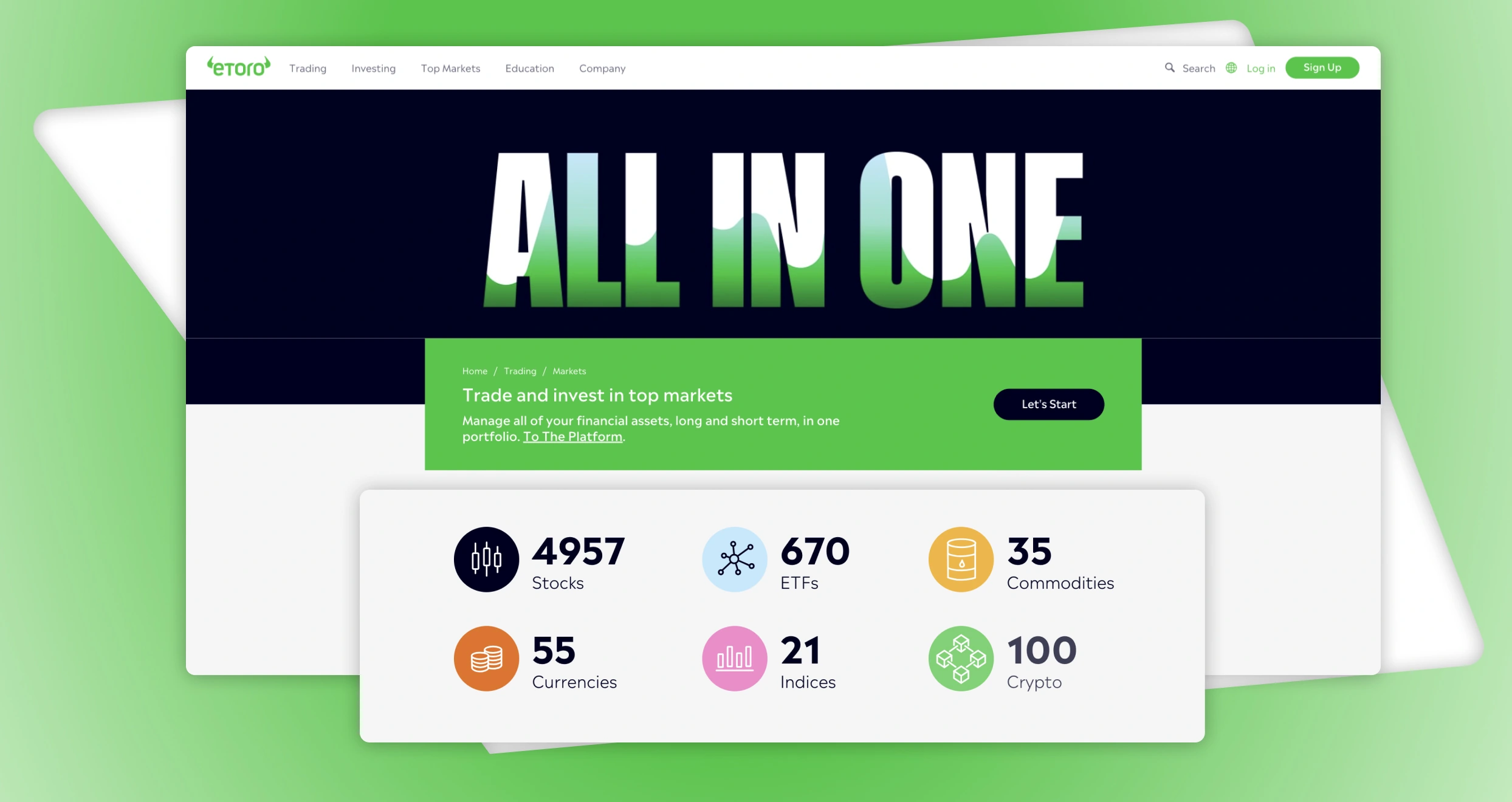
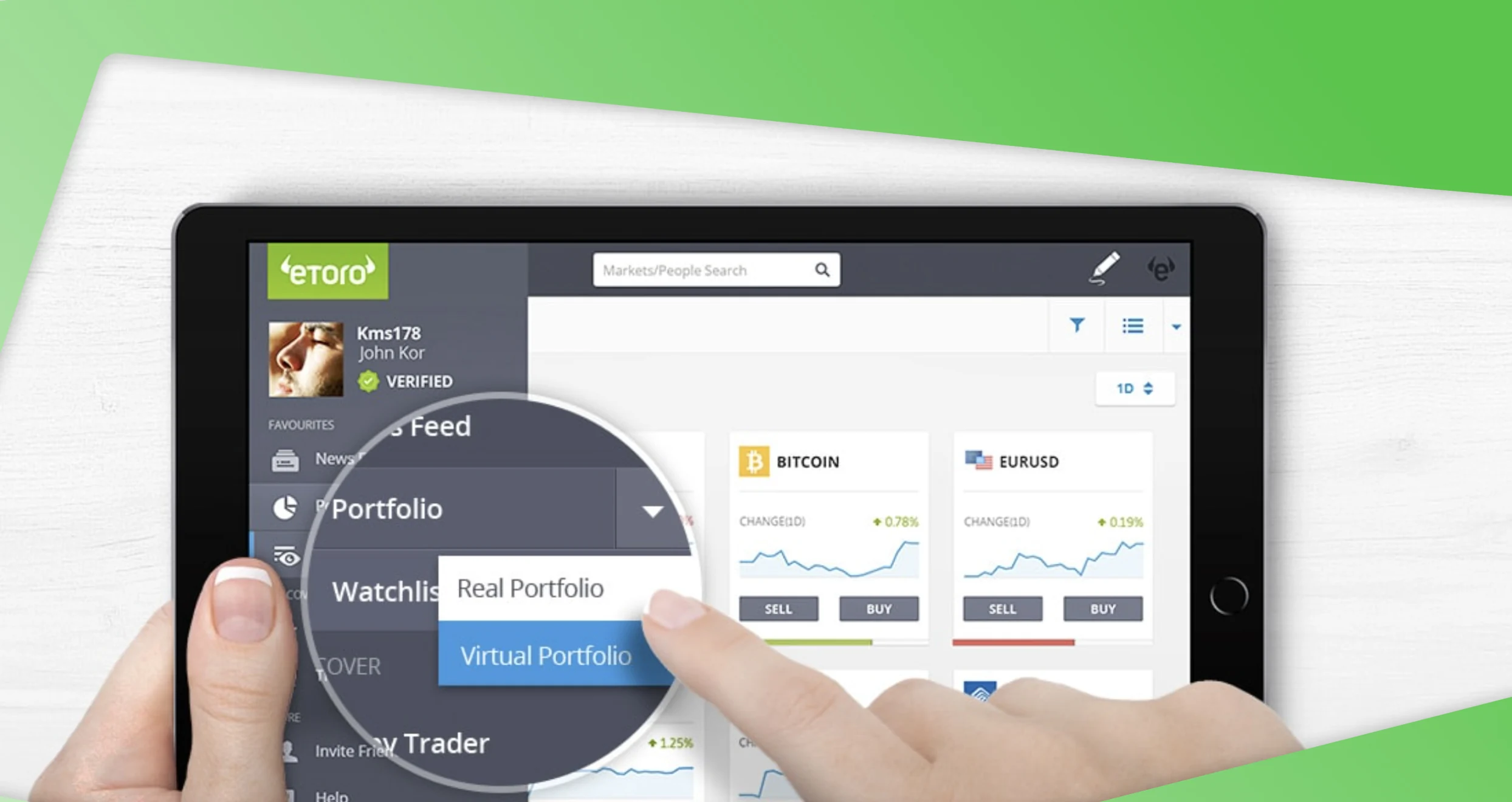

eToro supports spot Bitcoin buying and selling, meaning you actually own the coins rather than trading a derivative. A flat 1% fee applies per trade for standard Club tiers, dropping for higher tiers based on monthly volume. And besides Bitcoin, users gain access to additional 150+ cryptocurrencies.
Getting started at eToro requires a minimum deposit of £50. The best part is that eToro has its own wallet, making it easier to move tokens. However, transferring out from the platform to an external wallet carries a fee. Trading happens through the app or web platform, with real-time price alerts helpful for a market that moves outside standard hours.

eToro
✔5000+ financial instruments
✔Cost-free deposits




Pros & Cons
Fees
Trading Assets
Pros
- Genuine ownership of Bitcoin
- Fee drops significantly at higher Club tiers
- Practise first on the £100,000 demo account
- Quality learning resources and a CopyTrader platform
Cons
- No FSCS protection on crypto holdings
- No MT4/5 platforms
If there’s anything that can eat away at your profit margins, it’s unnecessary costs. Thankfully, eToro fees UK are reasonable and pocket-friendly. We acquired a new account without paying a single cent, which was quite a relief. We also noticed that you can enjoy free deposits by using USD. That said, eToro supports many other currencies, including GBP, EUR, and RMB.
You will incur conversion fees if you use any currency other than USD. And if you use any currency that eToro doesn’t support, you must pay conversion fees to your payment provider. The exact conversion fees you may incur at any moment will depend on various factors, including your preferred currency and payment method.
Please note that eToro subjects each withdrawal request to a £5 fee. The platform uses this money to pay expenses arising from international money transfers. Most importantly, you can’t withdraw less than £30 from the eToro trading platform.
While depositing money into our account, we noticed that eToro has strict minimum deposit requirements. Britons using this platform have to deposit at least £100 the first time. Afterwards, you can fund your account with as little as £10, depending on your preferred payment method.
Commission-wise, eToro is very friendly to people who trade ETFs or invest in real stocks since the broker charges 0% for these assets. On the other hand, if you buy or sell crypto on this platform, expect to pay a 1% fee. CFD trading also attracts variable spreads depending on the involved instruments. For instance, the spreads for currencies and commodities start from 1 pip and 2 pips, respectively.
Not to forget, eToro charges a £10 monthly inactivity fee that kicks in after 12 months of dormancy.
2. Coinbase
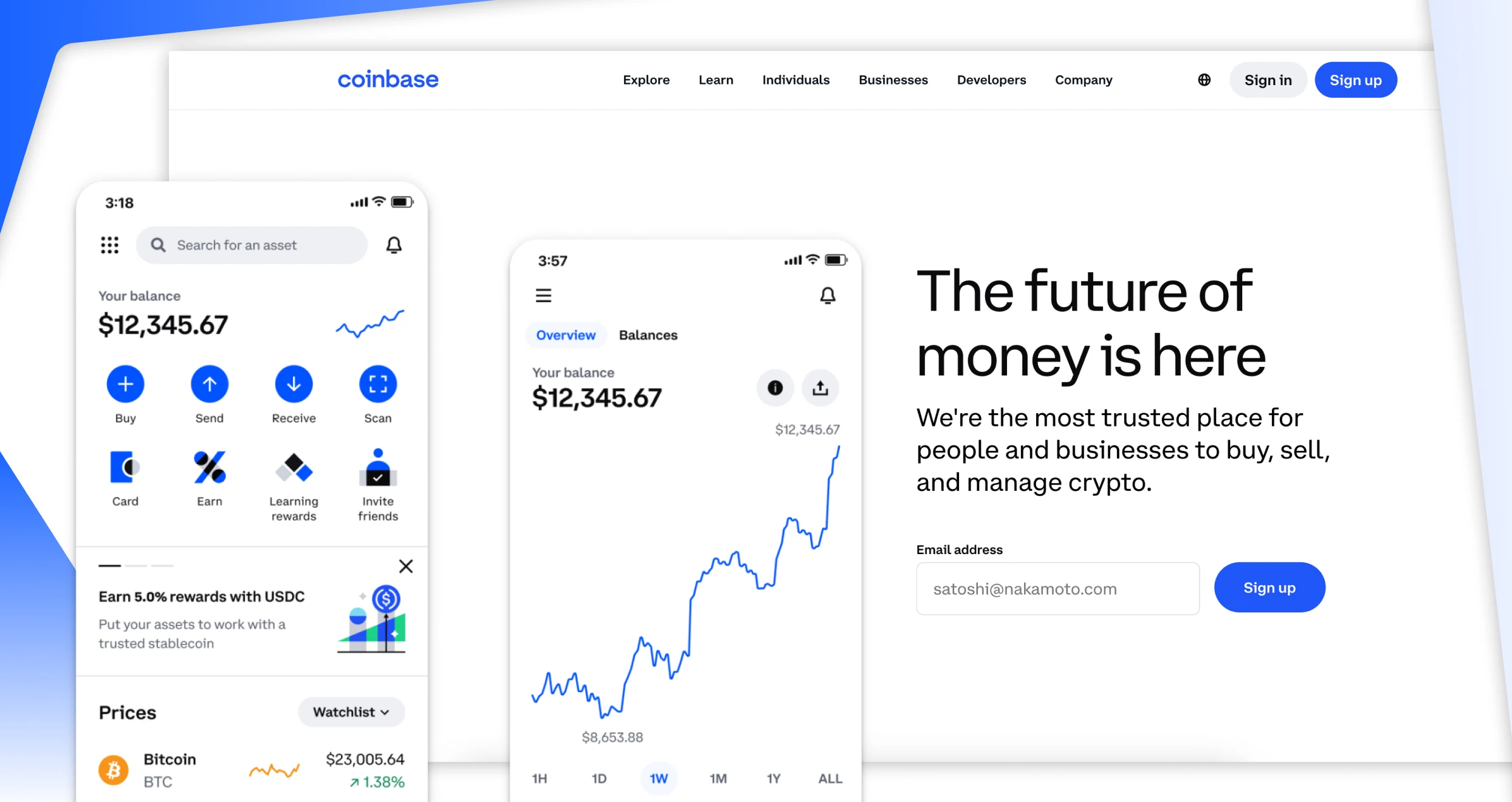
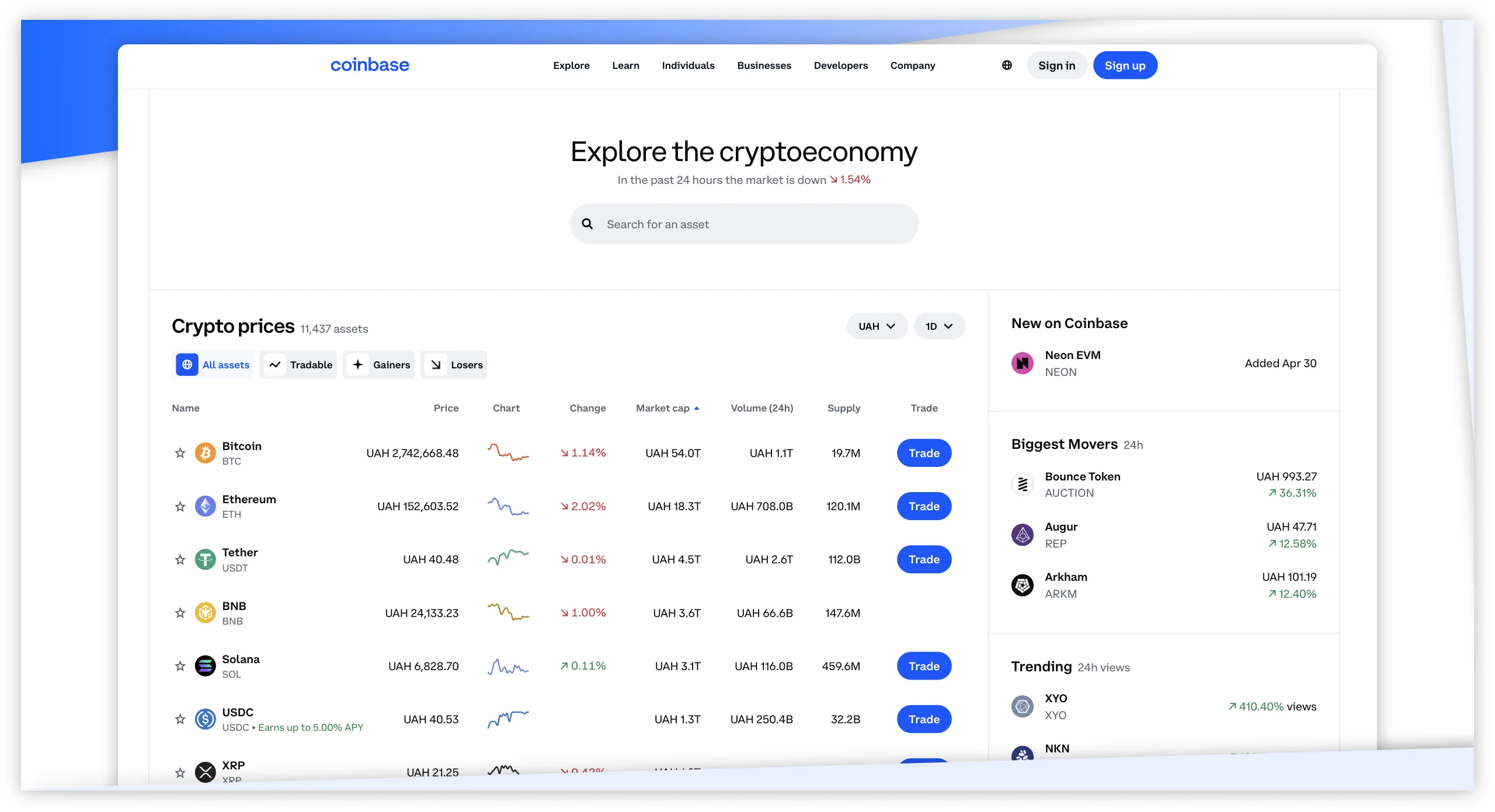

Coinbase gives access to more than 240 cryptoassets, including Bitcoin, through a beginner-friendly app or the more advanced Coinbase Advanced interface. GBP deposits via Faster Payments are free, and there’s no real minimum deposit requirement to get started. The standard “instant buy” comes with fees of up to 3.99% plus spread, while switching to Coinbase Advanced drops this to a maker/taker structure of 0–0.6% and 0.05–1.2%.
GBP withdrawals via Faster Payments are free, while wire transfers and on-chain transfers attract small separate fees. A Visa debit card is also available for spending crypto directly.
Coinbase
✔Authorised and regulated by the FCA
✔No account inactivity fee
Pros & Cons
Fees
Trading Assets
Pros
- Free GBP deposits and withdrawals
- Beginner-friendly app with an advanced option available
- Visa debit card for spending crypto
- Hundreds of crypto tokens to explore
Cons
- Switching to lower-fee Advanced mode has a learning curve
- Supports only cryptocurrencies. No other asset classes
Creating and maintaining a Coinbase account is free. We used that fact to our advantage by opening a new account and using it to test the Coinbase exchange. While exploring and evaluating this platform, we stumbled upon a few other noteworthy details.
For starters, Coinbase allows its users to store their FIAT and digital assets on the platform free of charge. Moreover, the company’s clients can transfer crypto to and from different primary balances at no cost.
That said, this company requires its users to pay a stipulated fee when transferring crypto from their Base App to other digital wallets. The exact charges depend on factors like the prevailing network fees. Moreover, all Coinbase users must cover a 0.1% processing fee while using the Lightning Network to send Bitcoin from the exchange.
Coinbase also requires investors and traders to cover specific fees while buying, selling, or converting crypto on the exchange. Numerous factors, including your order size and preferred payment method, will determine the costs you’ll incur while partaking in such ventures. You should always use the preview screen to view the fees you are supposed to cover before placing an order.
Not to forget, this exchange includes a spread in every quoted price. Expect to cover this expense whenever you place simple buy/sell orders. If you want to avoid paying the spread, switch to Coinbase Advanced, where you can interact with the order book without an intermediary.
Finally, Coinbase charges maker fees starting from 0bps and taker fees starting from 5bps. And although some payment methods, like ACH, offer free deposits and withdrawals, most require Coinbase users to pay transaction fees. For instance, when withdrawing GBP with Swift, you must pay a £1 withdrawal fee.
Steps to Trade Bitcoin in the UK
Step 1: Choose a Crypto Exchange
Step 2: Create a New Account
Step 3: Fund Your Account
Step 4: Buy and Sell Bitcoin
The first step is deciding where to trade. A crypto exchange is an online marketplace that matches buyers and sellers. UK investors often turn to global platforms such as Coinbase or Kraken, while some prefer regulated brokers like eToro that also offer shares and funds.
Comparing different Bitcoin trading platforms highlights how fees, regulation, and usability vary across providers, helping beginners judge which option balances cost with security.
When comparing exchanges, focus on a few essentials:
- Regulation and safety: Make sure the exchange is registered with the Financial Conduct Authority (FCA) for anti-money laundering compliance.
- Fees: Trading costs range from about 0.1 per cent on high-volume platforms to over 1.5 per cent on beginner-focused apps.
- Range of services: Some deal only in crypto, while others also provide access to traditional markets.
- Ease of use: A straightforward interface reduces the chance of mistakes when placing your first order.
Above all, beginners should prioritise trust. Paying a little more in fees is often worthwhile if the platform offers strong support for UK customers and clear, transparent policies.
Setting up an account with a crypto exchange works much like registering with a stockbroker or digital bank. You will be asked for your full name, address, date of birth, a valid email, and a mobile number. To complete the process, exchanges also require proof of identity, such as a passport or driving licence, and sometimes proof of address through a utility bill or bank statement.
This stage is known as Know Your Customer (KYC) and is a legal requirement under UK regulations. The aim is to prevent fraud, money laundering, and other financial crime. Verification can be instant if the system matches your documents automatically, but in some cases it may take a day or two.
Most exchanges also ask you to set up two-factor authentication (2FA) before trading. This adds an extra layer of security by linking your login to a code sent to your phone or generated in an app like Google Authenticator. While it may feel like an extra step, it reduces the risk of unauthorised access to your account.
Once your account is verified and secured, you are ready to add funds and prepare for your first trade.
After verification, the next step is adding money to your exchange account. Most UK platforms support bank transfers through Faster Payments, which usually arrive within minutes and carry low or no fees. This method is often the cheapest and most reliable for regular investors.
Debit cards are another option, though they often include higher transaction costs. Some exchanges also accept PayPal or Apple Pay, which may be convenient but usually less cost-effective. Credit cards are rarely recommended, as banks treat crypto purchases as cash advances, adding extra fees and high interest charges.
When funding your account, check the exchange’s minimum deposit requirements. Some allow deposits from as little as £10, while others set higher thresholds. It is also worth confirming withdrawal fees in advance, since costs can differ between providers. For beginners, starting with a modest transfer by bank payment is often the safest way to test how the process works before committing larger sums.
Once your account is funded, you can place your first trade. Exchanges typically offer two main order types:
- Market order: Buys Bitcoin straight away at the best available price. It is fast and simple but may include a small spread cost.
- Limit order: Lets you set the exact price you are willing to pay. The trade will only go through if the market reaches that level, which gives you more control but may take longer.
Selling works in the same way. If you already hold Bitcoin and want to convert it back into pounds, you can choose a market or limit sell order. The proceeds will appear in your exchange account balance, and you can then withdraw them to your UK bank.
Be aware of charges at both ends of the process. Trading fees, spreads, and withdrawal costs can quickly add up. For example, buying and later selling £1,000 of Bitcoin might reduce your return by £10 to £20 depending on the platform. Some exchanges also offer lower fees for higher-volume traders, while others provide reduced costs if you use their own token or membership scheme. Beginners should always check the full fee schedule before making a trade.
Finally, remember that crypto markets operate 24/7. Prices can change overnight or at weekends, so it is wise to track market movements before placing larger orders.
What Is Bitcoin?

Bitcoin is a digital currency launched in 2009. It runs on a public ledger called the blockchain, which records every transaction. Unlike pounds or dollars, it is not issued by a central bank. Instead, new coins are created through mining, where computers solve complex calculations to confirm transactions.
The supply of Bitcoin is limited to 21 million coins. Supporters argue that this fixed cap makes it similar to “digital gold”. Critics point to sharp price swings and the absence of consumer protections as reasons for caution.
Where to Buy Bitcoin?
UK investors have several routes to purchase Bitcoin:
- Global exchanges: Platforms like Binance, Kraken, and Coinbase offer a wide range of features and liquidity.
- Broker platforms: Services such as eToro, Revolut, or IG let users buy Bitcoin alongside traditional assets like shares and funds.
- Bitcoin ATMs: Located in some UK cities, these machines allow purchases with cash or card, though fees are usually high.
- Peer-to-peer platforms: Sites that connect buyers and sellers directly. They can be flexible but carry greater fraud risk.
For most beginners, a regulated exchange or broker provides the safest and most practical entry point, combining ease of use with stronger oversight.
How to Store Bitcoin

Owning Bitcoin is not the same as holding cash in a high street bank. Once you have bought it, you need to decide how to store it safely.
- Hot wallets: These are apps or web-based wallets connected to the internet. They are convenient for everyday use but more exposed to hacking.
- Cold wallets: Hardware devices such as Ledger or Trezor that keep Bitcoin offline. They offer stronger protection from online attacks, but you must keep the device and recovery phrase secure.
- Custodial wallets: Some exchanges store Bitcoin for you, much like a bank account. This is simple, but you are fully dependent on the provider’s security.
For small amounts, many beginners leave their coins in an exchange wallet. For larger balances, cold storage is widely considered safer. Choosing where to store cryptocurrency often depends on the features offered by the Bitcoin wallets, including regulation and security standards, backup tools, and overall usability.
FAQs
Do I need a special bank account to buy Bitcoin in the UK?
No. A regular UK current account is enough for most exchanges. Some high street banks block card payments for crypto, but Faster Payments through online banking usually work without issue.
Is Bitcoin legal to own in the UK?
Yes. Buying, selling, and holding Bitcoin is legal. Exchanges must register with the Financial Conduct Authority (FCA) for anti-money laundering checks, but ownership does not carry the same protections as regulated savings or investments.
Can I use Bitcoin to pay for goods in the UK?
Only in limited cases. A few retailers and online services accept it, but it is far from common. Most UK holders treat Bitcoin as an investment rather than an everyday payment method.
How much Bitcoin do I need to buy?
You do not have to purchase a full coin. Bitcoin is divided into units called satoshis, and many platforms let you start with as little as £10. This makes it accessible even to beginners with modest budgets.
Conclusion
Buying and selling Bitcoin in the UK is no longer reserved for early adopters. It is easy to open an account, transfer pounds, and gain exposure to the world’s most recognised cryptocurrency. Yet the process should not be mistaken for the decision itself.
Bitcoin is different from traditional UK investments such as ISAs, gilts, or FTSE 100 funds. It comes with sharp price swings, the risk of lost keys, and no income stream like dividends or interest. For some investors, volatility is part of the appeal. For others, it underlines the need for caution.
Handled with care, Bitcoin can play a role as a small and speculative part of a wider portfolio. For beginners, the best approach is to stay informed, keep records, and never commit more than they are comfortable losing. Curiosity can be a strength, but it works best when paired with discipline.




I'd add from my experience is that timing the market with BTC is incredibly difficult, even for seasoned traders. The article mentions waiting for the price to spike before selling, but in reality, those spikes can reverse just as quickly. I've found it more sustainable to set realistic profit targets and stop-losses rather than trying to catch the absolute peak. Also, the fees can really add up if you're actively trading - something to factor into your strategy that isn't emphasized enough here.