
 Fact checked


We may receive compensation from our partners for placement of their products or services, which helps to maintain our site. We may also receive compensation if you click on certain links posted on our site. While compensation arrangements may affect the order, position or placement of product information, it doesn’t influence our assessment of those products.
For anyone new to investing in stocks, few things are more frustrating than spotting market-moving news only to find trading has already closed. Share prices can shift on earnings or economic data. However, unless you know the exact market open and close times, you risk missing the crucial moment.
Stock market hours set the rhythm for liquidity and price discovery. For UK investors, understanding when London is active and how those hours overlap with international exchanges is essential. It determines when trading opportunities arise, when volatility is most intense, and how global events filter into local portfolios.
Best Stock Brokers
1. eToro

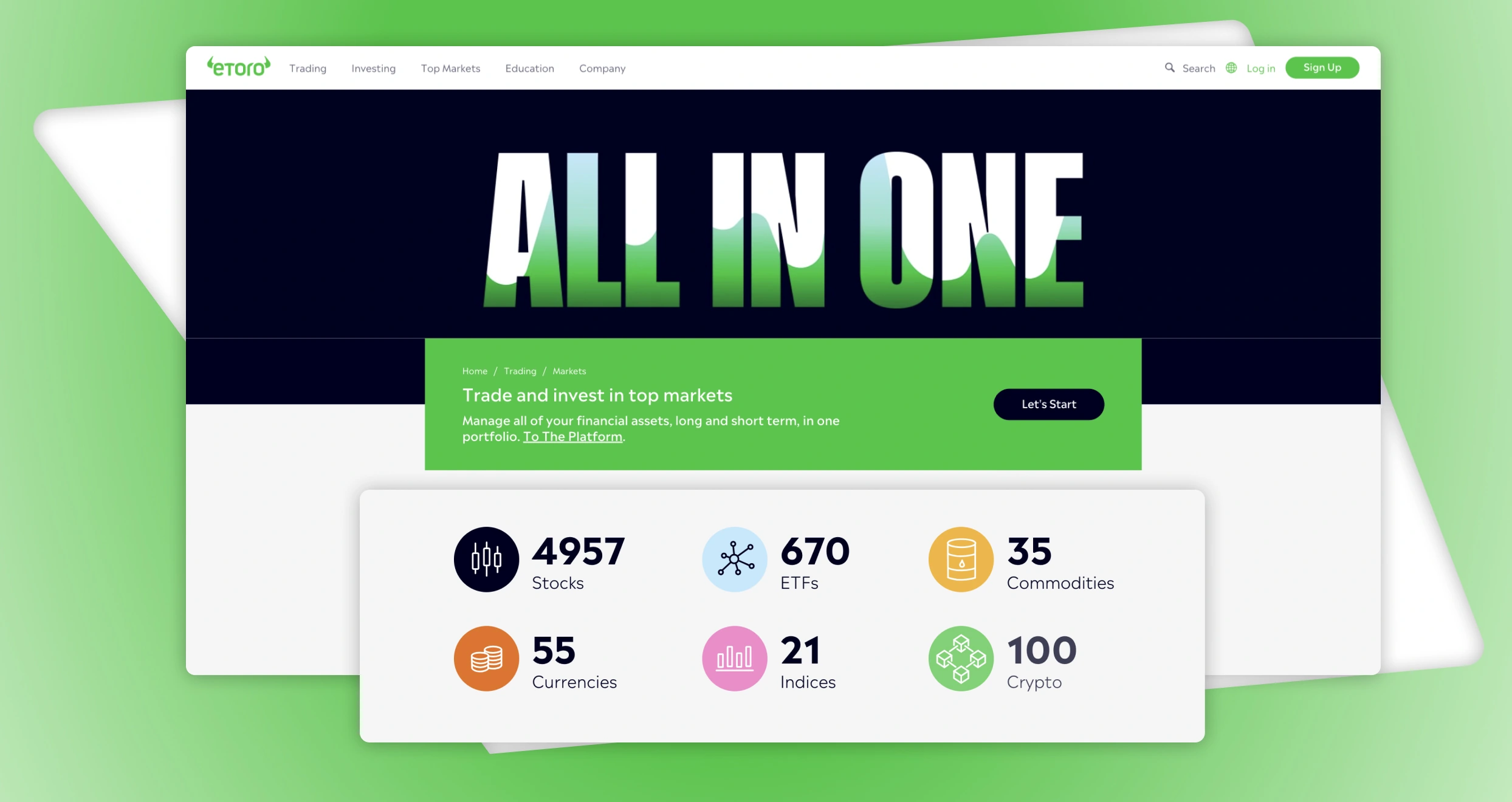
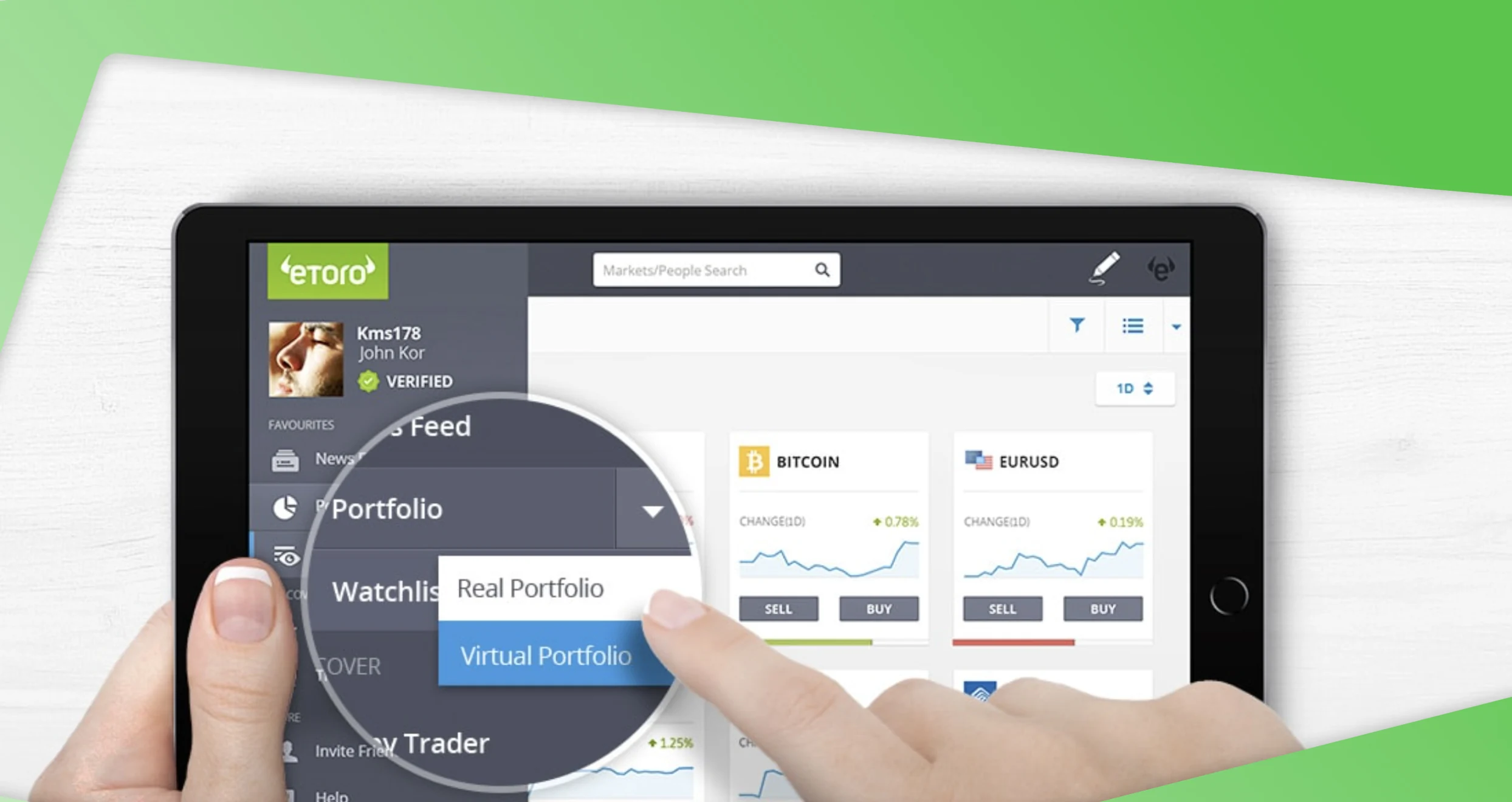

Outside standard exchange hours, eToro offers a 24/5 trading mode on many popular stocks, letting you react to news before the next market opens. However, spreads widen during this extended window. The broker lists 8,000+ global stocks, and you can either choose to purchase a whole share or invest in fractions.
Getting started is easy, as account opening takes a few minutes. The minimum deposit required is £50, and all transactions are free. The web platform and app both display current market status per instrument, so it’s clear when you’re trading during standard hours versus the extended session. eToro’s market hours page also lists exact opening times per exchange, useful for planning trades around specific sessions.

✔5000+ financial instruments
✔Cost-free deposits




Pros
- 24/5 trading mode on popular stocks.
- Free transactions.
- Quality learning and market analysis tools.
- Seamless execution on desktop and mobile devices.
Cons
- Not all stocks are available in 24/5 mode.
- £5 withdrawal fee from a USD wallet.
If there’s anything that can eat away at your profit margins, it’s unnecessary costs. Thankfully, eToro fees UK are reasonable and pocket-friendly. We acquired a new account without paying a single cent, which was quite a relief. We also noticed that you can enjoy free deposits by using USD. That said, eToro supports many other currencies, including GBP, EUR, and RMB.
You will incur conversion fees if you use any currency other than USD. And if you use any currency that eToro doesn’t support, you must pay conversion fees to your payment provider. The exact conversion fees you may incur at any moment will depend on various factors, including your preferred currency and payment method.
Please note that eToro subjects each withdrawal request to a £5 fee. The platform uses this money to pay expenses arising from international money transfers. Most importantly, you can’t withdraw less than £30 from the eToro trading platform.
While depositing money into our account, we noticed that eToro has strict minimum deposit requirements. Britons using this platform have to deposit at least £100 the first time. Afterwards, you can fund your account with as little as £10, depending on your preferred payment method.
Commission-wise, eToro is very friendly to people who trade ETFs or invest in real stocks since the broker charges 0% for these assets. On the other hand, if you buy or sell crypto on this platform, expect to pay a 1% fee. CFD trading also attracts variable spreads depending on the involved instruments. For instance, the spreads for currencies and commodities start from 1 pip and 2 pips, respectively.
Not to forget, eToro charges a £10 monthly inactivity fee that kicks in after 12 months of dormancy.
2. Pepperstone


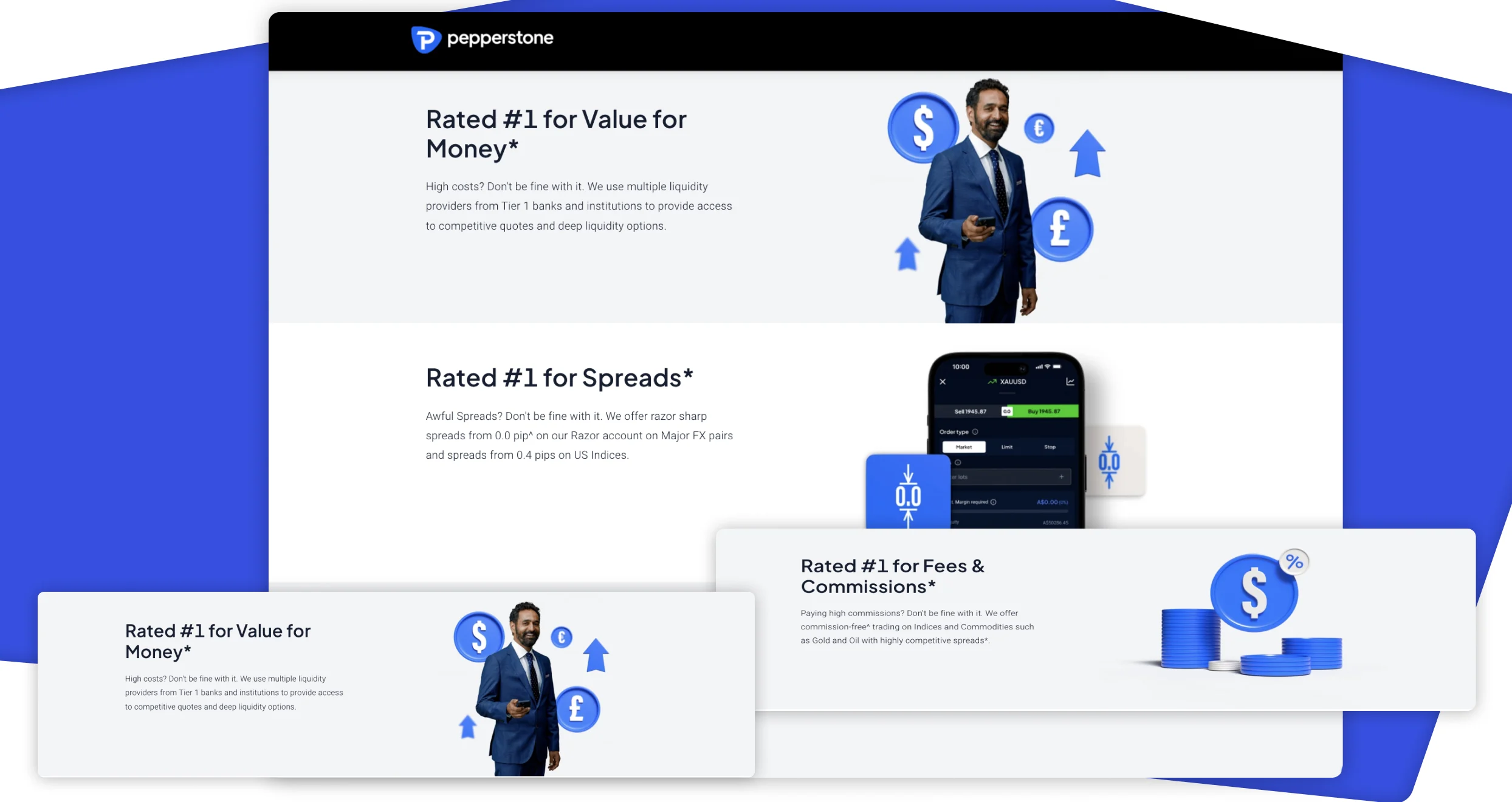
Pepperstone provides close to round-the-clock pricing on major indices and a wide spread of CFD and spread betting markets. This is with a published trading-hours and maintenance schedule, so you know exactly when each instrument is live. Thousands of global shares are listed here, plus other assets for portfolio diversification.
Note that Pepperstone has no minimum deposit requirement and execution runs through MT4, MT5, cTrader, or TradingView. These platforms have unique features and show real-time market status. Outside standard equity hours, index CFDs remain tradeable, giving a way to react to after-hours news even when individual shares are closed for the session.

✔24/7 customer support
✔No inactivity fees
Pros
- Lists 8,000+ global stocks.
- Features a £100,000 virtually-funded demo account to test your strategies with.
- Quality learning materials plus a CopyTrader platform.
- Reliable trading app for iOS and Android devices.
Cons
- Individual shares still limited to standard exchange hours.
- Overnight/swap charges apply to open positions.
After evaluating Pepperstone, we opened a trading account for conducting extensive tests. The process was quick and easy.
But what impressed us most was the Pepperstone minimum deposit requirement. This platform has no minimum deposit, which makes it ideal for low-budget and high-budget traders. If you are a beginner, joining this broker is advisable since you can start with a low amount and increase your stakes with time. To top it off, Pepperstone supports free deposits and withdrawals. This broker allows you to use diverse payment methods for free, from Visa debit and credit cards to PayPal and domestic bank transfers.
When it comes to spreads and commissions, Pepperstone is very cost-friendly. You can open a Razor account with this broker and enjoy 20 commission-free trades. Pepperstone’s Standard accounts also have zero commissions. On the other hand, spreads start from as low as 0.0 pips for forex pairs like EUR/USD and 0.5 for commodities like XAUUSD.
Finally, unlike most of its peers, Pepperstone charges zero inactivity fees. However, any positions you hold overnight with this platform are subject to swap rates. Visit Pepperstone’s pricing page for a detailed account of how this broker calculated swap rates for different financial instruments.
3. Plus500
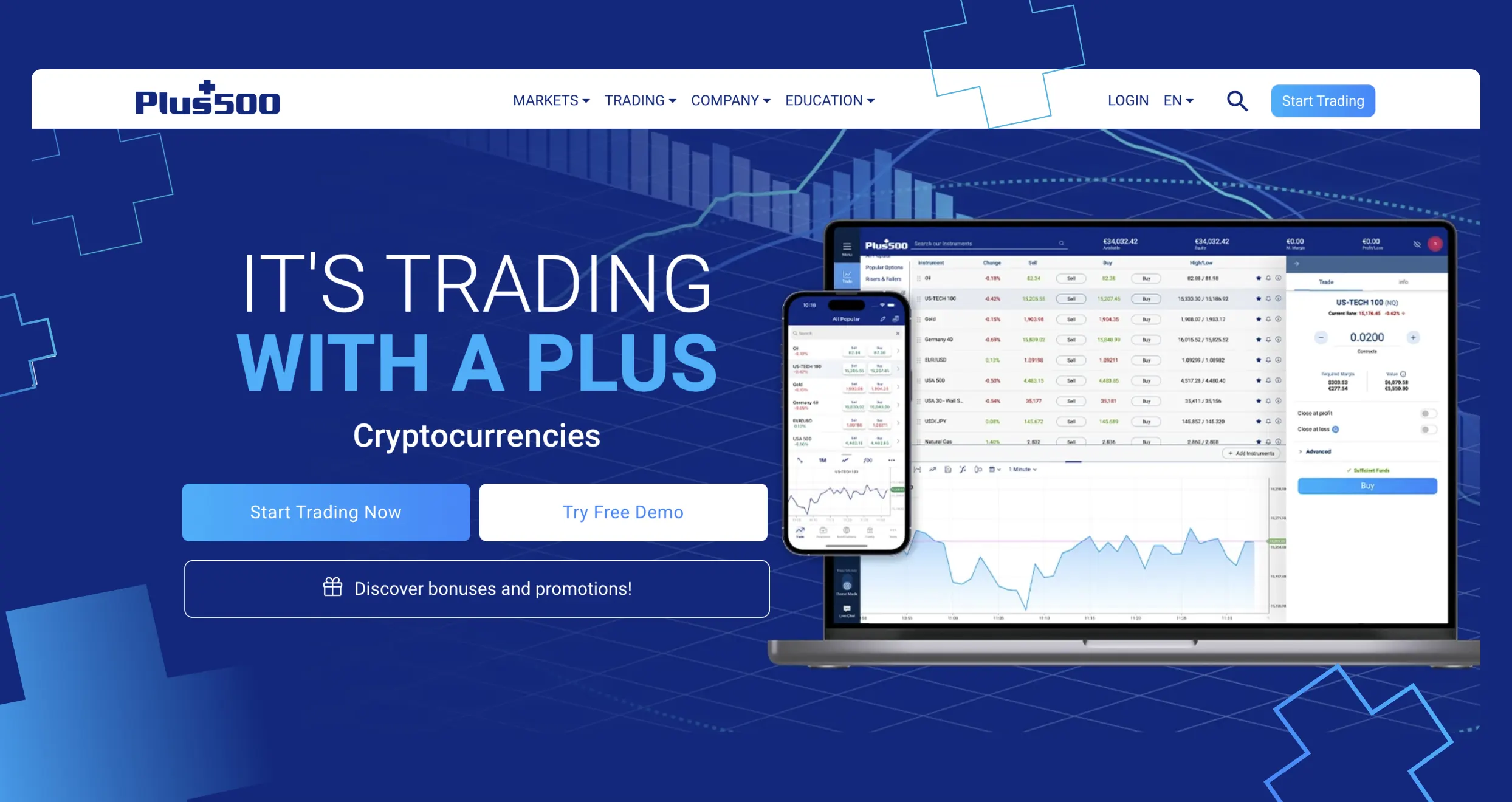
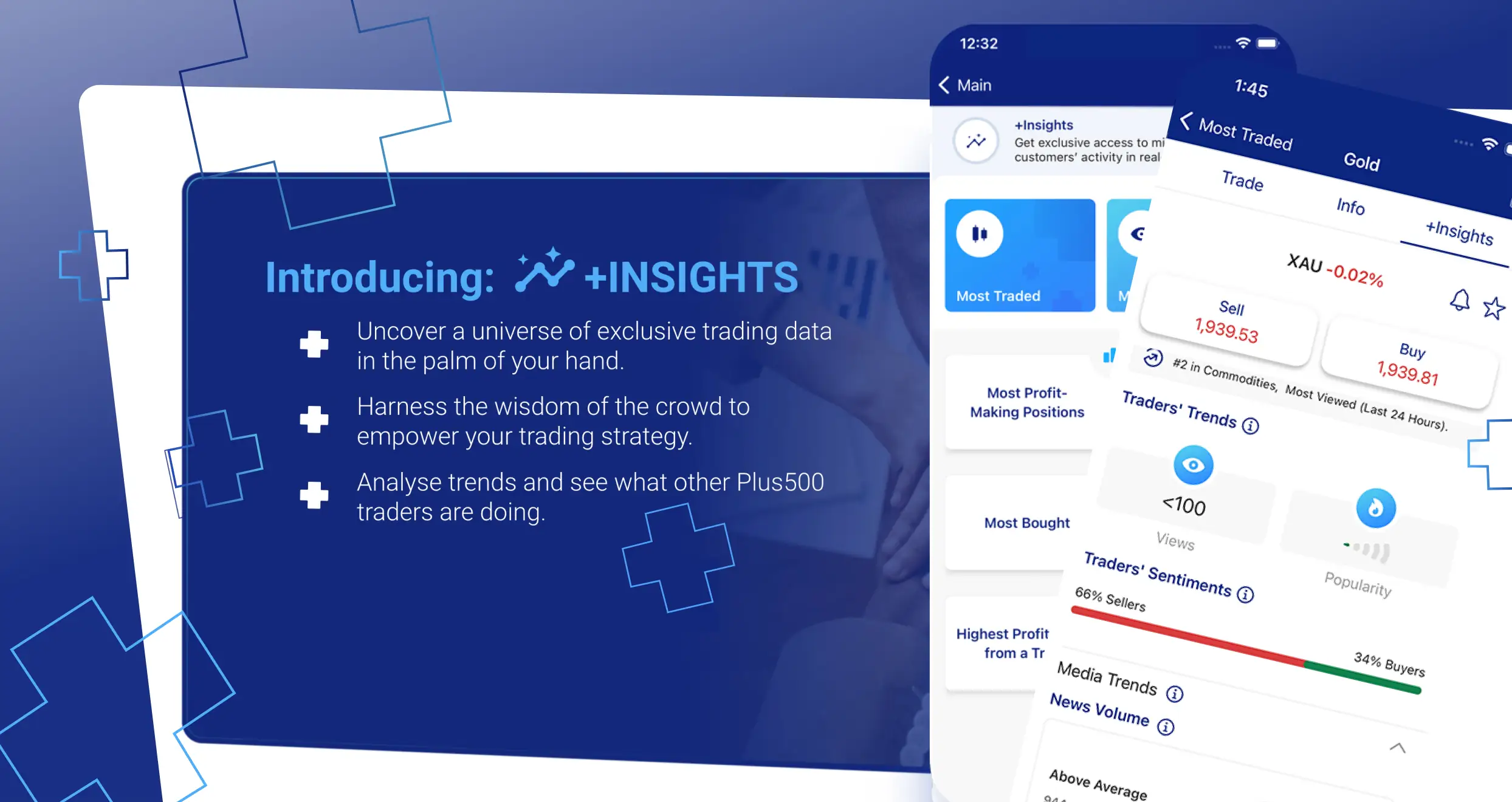


Plus500 lists trading hours per instrument directly on its platform, so you can see at a glance when shares, indices, or other CFDs are open. Before then, you need a trading account that takes minutes to open. You should also deposit at least £50 when using a card. Fortunately, all transactions are free.
The proprietary app sends real-time push and email alerts on price moves, useful for catching activity around market open and close when volatility tends to spike. Guaranteed stop-loss orders are available to manage risk through these higher-volatility windows, for an additional cost reflected in a wider spread.

✔User-friendly interface
✔Zero deposit and withdrawal fees
Pros
- Real-time push and email price alerts.
- Guaranteed stop-loss orders for volatile sessions.
- Commission-free trades.
- A user-friendly platform with seamless execution on all devices.
Cons
- Guaranteed stop-loss orders are available at a fee.
- Inactivity fee applies after three months.
Brokers need to generate revenue and cover operating costs. That’s why many have fees and commissions. Sadly, high charges can undermine your profitability in the long run. That’s why looking for an affordable service provider is necessary.
With that in mind, we evaluated Plus500 fees UK. The process was easy since this broker values transparency. Our team was impressed by the fact that the trading platform doesn’t charge a dime for most services. First, opening an account is free. Deposits and withdrawals also attract zero charges. Furthermore, the broker offers free live CFD prices and dynamic charts. But note that the Plus500 minimum deposit UK is $50.
Plus500 primary source of compensation is the spread. While trading with this platform, you’ll have to cover the spread whenever you open a position. Your costs will depend on various factors, including your preferred instrument and current market conditions.
This broker also charges overnight funding and currency conversion fees. The former fee kicks in whenever you keep a position open overnight. On the other hand, you have to cover currency conversion fees whenever you interact with any currency besides your account’s base currency. Lastly, dormant Plus500 accounts attract a £10 monthly inactivity fee.
Trading Hours in the UK and Europe
The London Stock Exchange (LSE) is one of Europe’s primary trading venues. Its hours are key for anyone tracking FTSE 100 giants, FTSE 250 mid-caps, or smaller firms on the AIM market.
Trading hours on the LSE span from 8:00 am to 4:30 pm UK time, Monday through Friday.
There’s also an opening auction from 7:50 am to 8:00 am and a closing auction from 4:30 pm to 4:35 pm. These brief periods often see sharp price moves as buyers and sellers submit large orders before the official trading begins or wraps up.
Across Europe, other major exchanges follow similar timings:
- Euronext, which includes markets in Paris, Amsterdam, Brussels and other cities, operates from 8:00 am to 4:30 pm Central European Time.
- Deutsche Börse (Frankfurt) opens from 8:00 am to 4:30 pm CET, with extra trading available on its Xetra platform.
For UK investors, this alignment means that most European markets move in sync with London. News from Brussels, earnings reports from French companies, or data out of Germany can all impact prices during shared trading hours.
Trading Hours on North American Exchanges
North American markets follow a different rhythm, shaped by the time difference with the UK.
The New York Stock Exchange (NYSE) and Nasdaq open at 9:30 am Eastern Time, which is 2:30 pm UK time. They close at 4:00 pm ET, or 9:00 pm in the UK.
This five-hour overlap with London’s afternoon session is one of the busiest periods of the day. Trading volumes jump as US investors react to global news and economic reports, and UK traders still have time to respond before the LSE closes.
Many consider this window crucial for active trading, as liquidity and volatility often peak.
Canada’s Toronto Stock Exchange keeps similar hours to New York’s, so major moves in Canadian banking or natural resources sectors tend to unfold during UK evenings.
Trading Hours in Asia and the Middle East
While London sleeps, trading activity shifts to the Asia-Pacific region. For UK investors, most of these markets operate overnight. This means price moves are already in play by the time the City opens.
- The Tokyo Stock Exchange trades from 9:00 am to 3:00 pm JST, pausing for lunch between 11:30 am and 12:30 pm. In UK time, this translates to the early hours of the morning.
- Both the Shanghai and Shenzhen exchanges are active from 9:30 am until 3:00 pm local time, with a two-hour break in the middle of the session.
- The Hong Kong Stock Exchange runs from 9:30 am to 4:00 pm Hong Kong time, with a pause around lunchtime.
These sessions typically close before the UK workday begins. As a result, any major developments in Asia are reflected in European market sentiment from the moment trading starts in London.
In the Middle East, trading follows a different calendar and daily rhythm:
- Dubai and Abu Dhabi exchanges are open from 10:00 am to 2:00 pm Gulf Standard Time, which is 6:00 am to 10:00 am UK time.
- The Tel Aviv Stock Exchange is open from Sunday through Thursday, operating between 9:59 am and 5:25 pm local time. This schedule aligns with local working weeks rather than the Western Monday-to-Friday model.
For UK-based traders, market reactions from these regions are often clear by early morning. Investors holding Asia-Pacific or Mideast-focused funds can start the day with a full view of overnight moves.
Trading Hours in South America
South American markets generally operate on local hours that coincide with the North American trading day.
- BM&FBovespa (Brazil) opens from 10:00 am to 5:00 pm Brasilia time, which is five hours behind the UK.
- The Buenos Aires Stock Exchange trades from 11:00 am to 5:00 pm Argentina time.
These markets are less frequently accessed by everyday UK investors. However, they are important to watch, especially for those interested in commodities.
Brazil’s Petrobras, one of the world’s largest oil producers, and Chilean copper exporters can influence global resource prices. Such price shifts can influence the performance of UK-listed companies in sectors like energy, mining, and raw materials.
Trading Hours in Africa
Africa’s most prominent exchange is the Johannesburg Stock Exchange (JSE), which operates from 9:00 am to 5:00 pm South African Standard Time. This places it just one hour ahead of the UK, making it easy for London-based investors to track South African stocks in real time. The overlap in hours means there’s no need to adjust for awkward time zones when following mining, banking, or retail shares listed in Johannesburg.
Elsewhere on the continent, exchanges in countries like Nigeria and Kenya generally follow standard business hours that line up well with London mornings. While trading volumes can be lower, these markets still attract attention from those investing in frontier and emerging economies.
Trading Hours in Australia/Oceania
The Australian Securities Exchange (ASX), based in Sydney, opens from 10:00 am to 4:00 pm local time. For UK investors, this means trading runs overnight and finishes before the start of the UK business day.
New Zealand’s Exchange (NZX) follows a similar schedule, operating on local time out of Wellington.
While fewer UK retail traders are directly involved in Australian or New Zealand equities, these sessions are often active for global commodities such as iron ore, gold, and agricultural products. Overnight moves in Oceania can shape the mood and direction of London’s opening, particularly for sectors tied to natural resources.
Trading Hours on Holidays
Global stock markets don’t operate every weekday without interruption. Public holidays often lead to full-day closures or reduced trading sessions.
- The London Stock Exchange is shut on key UK bank holidays, including Christmas Day, Boxing Day, New Year’s Day, and Easter Monday.
- In the United States, the NYSE and Nasdaq are closed on holidays such as Independence Day, Thanksgiving, and Labour Day.
- Asian markets can be closed for longer periods during national celebrations like Golden Week in Japan or Lunar New Year in China.
These closures can have a ripple effect. When a major market like New York is closed, trading activity often drops worldwide. UK investors may notice lower liquidity or slower price movement, even if the LSE remains open.
Some brokers may also limit trading in specific foreign assets during these times, particularly if the underlying exchange is shut. Even when platforms remain accessible, order execution could be delayed or unavailable until regular trading resumes.
If you’re interested in individual companies listed on US exchanges, our guide on investing in BioNTech shares explains what investors should know when researching the company and its shares.
FAQs
The London Stock Exchange opens at 8:00 am UK time, Monday to Friday, and closes at 4:30 pm. There are brief auction periods just before the open and at the close, where prices can move quickly as orders are matched.
Because New York opens in the UK afternoon, many major price moves happen while London is still trading. This overlap can influence how the FTSE 100 finishes the day, especially when large US companies report earnings or key economic data is released.
Not always. While exchanges follow set hours, some brokers provide access to pre-market or after-hours trading, particularly for US shares. These sessions can carry higher risk, as lower trading volumes often lead to wider price swings.
They can. A market closure in one country often affects trading volumes elsewhere. For example, when the US markets are closed for a holiday, trading in London is usually quieter, even if the LSE stays open. Some brokers may also limit access to certain international shares during foreign holidays.
Conclusion
Stock market hours aren’t just a technicality; they shape when real opportunities and risks emerge. For UK investors, knowing when global markets open and close means more than planning your day. It affects how you respond to earnings reports, economic data, geopolitical shifts, and price moves that often unfold while you’re asleep or at lunch.
The most active windows for trading tend to fall during periods of overlap, particularly between London and New York. Meanwhile, developments in Asia or Australia can set the tone for Europe’s opening, even before your trading platform loads.
Whether you’re investing in UK-listed blue chips or tracking global funds, timing isn’t everything, but it does matter. Understanding the global trading clock gives you a practical edge: better-informed decisions, sharper entries and exits, and fewer surprises.