





Yulia Pavliuk is a financial content writer with a background in language, education, and clear communication. She creates SEO-friendly articles that make complex finance topics like ETFs and forex signals clear and accessible, with a strong focus on UK audiences.

 Fact checked
Advertising Disclosure
We may receive compensation from our partners for placement of their products or services, which helps to maintain our site. We may also receive compensation if you click on certain links posted on our site. While compensation arrangements may affect the order, position or placement of product information, it doesn’t influence our assessment of those products.
ETF investing in the UK is one of the most accessible and cost-effective ways to build long-term wealth. With low fees, built-in diversification, and access to global markets, exchange-traded funds (ETFs) appeal to both beginners and experienced investors.
Whether you’re saving for retirement, creating a passive income stream, or beginning your investment journey, this guide explains how to invest in ETFs in the UK. You’ll learn where to buy ETFs, which strategies to use, and how to manage the risks.
In This Guide
Best ETF Brokers
1. eToro

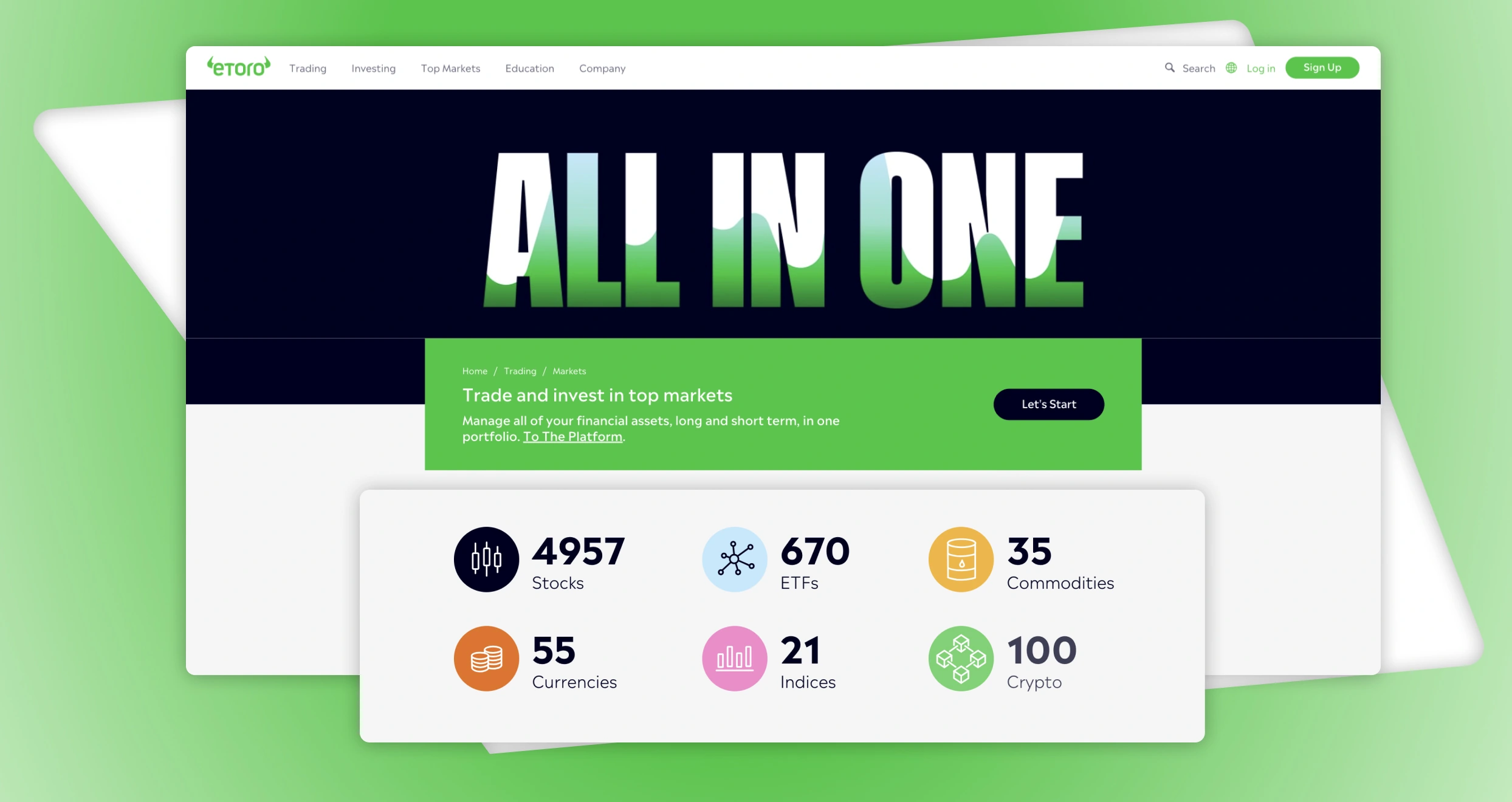
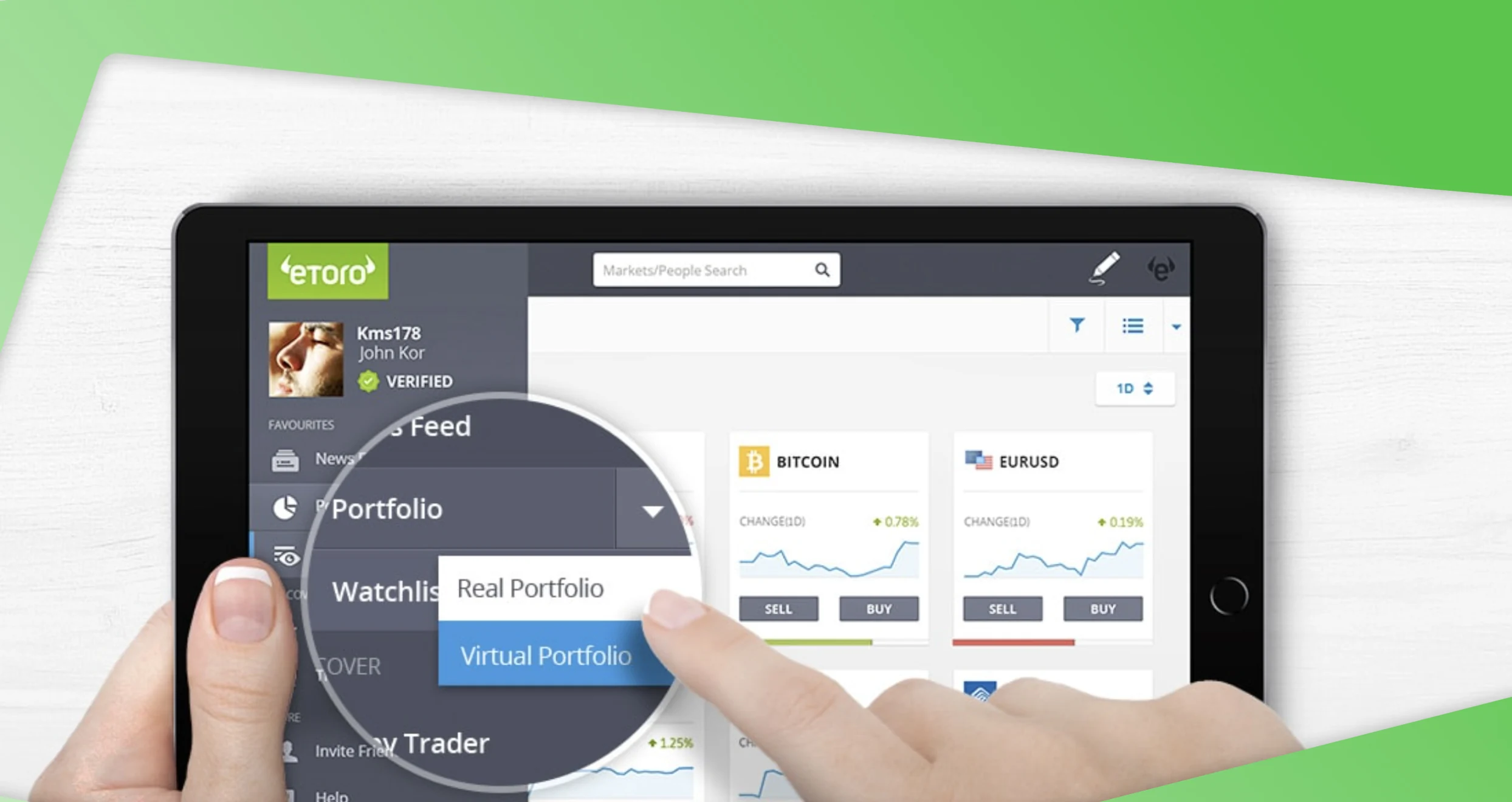

ETF trading on eToro is commission-free across the board, whether you buy manually, via CopyTrader or through a Smart Portfolio. Minimum deposit is £50, and GBP withdrawals carry no fee. Moreover, eToro lists over 300 ETFs from providers including iShares, Vanguard, and SPDR. They cover everything from broad indices to sector and thematic funds.
Non-leveraged ETF positions avoid overnight charges. While there are no third-party platforms like MT4/5, the broker’s proprietary web platform delivers to users’ satisfaction. You will experience fast trade execution speed and access to quality market analysis/learning tools.

eToro
✔5000+ financial instruments
✔Cost-free deposits
Pros & Cons
Fees
Trading Assets
Pros
- Zero-commission ETF trading.
- Lists additional 11,000+ assets.
- 300+ ETFs from major providers.
- No overnight fee on non-leveraged holdings.
Cons
- £5 withdrawal fee from a USD wallet.
- No MT4/5 platforms.
If there’s anything that can eat away at your profit margins, it’s unnecessary costs. Thankfully, eToro fees UK are reasonable and pocket-friendly. We acquired a new account without paying a single cent, which was quite a relief. We also noticed that you can enjoy free deposits by using USD. That said, eToro supports many other currencies, including GBP, EUR, and RMB.
You will incur conversion fees if you use any currency other than USD. And if you use any currency that eToro doesn’t support, you must pay conversion fees to your payment provider. The exact conversion fees you may incur at any moment will depend on various factors, including your preferred currency and payment method.
Please note that eToro subjects each withdrawal request to a £5 fee. The platform uses this money to pay expenses arising from international money transfers. Most importantly, you can’t withdraw less than £30 from the eToro trading platform.
While depositing money into our account, we noticed that eToro has strict minimum deposit requirements. Britons using this platform have to deposit at least £100 the first time. Afterwards, you can fund your account with as little as £10, depending on your preferred payment method.
Commission-wise, eToro is very friendly to people who trade ETFs or invest in real stocks since the broker charges 0% for these assets. On the other hand, if you buy or sell crypto on this platform, expect to pay a 1% fee. CFD trading also attracts variable spreads depending on the involved instruments. For instance, the spreads for currencies and commodities start from 1 pip and 2 pips, respectively.
Not to forget, eToro charges a £10 monthly inactivity fee that kicks in after 12 months of dormancy.
2. Pepperstone


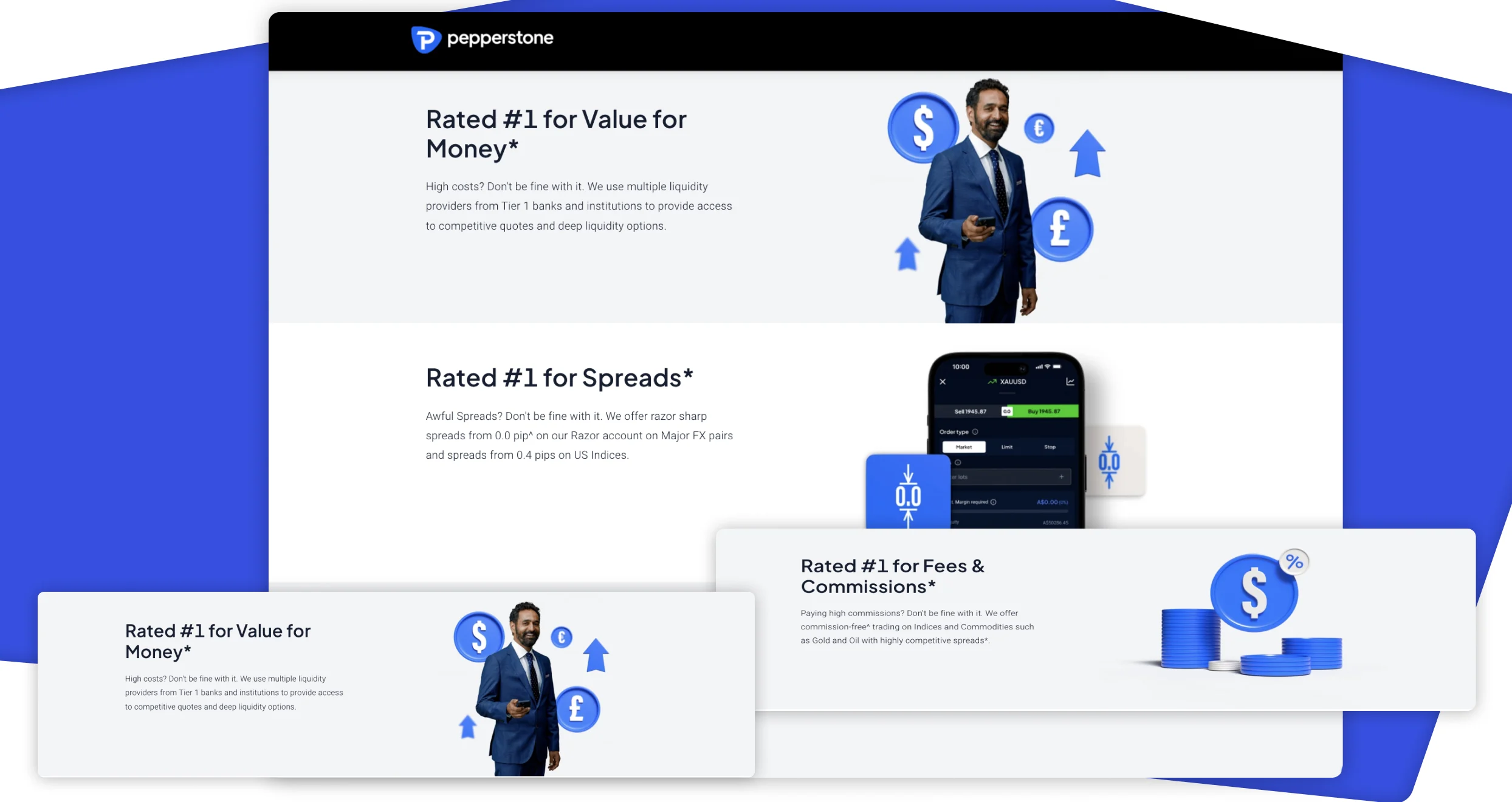
Pepperstone offers 90+ ETF CFDs alongside its shares and indices range, so you’re trading the ETF’s price movement rather than owning fund units. There is no minimum deposit required to start ETF trading and all transactions are free. Besides CFDs, ETFs are supported via spread betting. Plus, you get an additional 2,700 assets for portfolio diversification.
ETF CFDs and spread betting are available through MT4, MT5, cTrader, TradingView, or Pepperstone’s own platform, with dividend adjustments applied on CFD positions to reflect the underlying fund’s payouts. This suits traders wanting shorter-term exposure to fund price swings rather than long-term holding.

Pepperstone
✔24/7 customer support
✔No inactivity fees
Pros & Cons
Fees
Trading Assets
Pros
- Choice of four trading platforms.
- Fast trade execution speed.
- No minimum deposit requirement.
- Excellent learning resources plus a reliable support service.
Cons
- No real fund ownership, CFD only.
- Overnight financing applies to open positions.
After evaluating Pepperstone, we opened a trading account for conducting extensive tests. The process was quick and easy.
But what impressed us most was the Pepperstone minimum deposit requirement. This platform has no minimum deposit, which makes it ideal for low-budget and high-budget traders. If you are a beginner, joining this broker is advisable since you can start with a low amount and increase your stakes with time. To top it off, Pepperstone supports free deposits and withdrawals. This broker allows you to use diverse payment methods for free, from Visa debit and credit cards to PayPal and domestic bank transfers.
When it comes to spreads and commissions, Pepperstone is very cost-friendly. You can open a Razor account with this broker and enjoy 20 commission-free trades. Pepperstone’s Standard accounts also have zero commissions. On the other hand, spreads start from as low as 0.0 pips for forex pairs like EUR/USD and 0.5 for commodities like XAUUSD.
Finally, unlike most of its peers, Pepperstone charges zero inactivity fees. However, any positions you hold overnight with this platform are subject to swap rates. Visit Pepperstone’s pricing page for a detailed account of how this broker calculated swap rates for different financial instruments.
3. Plus500
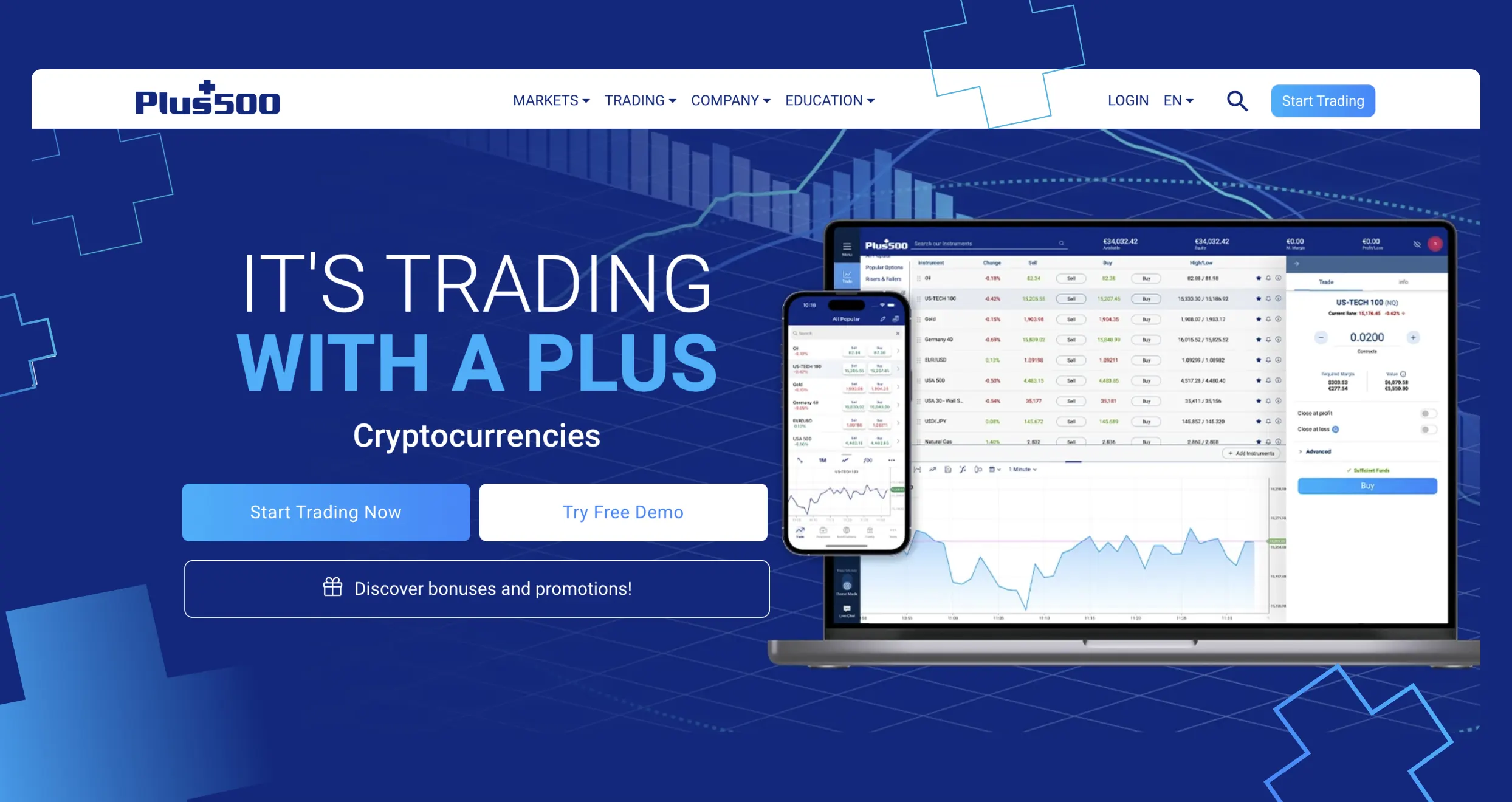
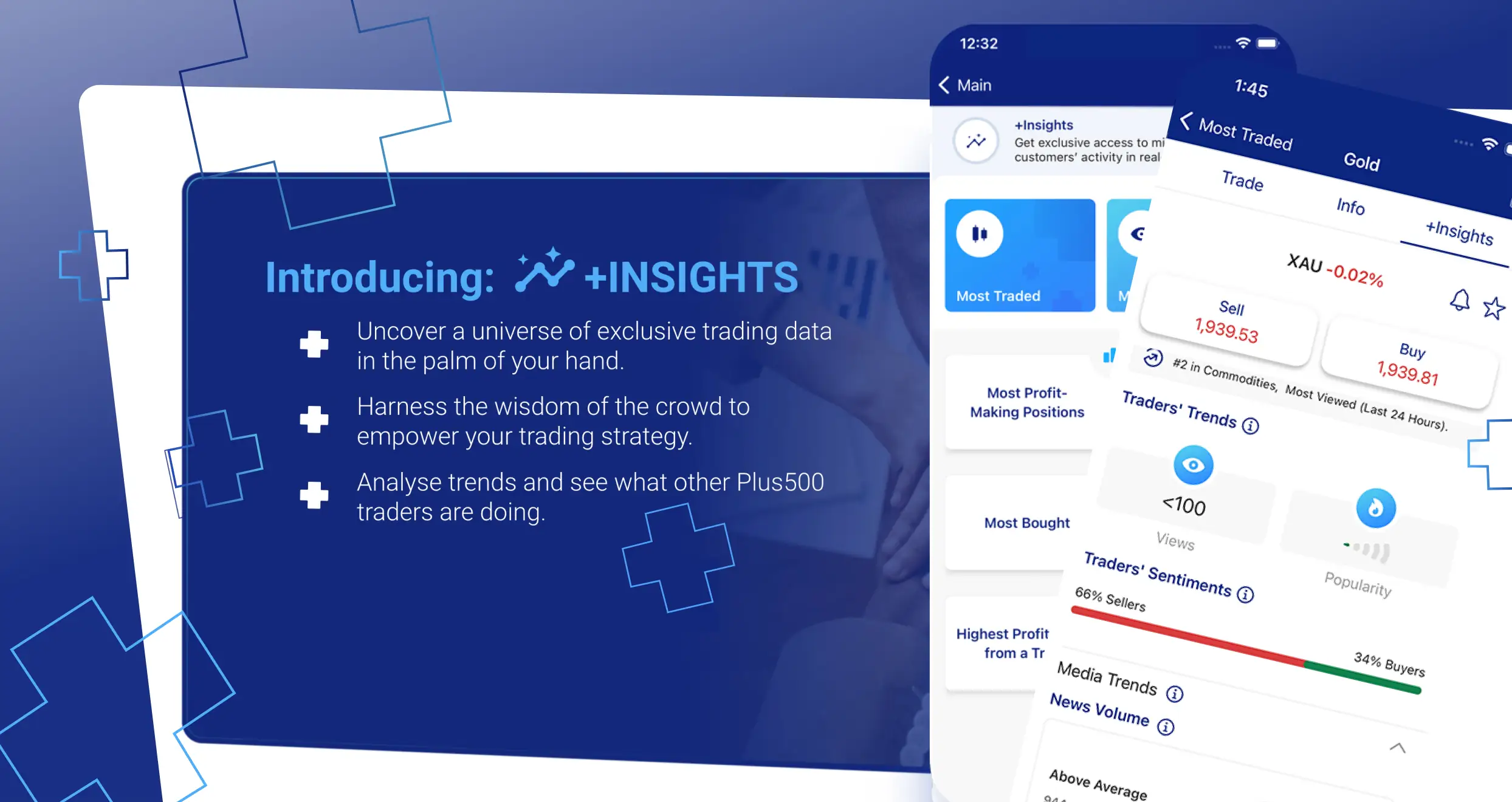


Plus500 covers ETFs as part of its 2,800+ CFD instrument range. The best part is that ETFs come in various sectors, commodities, indices, and more. There are no commissions for ETF trading, but spreads starting from 0.0 pips. For beginners, a demo account is available to test your strategies before committing.
You need to deposit at least £100 to access Plus500’s assets and features. Everything runs through Plus500’s own WebTrader platform and mobile app, which includes guaranteed stop-loss orders and the +Insights tool showing real-time sentiment data across instruments. There’s no MT4, cTrader, or copy trading support, and an inactivity fee of £10 a month applies after three months without activity.

Plus500
✔User-friendly interface
✔Zero deposit and withdrawal fees
Pros & Cons
Fees
Trading Assets
Pros
- Free transactions.
- Guaranteed stop-loss orders are available for risk control.
- Simple proprietary platform, easy to navigate.
- Commission-free trades.
Cons
- No third-party or copy trading platforms.
- Inactivity fee kicks in after three months.
Brokers need to generate revenue and cover operating costs. That’s why many have fees and commissions. Sadly, high charges can undermine your profitability in the long run. That’s why looking for an affordable service provider is necessary.
With that in mind, we evaluated Plus500 fees UK. The process was easy since this broker values transparency. Our team was impressed by the fact that the trading platform doesn’t charge a dime for most services. First, opening an account is free. Deposits and withdrawals also attract zero charges. Furthermore, the broker offers free live CFD prices and dynamic charts. But note that the Plus500 minimum deposit UK is $50.
Plus500 primary source of compensation is the spread. While trading with this platform, you’ll have to cover the spread whenever you open a position. Your costs will depend on various factors, including your preferred instrument and current market conditions.
This broker also charges overnight funding and currency conversion fees. The former fee kicks in whenever you keep a position open overnight. On the other hand, you have to cover currency conversion fees whenever you interact with any currency besides your account’s base currency. Lastly, dormant Plus500 accounts attract a £10 monthly inactivity fee.
What Is an ETF?
An Exchange-Traded Fund (ETF) is a pooled investment product that holds a basket of assets, such as shares, bonds, or commodities. Unlike mutual funds, ETFs trade on stock exchanges throughout the day, just like individual shares.
Most ETFs are designed to track a specific index, such as the FTSE 100 or the S&P 500. This passive approach keeps fees low while providing instant exposure to a broad market or sector.
How to Buy ETFs in the UK: Step-by-Step
Open an Account with an FCA-Regulated Broker
Choose the Right Investment Account
Define Your ETF Strategy and Get Started
To begin investing, open an account with a UK platform regulated by the Financial Conduct Authority (FCA).
Key criteria to compare:
- Trading and platform fees
- Available account types (ISA, SIPP, GIA)
- ETF selection and fund providers (e.g., Vanguard, iShares, Invesco)
- Access to research tools, screeners, and educational support
Popular brokers include Freetrade, Vanguard, Hargreaves Lansdown, and Interactive Investor.
Select an account structure that fits your goals and tax position:
- Stocks & Shares ISA – Tax-free gains and dividends, up to £20,000 per tax year
- SIPP (Self-Invested Personal Pension) – Tax-efficient retirement savings with relief on contributions
- General Investment Account (GIA) – No annual limit, but capital gains and dividend income may be taxed
Before investing, clarify your financial goals, time horizon, and risk tolerance. Ask yourself:
- Am I aiming for long-term capital growth or passive income?
- Do I want exposure to UK equities, global markets, or specific sectors?
- What level of volatility am I comfortable with?
Once you’ve defined your investment profile, follow these key steps:
- Research FCA-regulated brokers— Use trusted comparison tools or visit broker websites directly to evaluate fees, platform features, and ETF access.
- Open and verify your account— Complete the required identity verification to comply with UK financial regulations.
- Select your account type—choose between a Stocks & Shares ISA for tax-free investing, a SIPP for retirement savings, or a GIA for flexibility without tax advantages.
- Fund your account—transfer money via bank transfer or set up a direct debit for regular monthly contributions.
- Explore ETFs—Use platform filters to compare funds by region, asset class, performance, and risk.
By completing these steps, you’ll be ready to build an ETF portfolio aligned with your long-term strategy and financial objectives.
ETF Strategies for UK Investors
1. Buy and Hold
Buy low-cost, diversified ETFs and hold them over the long term. This passive strategy benefits from compound growth and keeps costs low.
Example: Vanguard FTSE All-World UCITS ETF (VWRL)
2. Pound-Cost Averaging (DCA)
Keep investing the same amount monthly; don’t change based on market news. This smooths out the average purchase price over time and removes emotional decision-making.
Benefit: Encourages consistency and reduces timing risk.
3. Asset Allocation
Divide your investments between major asset classes, equities, bonds, and cash, based on your age, goals, and risk profile. Younger investors may prefer equities for growth, while older investors may lean more toward bonds for capital preservation.
4. Core-Satellite Strategy
Build a “core” portfolio using broad-market ETFs, then add smaller “satellite” positions in high-growth or thematic funds.
Core: Global or UK equity ETFs
Satellites: Clean energy, technology, emerging markets
5. Sector Rotation
Adjust your portfolio to reflect macroeconomic conditions. For example, rotate into defensive sectors during downturns and cyclical sectors during recoveries.
Note: This is an active approach that requires careful market analysis and may increase trading costs.
6. Swing Trading
Trade ETFs for days or weeks using technical signals and charts. Swing traders aim to capitalise on short-term price movements and volatility.
Tip: This works better for experienced investors and needs constant watching.
7. Hedging with ETFs
Advanced investors may use inverse or volatility-tracking ETFs to hedge against potential downturns in their portfolio. These funds can help offset losses but carry higher risk and complexity.
Caution: Leveraged or inverse ETFs are not recommended for beginners due to their daily reset features and volatility.
How to Choose the Right ETF
Compare ETFs using your broker’s tools by checking:
- Asset Class – Equity, bonds, commodities, or multi-asset
- Geographic Focus – UK, US, global, or emerging markets
- Replication Method – Physical (holds the assets) or synthetic (uses derivatives)
- Distribution Type – Accumulation (reinvests dividends) or Income (pays dividends out)
- Ongoing Charges Figure (OCF) – Aim for under 0.30% for cost-efficiency
- Tracking Error – Shows how well the ETF follows what it’s supposed to copy
- Liquidity and Size – Larger ETFs usually offer lower trading costs and higher stability
Always review the Key Investor Information Document (KIID) before purchasing.
Types of ETFs Available in the UK
UK investors can access a wide range of ETFs to suit different strategies:
- Equity ETFs – Track indices like FTSE 100, S&P 500, or MSCI World
- Bond ETFs – Invest in government or corporate debt for stability or income
- Dividend ETFs – Focus on high-yield stocks that distribute regular income
- Trend ETFs – Target popular sectors like renewable energy, tech, or health
- Multi-Asset ETFs – Combine different asset types for diversification in one product
Risks of ETF Investing in the UK
Despite their benefits, ETFs carry investment risks:
- Market risk – If the market goes down, ETFs that follow it will also go down
- Currency risk – Foreign ETFs are impacted by exchange rate fluctuations
- Hard to sell risk – Some smaller or less popular ETFs might be tough to buy or sell when you want to
- Counterparty risk – Synthetic ETFs rely on third-party contracts
- Diversification illusion – Overlapping ETFs can concentrate rather than spread risk
To mitigate these risks, diversify wisely, review holdings periodically, and rebalance your portfolio annually.
FAQs
Can I start investing in ETFs with a small amount?
Yes. Many platforms offer fractional shares, allowing you to start with as little as £10 per month, especially within a Stocks & Shares ISA.
Are ETFs beginner-friendly?
Absolutely. Broad-market ETFs offer low-cost, low-maintenance exposure to diverse sectors and geographies.
How are ETFs taxed in the UK?
Investments held in ISAs and SIPPs are exempt from capital gains and dividend tax. Investments in GIAs may incur tax if annual allowances are exceeded.
Where can I buy ETFs in the UK?
Top Share Investing Brokers
1. eToro
eToro lets you invest in 8,000+ real shares from more than 20 global exchanges with zero commission, so your full deposit goes into the position rather than a dealing fee. The minimum deposit is £50, topped up from £10 thereafter. All transactions to and from a GBP account are free, although withdrawing from the USD wallet costs a flat £5.
Trading runs through the web platform or iOS/Android app, which are reliable with fast execution speed. The broker also features a CopyTrader that allows users to mirror other investors’ share picks and Smart Portfolios. For new investors, eToro offers a free £100,000 demo account for practising before committing real money.
2. Pepperstone
Pepperstone doesn’t offer direct share ownership. Instead, you trade share CFDs, whereby you get to speculate on price movements of global shares without holding the stock itself. You can also spread bet on the assets. There’s no minimum deposit requirement, and all transactions are free.
Withdrawals take up to 3 business days. And besides shares, you get access to additional asset classes, including indices, forex, commodities, and more, for portfolio diversification. All these assets are tradable through Pepperstone’s MT4, MT5, cTrader, TradingView, or its proprietary Web platform. Tools like Autochartist and VPS hosting are aimed at traders wanting automated chart analysis and faster execution.
3. Capital.com
Capital.com supports CFD trading, so shares are accessed as unleveraged via its 1X platform or leveraged CFD positions rather than direct holdings. Its minimum deposit requirement is £20, and there are no deposit/withdrawal fees. While there is also no inactivity fee, expect to incur financing charges for positions held overnight.
Overall, Capital.com lists thousands of global shares to explore, with 0% commission and spreads built into pricing. The platform also covers other instruments, including forex, commodities, indices, and more. Everything runs through Capital.com’s own web and mobile app, which integrates TradingView-style charting, price alerts, and built-in risk management tools like guaranteed stop-loss orders. There is also the MT4 platform.
From FCA-authorised brokers such as Vanguard, Freetrade, Hargreaves Lansdown, and Interactive Investor. Choose based on fees, fund range, and ease of use.Best ETF Brokers
Final Thoughts
ETF investing in the UK provides a flexible, affordable, and tax-efficient way to grow wealth over the long term. Whether you’re pursuing global diversification, generating income, or aligning with market trends, ETFs offer a practical foundation for nearly any financial strategy.
By choosing the right broker, account type, and investment strategy and by reviewing your portfolio regularly, you’ll be well-positioned to achieve your financial goals.
Related Articles:



This guide is actually helpful and responsible