




 Visit site
 Read review





Yulia Pavliuk is a financial content writer with a background in language, education, and clear communication. She creates SEO-friendly articles that make complex finance topics like ETFs and forex signals clear and accessible, with a strong focus on UK audiences.

 Fact checked
Advertising Disclosure
We may receive compensation from our partners for placement of their products or services, which helps to maintain our site. We may also receive compensation if you click on certain links posted on our site. While compensation arrangements may affect the order, position or placement of product information, it doesn’t influence our assessment of those products.
For UK investors, choosing the best ETF trading platform in 2026 means finding a balance between low fees, FCA regulation, and user-friendly tools. In this guide, the terms “ETF broker” and “ETF trading platform” are used interchangeably – they both refer to FCA-authorised services where you can buy, sell, or trade ETFs.
It’s also important to understand the difference between real ETFs and ETF CFDs. When you buy a real ETF, you hold the actual fund in your account, which may generate dividends and is generally suited for long-term investing. By contrast, an ETF CFD (Contract for Difference) lets you speculate on price movements without owning the asset. CFDs can use leverage, making them more flexible for short-term trading but also higher risk.
This guide reviews the top FCA-regulated ETF platforms in the UK for 2026. Our selection is based on five key factors: fee structure, regulatory status, range of ETFs, platform usability, and customer support.
List of the Best ETF Trading Platforms
-
1

 Visit site
Risk Warning
Visit site
Risk Warning86% of retail investor accounts lose money when trading on margin with this provider. You should consider whether you understand how margin trading works and whether you can afford to take the high risk of losing your money.
Read review
-
2
 Visit site
{etoroCFDrisk}% of retail investor accounts lose money when trading CFDs with this provider.
Read review
Visit site
{etoroCFDrisk}% of retail investor accounts lose money when trading CFDs with this provider.
Read review
-
3
 Visit site
76% of retail investor accounts lose money when trading CFDs with this provider.
Read review
Visit site
76% of retail investor accounts lose money when trading CFDs with this provider.
Read review
-
4
 Visit site
Risk Warning
Visit site
Risk Warning66% of retail investor accounts lose money when trading CFDs with this provider.
Read review
In This Guide
UK ETF Trading Platforms: Comparison Table
Many UK brokers support ETF trading, but not all offer access to real Exchange-Traded Funds (ETFs). Most UK brokers focus on Contracts for Difference (CFDs). A CFD lets you speculate on the price of an ETF without actually owning it, often using leverage. This can increase both gains and losses, making CFDs better suited for short-term trading. By contrast, when you buy a real ETF, you hold the fund itself, which may pay dividends and is generally used for long-term investing. Only a limited number of platforms support direct access to real ETFs.
To help you identify reliable options, we reviewed dozens of providers and selected four ETF trading platforms that stand out in 2026. Recognised financial regulators have authorised each platform, which provides robust trading software, responsive support, and convenient payment options.
| ETF Platform | Licence & Regulation | Support Service | Software | Payment Method | Demo Account |
|---|---|---|---|---|---|
| Pepperstone | FCA, ASIC, DFSA, SCB, CMA, CySEC, BaFin | 24/7 | MT4, MT5, TradingView, cTrader, proprietary platform, social trading | Visa, Mastercard, PayPal, Skrill, Neteller, bank transfer | Yes |
| eToro | FCA, CySEC, ASIC, MAS, FSCA, GFSC, ADGM, SFSA, MFSA, SEC | 24/5 | Proprietary web and mobile platform | Credit/debit cards, bank transfer, PayPal, Skrill, Neteller, Klarna | Yes |
| Plus500* 76% of retail investor accounts lose money when trading CFDs with this provider. | FCA (FRN 509909), MAS, FSCA, CySEC (#250/14), ASIC | 24/7 | Plus500 CFD platform | Visa, MasterCard, PayPal, Skrill, Bank transfer | Yes |
| Saxo | FCA, FSA, MAS, FINMA, JFSA, SFC, ASIC, AFM, FSMA | 24/5 | SaxoTraderGo, SaxoTraderPRO | Bank/wire transfer, debit card | Yes |
ETF Platform Fees Comparison
Fees directly affect your returns, especially when trading frequently or in large volumes. To help UK investors minimise unnecessary costs, we compared the core charges across leading ETF trading platforms. This includes deposits, withdrawals, spreads, and any ongoing account fees.
Fees
| Fee Type | Pepperstone | eToro | Plus500* | Saxo |
|---|---|---|---|---|
| Minimum Deposit | £0 | £50 | £50 | £0 |
| Deposit Fees | Free | Free | Free | Free |
| Withdrawal Fees | Free | £5 per withdrawal | Free | Free |
| Commission / Spreads | From 0.0 pips | From 0% | From 0% | From 0.03% |
| Inactivity Fee | £0 | £10/month | £10/month | £0 |
Note: 76% of CFD retail accounts lose money with this provider.
Our Expert’s View: Top ETF Trading Platforms in the UK
All four ETF platforms featured below are fully regulated by the Financial Conduct Authority (FCA) and several tier-1 bodies globally, including ASIC, MAS, and FSCA. We compared over 15 FCA-regulated brokers, focusing on five criteria: fee structure, range of ETFs, regulation, platform usability, and customer feedback from Trustpilot, the App Store, and Google Play. Here’s how they compare.
1. Pepperstone – Best ETF Platform for CFD Traders


Why choose Pepperstone?
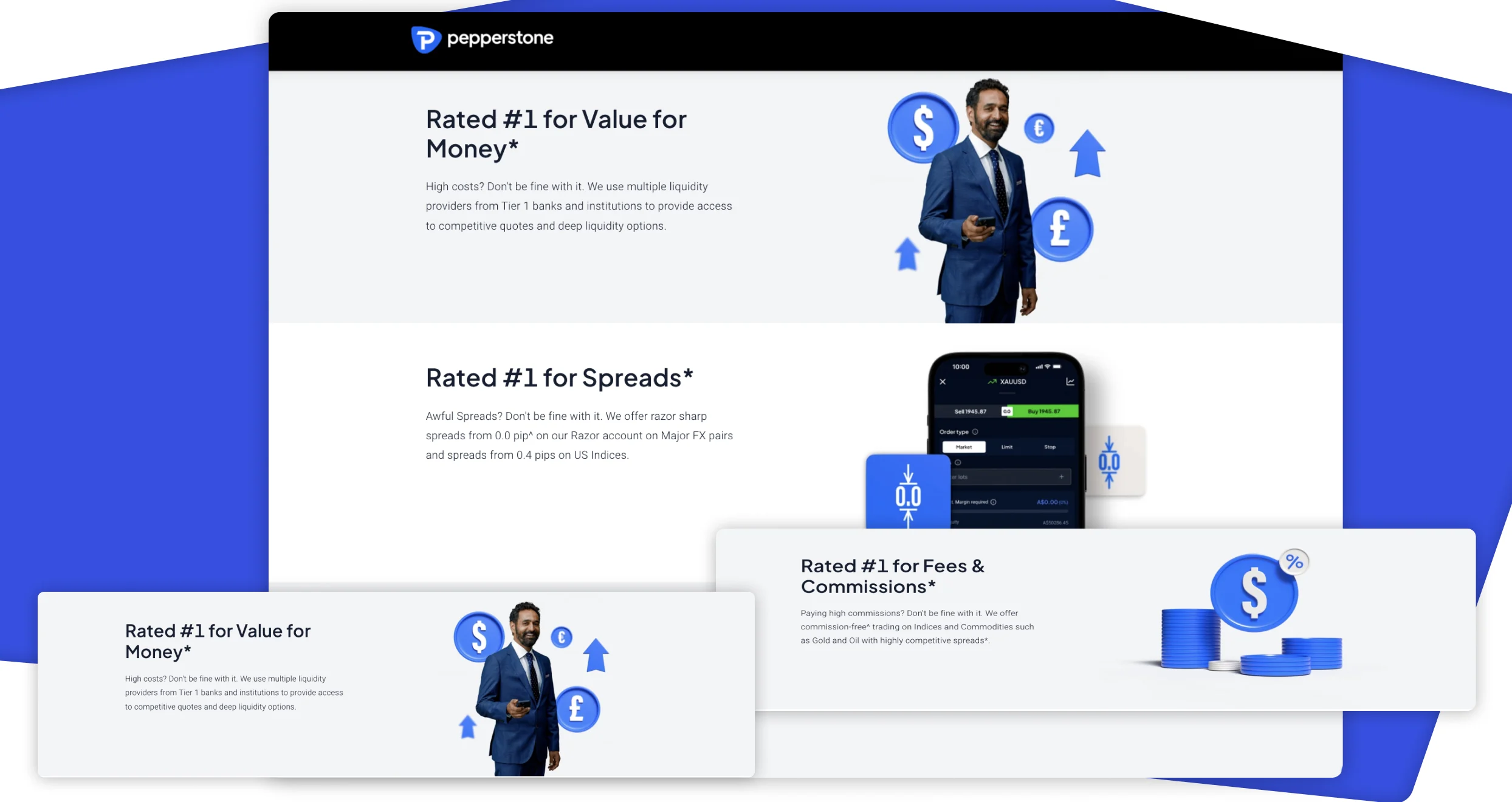
Pepperstone stands out for ETF traders who want low spreads, powerful trading platforms, and flexible CFD exposure. The broker categorises ETF CFDs by region and sector, including options like the iShares Europe ETF and ARK Space Exploration & Innovation.
Trading platforms available:
- MetaTrader 4 (MT4): Trusted by algo traders for its EA (Expert Advisor) support.
- MetaTrader 5 (MT5): Offers more advanced features for analysis and order control.
- cTrader: Preferred for fast execution, manual scalping, and API automation.
Pepperstone 2026
✔24/7 customer support
✔No inactivity fees
Pros & Cons
Fees
Trading Assets
Pros
- 100+ ETF CFDs across global sectors.
- Categorised ETF filters: North America, UK, Europe, Middle East.
- Supports algorithmic trading and Pro account upgrades.
- No minimum deposit, free deposits/withdrawals.
- High-quality market analysis and tools.
Cons
- Focuses on CFDs only (no real ETFs).
- Pepperstone’s average ETF CFD spread is 0.08%, compared with 0.05% on eToro. For high-volume traders, this difference can add up over time.
After evaluating Pepperstone, we opened a trading account for conducting extensive tests. The process was quick and easy.
But what impressed us most was the Pepperstone minimum deposit requirement. This platform has no minimum deposit, which makes it ideal for low-budget and high-budget traders. If you are a beginner, joining this broker is advisable since you can start with a low amount and increase your stakes with time. To top it off, Pepperstone supports free deposits and withdrawals. This broker allows you to use diverse payment methods for free, from Visa debit and credit cards to PayPal and domestic bank transfers.
When it comes to spreads and commissions, Pepperstone is very cost-friendly. You can open a Razor account with this broker and enjoy 20 commission-free trades. Pepperstone’s Standard accounts also have zero commissions. On the other hand, spreads start from as low as 0.0 pips for forex pairs like EUR/USD and 0.5 for commodities like XAUUSD.
Finally, unlike most of its peers, Pepperstone charges zero inactivity fees. However, any positions you hold overnight with this platform are subject to swap rates. Visit Pepperstone’s pricing page for a detailed account of how this broker calculated swap rates for different financial instruments.
2. eToro – Best Overall ETF Platform in the UK


Why choose eToro?
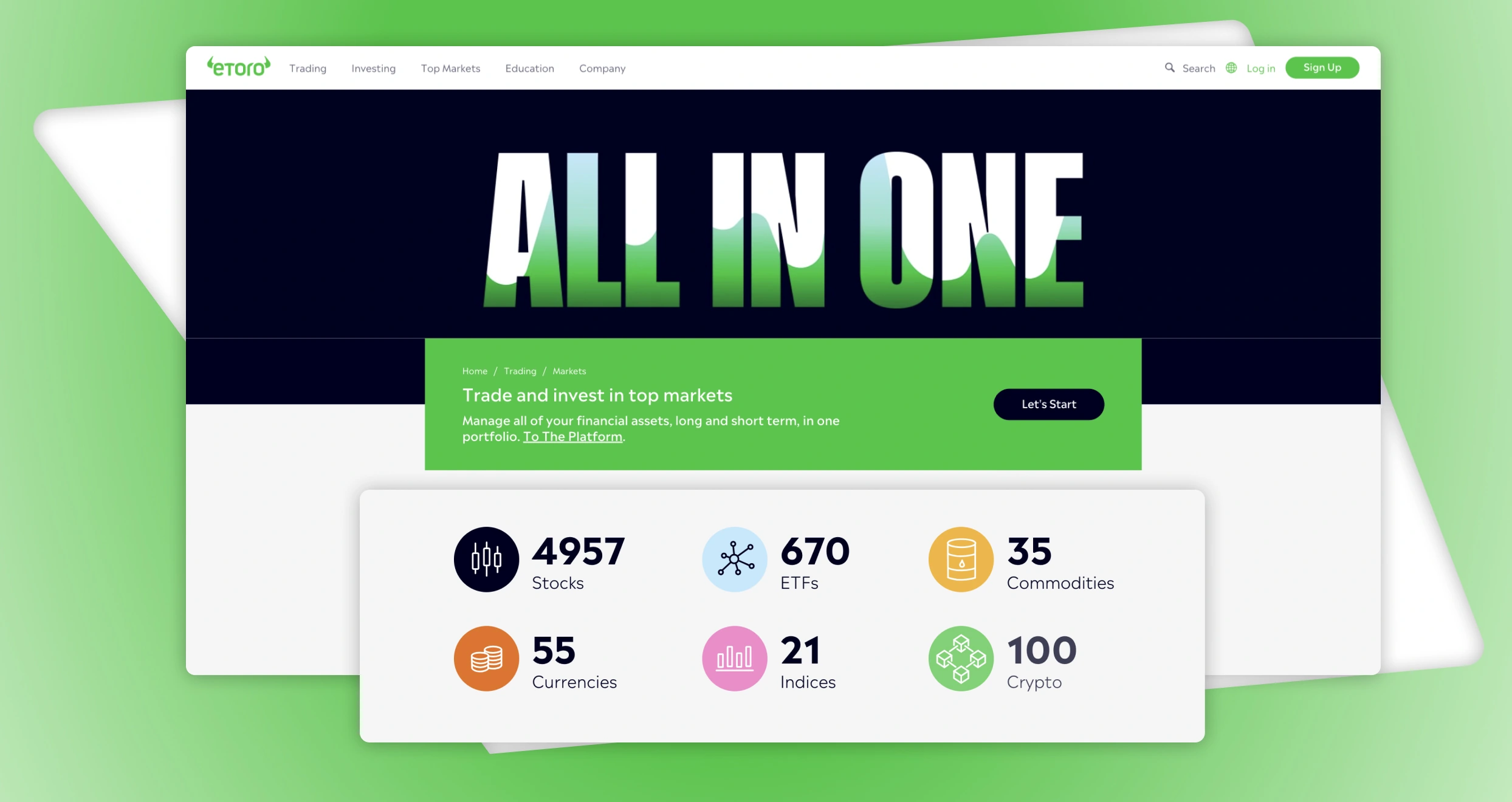
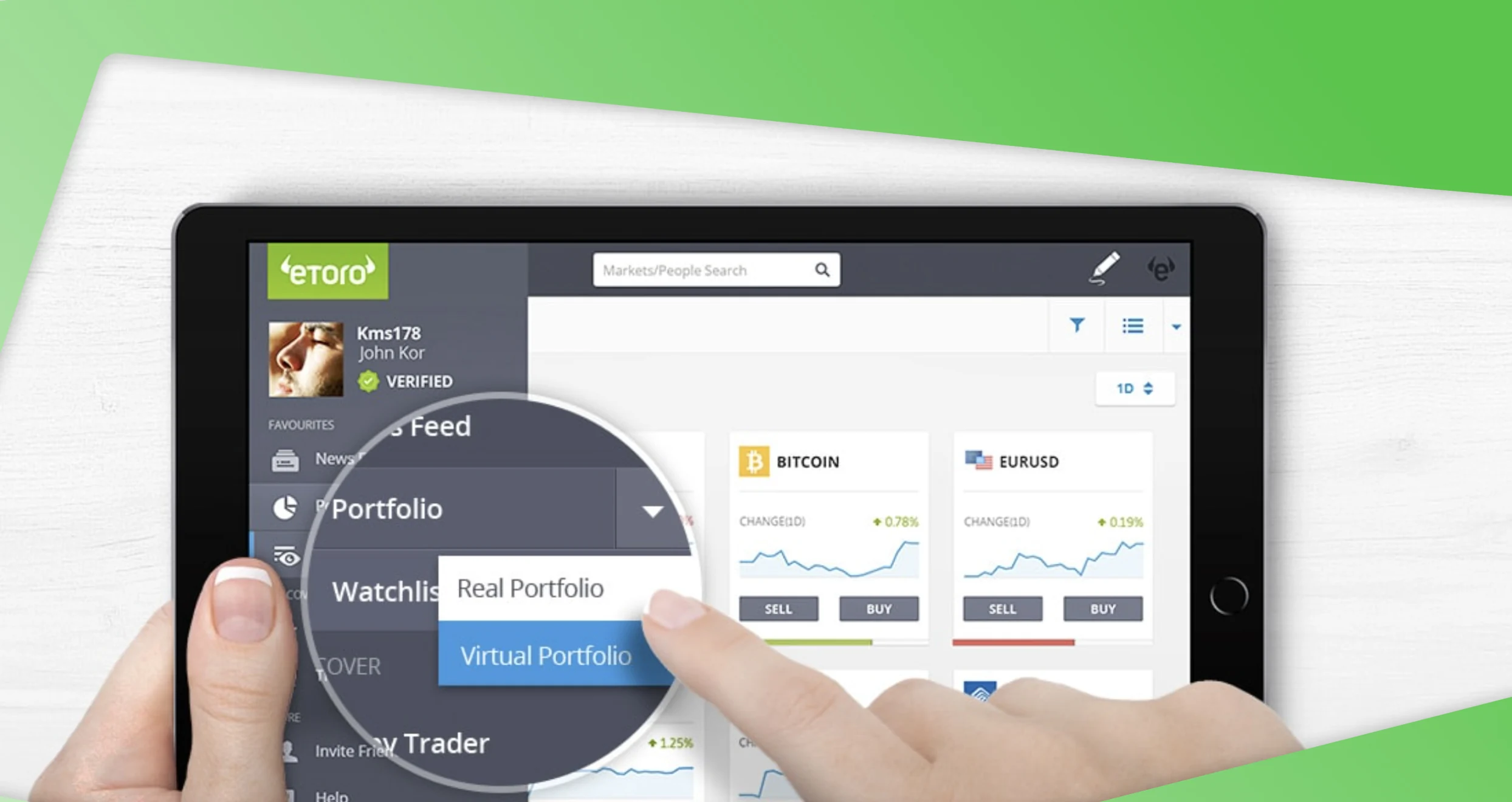
eToro offers a broad selection of over 670 ETFs, including real ETFs and CFDs, with zero commission on real ETF trades. Its standout features are social trading and copy trading, ideal for beginners and those looking to learn from top traders.
Popular ETF categories include:
- SPDR S&P 500
- Invesco QQQ
- iShares Short Treasury Bond
- Groupings include London, NASDAQ, and NYSE for intuitive navigation.
eToro 2026
✔5000+ financial instruments
✔Cost-free deposits
Pros & Cons
Fees
Trading Assets
Pros
- Real ETF investing and CFD trading available.
- 0% commission on ETF and stock investments.
- Copy and social trading tools are included.
- Free deposits; minimum deposit from £10 (after initial).
- Smart portfolios and educational content.
Cons
- £5 withdrawal fee applies.
- £10/month inactivity fee after 12 months.
If there’s anything that can eat away at your profit margins, it’s unnecessary costs. Thankfully, eToro fees UK are reasonable and pocket-friendly. We acquired a new account without paying a single cent, which was quite a relief. We also noticed that you can enjoy free deposits by using USD. That said, eToro supports many other currencies, including GBP, EUR, and RMB.
You will incur conversion fees if you use any currency other than USD. And if you use any currency that eToro doesn’t support, you must pay conversion fees to your payment provider. The exact conversion fees you may incur at any moment will depend on various factors, including your preferred currency and payment method.
Please note that eToro subjects each withdrawal request to a £5 fee. The platform uses this money to pay expenses arising from international money transfers. Most importantly, you can’t withdraw less than £30 from the eToro trading platform.
While depositing money into our account, we noticed that eToro has strict minimum deposit requirements. Britons using this platform have to deposit at least £100 the first time. Afterwards, you can fund your account with as little as £10, depending on your preferred payment method.
Commission-wise, eToro is very friendly to people who trade ETFs or invest in real stocks since the broker charges 0% for these assets. On the other hand, if you buy or sell crypto on this platform, expect to pay a 1% fee. CFD trading also attracts variable spreads depending on the involved instruments. For instance, the spreads for currencies and commodities start from 1 pip and 2 pips, respectively.
Not to forget, eToro charges a £10 monthly inactivity fee that kicks in after 12 months of dormancy.
3. Plus500 – Best* Low-Cost Platform for ETF CFD Trading


Why choose Plus500?
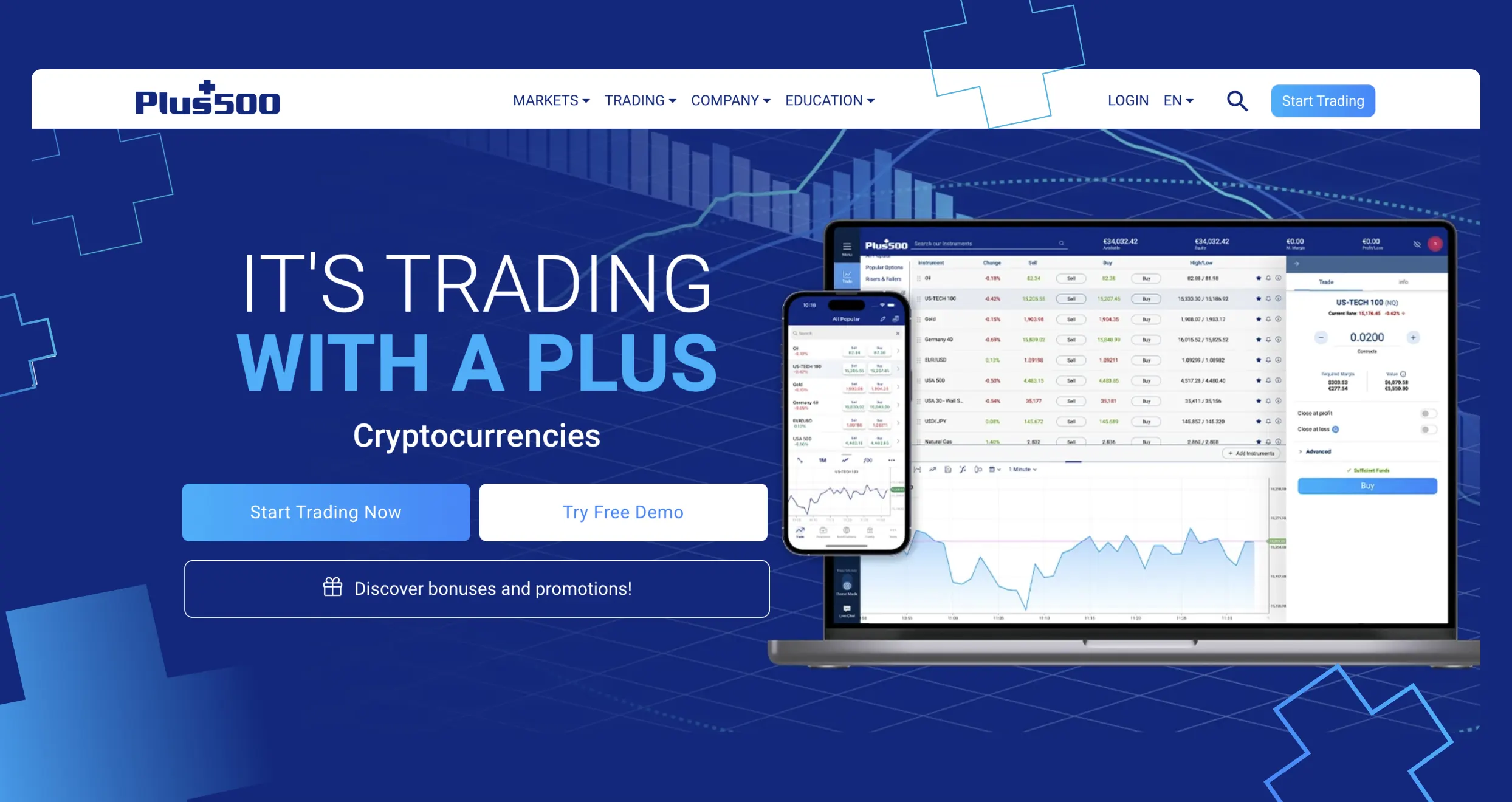
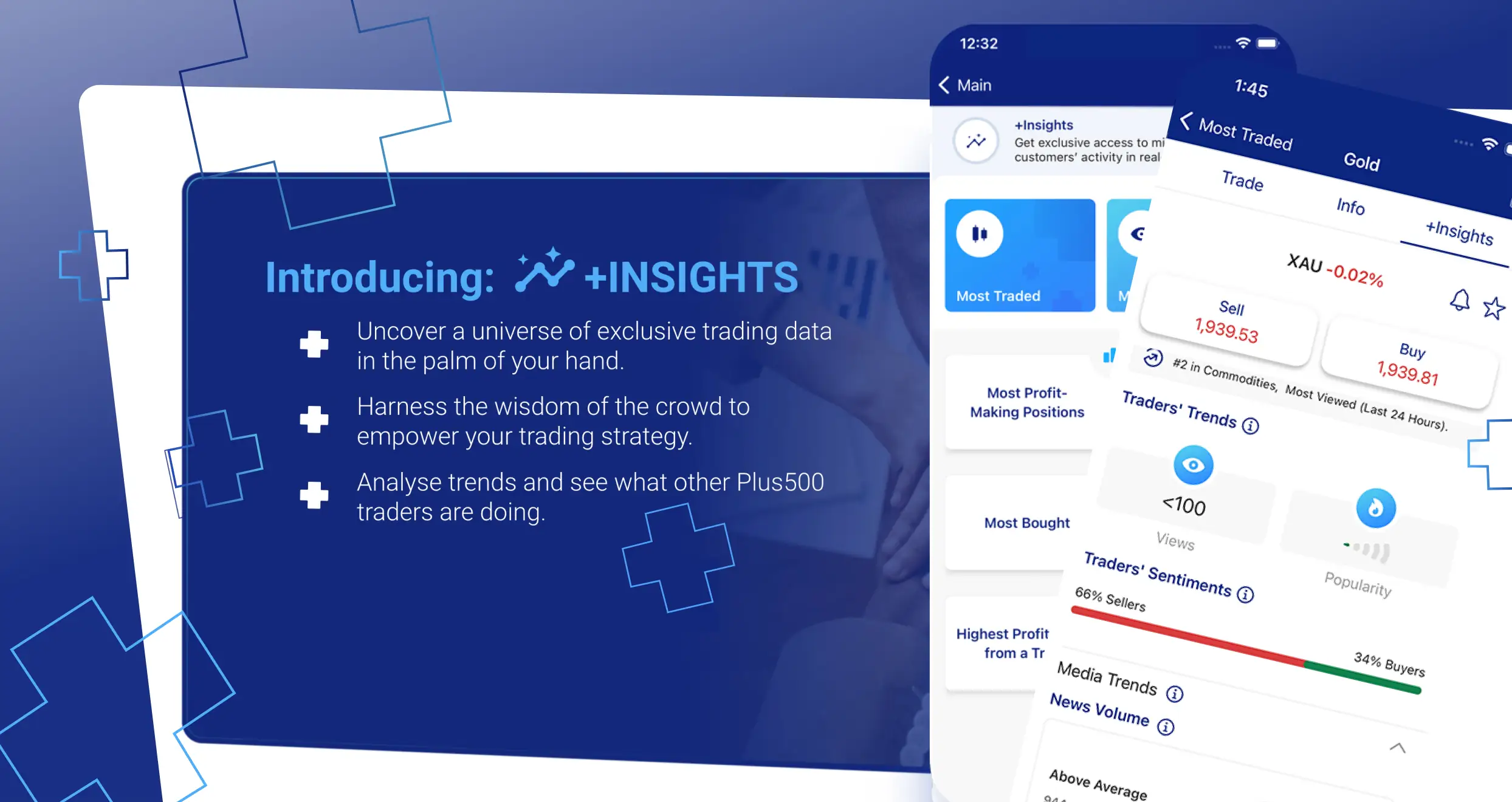
Plus500 is a strong option for low-cost ETF CFD trading in the UK. It offers a streamlined platform with no deposit, withdrawal, or account maintenance fees, making it ideal for budget-conscious traders. Users can access popular ETF CFDs, including GLD Gold, iShares Silver, and Vanguard Mid-Cap Growth.
To better understand the mechanics of this product, read our full guide on CFD trading in the UK.
Leverage and transparency:
- Up to 1:5 leverage on ETF CFDs
- £100 minimum deposit
- Authorised by the FCA (#509909)
If you’re just getting started with managing money, explore our comparison of the best budgeting apps in the UK to support your financial goals alongside investing.
For affiliates or account-specific support, visit the Plus500 Affiliate Portal.
*Investment Trends 2020
Note: 76% of CFD retail accounts lose money with this provider.
Plus500 2026
✔User-friendly interface
✔Zero deposit and withdrawal fees
Pros & Cons
Fees
Trading Assets
Pros
- Commission-free ETF CFD trading
- No deposit or withdrawal fees
- Tight spreads on selected assets
- Straightforward fee structure
- Large range of tradable instruments beyond ETFs
Cons
- Only CFD trading is available (no access to real ETFs)
- £10/month inactivity fee after 3 months
- Currency conversion fees on Plus500 can reach up to 0.7%, compared with 0.5% on Saxo, which may impact frequent cross-currency trades.
Brokers need to generate revenue and cover operating costs. That’s why many have fees and commissions. Sadly, high charges can undermine your profitability in the long run. That’s why looking for an affordable service provider is necessary.
With that in mind, we evaluated Plus500 fees UK. The process was easy since this broker values transparency. Our team was impressed by the fact that the trading platform doesn’t charge a dime for most services. First, opening an account is free. Deposits and withdrawals also attract zero charges. Furthermore, the broker offers free live CFD prices and dynamic charts. But note that the Plus500 minimum deposit UK is $50.
Plus500 primary source of compensation is the spread. While trading with this platform, you’ll have to cover the spread whenever you open a position. Your costs will depend on various factors, including your preferred instrument and current market conditions.
This broker also charges overnight funding and currency conversion fees. The former fee kicks in whenever you keep a position open overnight. On the other hand, you have to cover currency conversion fees whenever you interact with any currency besides your account’s base currency. Lastly, dormant Plus500 accounts attract a £10 monthly inactivity fee.
4. Saxo – Best Platform for Long-Term ETF Investors


Why choose Saxo?
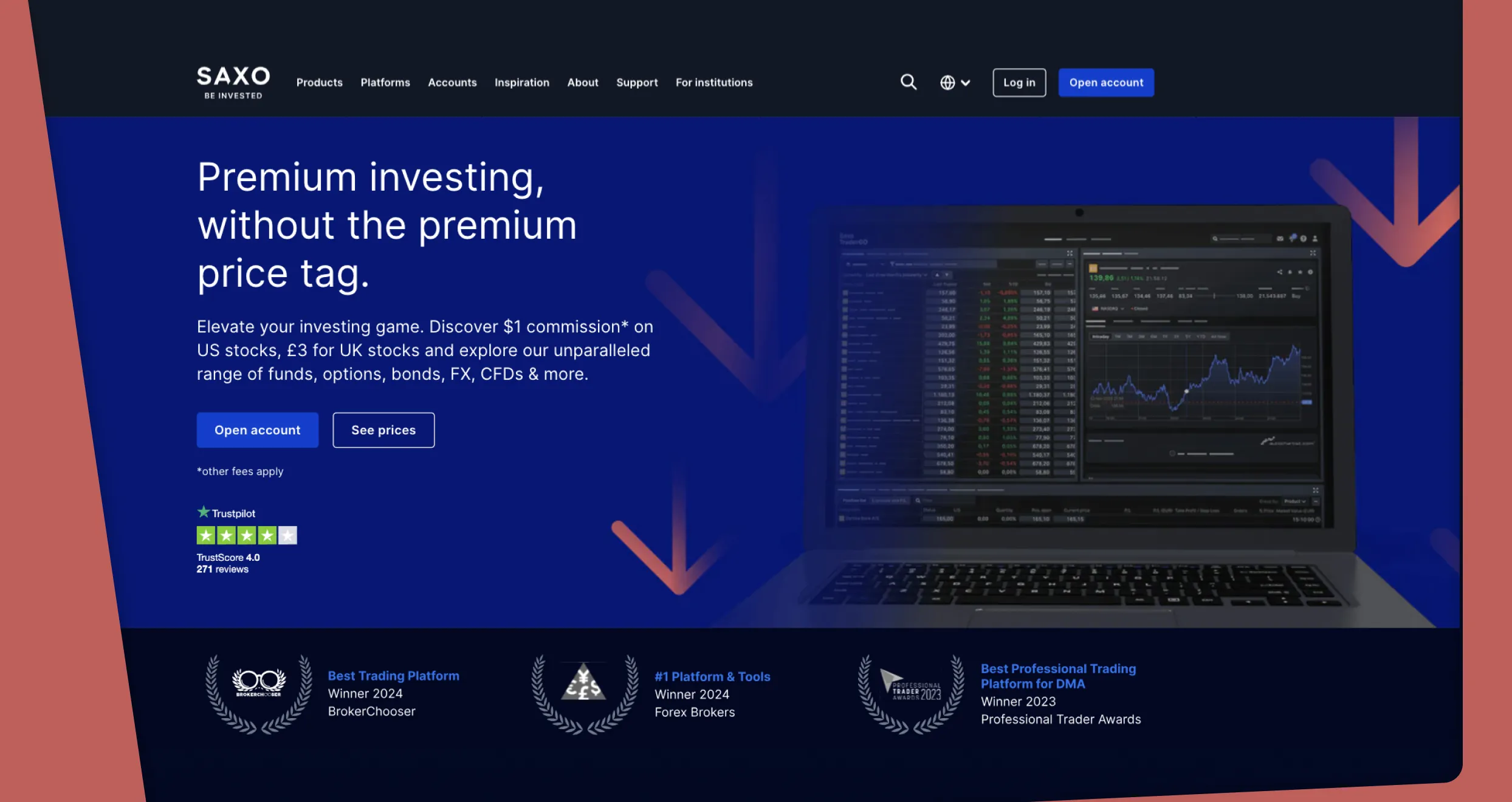
Saxo is best for investors building diversified, long-term portfolios. It supports real ETF investing with access to over 7,000 ETFs starting from £1, alongside 23,000+ stocks and 5,900 bonds.
Key investment features:
- Low commission from 0.03% (on major markets).
- No minimum deposit.
- Free deposits and withdrawals.
- Saxo applies a custody fee of 0.12% annually on ETF, stock, and bond holdings, which may add costs for long-term investors with large portfolios.

Saxo 2026
✔No minimum deposit requirement
✔Low commissions for all asset classes
Pros & Cons
Fees
Trading Assets
Pros
- Access to 71,000+ instruments across leveraged and investment products.
- Managed portfolios for hands-off investing.
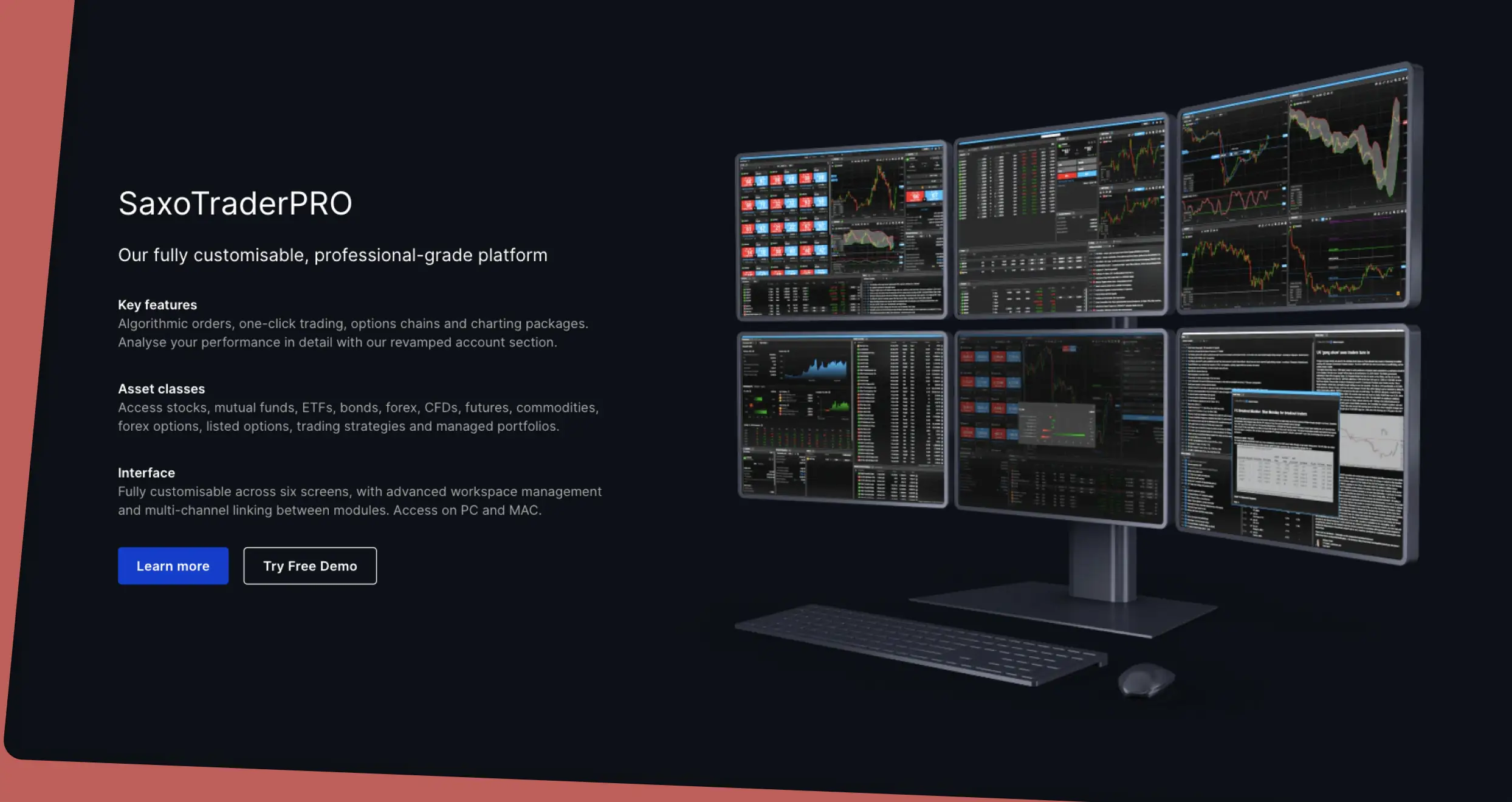
- Customisable platforms for advanced users.
Cons
- Trading tools are less accessible to beginners.
- Professional account upgrades come with stricter eligibility.
Saxo is one of the brokers in the UK with transparent fee structures. While analysing its trading and no-trading charges, we noted that the broker has no hidden charges. This makes it easier for users to plan and budget for their activities without worrying about extra charges once fully invested.
Additionally, we find Saxo affordable since it charges low commissions, starting at $1 on US stocks, ETFs, and futures. For traders interested in options and government bonds, Saxo charges low fees, starting at $0.75 and $0.05%, respectively.
When it comes to Saxo’s minimum deposit requirement, the broker has none. This means that any trader, whether new or budget-conscious, can create a trading account with the broker and start exploring the financial space. However, expect to incur a currency conversion fee, especially when you trade using a different currency from your account’s base denomination. The good news is this fee doesn’t apply to marginal collateral and can never exceed +/- 0.25%.
Financing charges for positions left overnight are also applicable at Saxo. For investors, expect to incur annual custody fees if your account holds stock, bond, or ETF/ETC positions. The exact fee will vary depending on your account. Our analysis showed that you will pay up to 0.15% for the classic account, 0.12% for the platinum account, and 0.09% for VIP accounts.
Lastly, Saxo charges fees for additional services besides those mentioned above. For instance, it imposes a $50 fee for online report requests. Plus, transactions are free, and there is no inactivity fee should your account stay idle for some time.
ETF Trading in the UK
Regulation and Investor Protection
ETF trading is legal and regulated in the UK. To trade, you must use an FCA-authorised broker, which ensures that client funds are segregated, capital requirements are met, and the platform operates under strict transparency rules. You must also be at least 18 years old and provide valid identification when opening an account.
UK Tax Rules
Profits from ETF trading in the UK may be subject to Capital Gains Tax (CGT). However, tax-efficient accounts such as ISAs and pensions allow investors to hold ETFs without incurring CGT. Dividend income from ETFs may also be taxable. Always check the latest HMRC guidance before investing.
Demo Accounts and Education
Most leading platforms offer free demo accounts, giving beginners the chance to practise ETF trading in real-time conditions without risking money. Many brokers also provide educational resources such as video tutorials, webinars, and research reports, helping UK investors build knowledge before trading live.
Risks and How to Manage Them
While ETFs are diversified compared to single stocks, trading still carries risks, including market volatility, currency fluctuations, and platform fees. Investors can manage these risks by using:
- Stop-loss orders – automatically close a position if the price falls to a set level.
- Limit orders – enter or exit at a specific price, helping control costs.
- Portfolio rebalancing – regularly adjust ETF holdings to maintain your chosen risk level.
- Diversification – spread investments across equity, bond, and commodity ETFs.
- Demo accounts – test strategies before applying them with real money.
ETF trading offers opportunities for diversification and flexibility, but outcomes depend on choosing the right platform and applying consistent risk management.
Pros and Cons of ETF Investing
ETFs offer UK investors a cost-efficient way to diversify portfolios, but they come with specific risks that need to be understood. Below is a balanced summary of the main advantages and disadvantages of ETF investing in 2026.
Pros & Cons
Pros
- Diversification — ETFs provide exposure to a broad mix of assets, reducing reliance on any single stock or sector. For example, an ETF tracking the FTSE 100 spreads risk across 100 leading UK companies.
- Low Costs — Compared to traditional funds, ETFs typically have lower ongoing charges. Many platforms, such as eToro and Saxo, offer 0% commission on real ETF trades.
- Intraday Trading — ETFs can be bought or sold at market prices during the trading day, giving investors greater flexibility than traditional index funds.
- Fractional Investing — Some brokers allow you to invest in partial ETF units from as little as £10, making it easier to build a diversified portfolio with a smaller budget.
- Tax Efficiency — Real ETFs held in an ISA or SIPP can grow free of capital gains or income tax, depending on the account type used.
Cons
- Market Risk – Just like with individual shares, ETF values can drop during market downturns. While diversification helps, it won’t shield you entirely, and many investors realise this only after seeing their portfolio fall during a rough quarter.
- Tracking Error – Some ETFs may not perfectly mirror the index they aim to follow. This small performance gap can be caused by fees, timing differences, or replication method.
- Liquidity – Niche or low-volume ETFs may be harder to buy or sell at competitive prices, leading to wider spreads or delayed execution.
- Overtrading Risk – Because ETFs are easy to access and trade frequently, some investors may be tempted to trade too often, which can erode returns through spreads and fees.
- Thematic and Leveraged ETF Risks – Thematic ETFs (e.g. clean energy, AI) can be volatile and speculative. Leveraged ETFs amplify gains and losses and are unsuitable for long-term investing or beginner portfolios.
Whether you’re just getting started or reviewing your existing portfolio, weighing the pros and cons upfront can help avoid common mistakes many investors make.
Maximising Tax Benefits and Flexibility When Trading ETFs
Making the most of your ETF investments in the UK isn’t just about choosing the right funds or platform – it’s also about using the right account types and platform features to maximise tax efficiency and flexibility.
Leverage ISA and SIPP Accounts for Tax Efficiency
For UK investors, the most effective way to shield ETF gains and income from tax is by using a Stocks & Shares ISA or a Self-Invested Personal Pension (SIPP). Both wrappers offer significant tax advantages:
- Stocks & Shares ISA: Any gains or dividends from ETFs held within an ISA are completely tax-free, with no capital gains tax (CGT) and no income tax. You can invest up to the annual ISA allowance (£20,000 for most investors) each tax year.
- SIPP: Contributions to a SIPP receive tax relief, boosting your investment by at least 20% (more for higher-rate taxpayers). All growth and income within the SIPP are tax-free until you withdraw funds at retirement.
When comparing platforms, check which ones support ISA and SIPP accounts, as this is not universal. Some platforms, like Saxo and eToro, offer ISA eligibility for a wide range of ETFs, while others focus on general investment accounts.
Understand the Tax Differences: Real ETFs vs. ETF CFDs
It’s important to know that only real ETFs are eligible for ISAs and SIPPs. ETF CFDs, contracts for difference that let you speculate on price movements, cannot be held in these tax-advantaged accounts. Profits from CFD trading are typically subject to capital gains tax, and you may not benefit from the same tax-free growth or income as with real ETFs.
Platform Features That Enhance Flexibility
Beyond tax wrappers, certain platform features can further boost your flexibility and efficiency:
- Fractional ETF Investing: Some platforms, like eToro, allow you to buy fractions of ETFs, making it easier to diversify even with a small budget and fully utilise your annual allowances.
- Automated Investment Plans: Tools such as regular investing or robo-advisory portfolios (available on platforms like InvestEngine and Saxo) help you automate contributions and rebalancing, ensuring you make the most of tax allowances throughout the year.
- Flexible Transfers: Look for platforms with straightforward ISA and SIPP transfer processes. This allows you to move accounts without losing tax benefits, taking advantage of better fees or features elsewhere.
Practical Tips for Maximising Tax Benefits
- Maximise Allowances: Aim to use your full ISA allowance each year to shield as much of your ETF portfolio as possible from tax.
- Utilise SIPP Contributions: Take advantage of pension tax relief by contributing to a SIPP, especially if you are a higher-rate taxpayer.
- Monitor FX and Transaction Fees: Currency conversion and trading fees can eat into your returns. Some platforms charge as little as 0.5% for FX, while others may be higher; compare these carefully, especially if investing in overseas ETFs.
- Transfer Accounts When Needed: If you find a platform with lower fees or better features, consider transferring your ISA or SIPP to maximise long-term flexibility without losing tax benefits.
By making strategic use of account types and platform features, UK investors can significantly reduce their tax burden and increase the flexibility of their ETF investments. Always review the latest HMRC guidance and platform terms to ensure you’re maximising every available advantage.
What Is an ETF Trading Platform?

An ETF trading platform is an online broker that allows UK investors to buy and sell exchange-traded funds. These platforms offer real-time access to ETFs listed on global exchanges, covering stocks, indices, commodities, currencies, and more.
Top-rated ETF trading platforms in the UK offer:
- Access to real ETFs and ETF CFDs
- Competitive spreads and 0% commission options
- Regulated status with the Financial Conduct Authority (FCA)
- User-friendly platforms on web and mobile
- Free demo accounts for ETF trading practice
ETF brokers must be FCA-regulated to operate in the UK legally. Avoid unregulated providers, as they may expose you to unnecessary risks, poor platform performance, and lack of customer protection.
When choosing the best ETF trading platform:
- Compare the number of ETFs available (UK, US, and global markets)
- Check for low fees, tight spreads, and no inactivity charges
- Look for additional features like copy trading, smart portfolios, or automation tools
Trading with a trusted UK ETF platform ensures your account is secure and that you have access to professional tools and support.
How to Choose the Best ETF Trading Platform
Choosing the right ETF trading platform in the UK can be challenging. With hundreds of options online, and new ones appearing regularly, it’s important to focus on regulated, reliable providers that meet your trading needs. Below are the key factors to consider when comparing ETF platforms:
FCA Regulation
ETF and Asset Coverage
Platform Fees
Customer Support
Platform Reputation
Always choose an ETF trading platform that is authorised and regulated by the Financial Conduct Authority (FCA). FCA-regulated brokers are required to meet strict capital, transparency, and operational standards. This regulation helps protect your funds and ensures the platform operates fairly. Avoid unregulated providers; they often lack client safeguards and can pose a serious risk.
A good platform should offer access to a wide range of real ETFs and ETF CFDs, including UK, US, and global funds. Look for variety across equity ETFs, commodity ETFs, bond ETFs, and sector-specific options. Also check if the platform supports additional asset classes like forex, stocks, commodities, and indices to allow for portfolio diversification.
Fees can eat into your returns, especially if you trade regularly. Compare:
- Trading fees (commissions and spreads)
- Non-trading fees (withdrawals, inactivity, and conversion fees)
- Minimum deposit requirements
Choose a platform that offers low fees, transparent pricing, and no hidden charges. Many leading brokers now offer 0% commission on ETFs and free deposits or withdrawals.
Fast, helpful customer service is essential. Issues such as delayed withdrawals, login problems, or account verification delays can happen. Before signing up, test the platform’s customer support, ideally via live chat or phone, to check response times and professionalism. Look for 24/5 or 24/7 availability.
Review feedback from real users on Trustpilot, the App Store, or Google Play. Focus on comments about:
- Service reliability
- ETF availability
- Withdrawal speed
- Fee transparency
- Platform usability
A high Trustpilot rating or consistently positive user reviews is a strong indicator of platform quality.
How to Sign Up for an Account with an ETF Trading Platform
Opening an account with an FCA-regulated ETF trading platform is straightforward and usually takes just a few minutes. Most UK brokers follow the same basic process: account registration, identity verification, deposit, and access to trading tools.
Follow these simple steps to get started:
Step 1: Choose a regulated ETF trading platform
Step 2: Begin registration
Step 3: Verify your identity
Step 4: Fund your account
Step 5: Start trading ETFs
Start by selecting a platform that offers ETF trading and is authorised by the Financial Conduct Authority (FCA). Visit the broker’s official website and confirm it supports real ETFs or ETF CFDs. Before signing up, review key details such as:
- Supported asset classes (ETFs, stocks, forex, etc.)
- Fee structure (commissions, spreads, and withdrawal charges)
- Platform features and terms
Click the “Sign Up” or “Create Account” button to start the registration process. Most platforms will ask for:
- Your full name
- Date of birth
- Email address or mobile number
- A secure password
Provide accurate information to avoid delays during the verification process.
To comply with FCA anti-money laundering (AML) and Know Your Customer (KYC) rules, all ETF trading accounts must be verified. This protects investors against fraud and ensures platforms operate fairly.
- A valid photo ID (e.g. passport or driving licence)
- A proof of address (e.g. bank statement or utility bill dated within the last 3 months)
The verification process typically takes a few hours, though some brokers offer instant approval.
Once verified, you can make your first deposit. Check the platform’s minimum deposit amount and supported payment methods. Most UK ETF platforms accept:
- Debit/credit cards
- Bank transfers
- E-wallets (e.g. PayPal, Skrill, Neteller)
Beginners may prefer platforms with lower deposit requirements and fee-free funding options.
After funding your account, you can access the platform’s full list of ETF products. Choose from equity, bond, commodity, or sector-based ETFs. You may also explore other instruments like stocks or currencies for portfolio diversification.
To manage risk, consider using:
- Stop-loss orders
- Limit orders
- Portfolio allocation tools
ETF trading offers long-term potential, but strategies that include risk control are essential for protecting your capital.
FAQs
Which ETF trading platform is best for beginners?
For beginners, eToro is one of the best options thanks to its £10 minimum deposit, intuitive app, and copy trading tools. Pepperstone is also beginner-friendly with no minimum deposit, free demo accounts, and tight spreads for those interested in ETF CFDs.
Can I invest in US ETFs from the UK?
Due to PRIIPs regulations, most US-listed ETFs are not directly available to UK retail investors. Instead, platforms such as Saxo and eToro provide access to UCITS ETFs, which track the same indices (like the S&P 500 or NASDAQ 100) but are domiciled in Europe.
Do any platforms support fractional ETF investing?
Yes. eToro allows UK investors to buy fractions of ETFs from as little as £10, making diversification easier for smaller budgets. By contrast, Saxo requires you to purchase full ETF units. Availability depends on the broker you choose.
Which platform offers the best research and analysis tools?
Saxo is well-known for its professional-grade ETF screeners, performance charts, and market reports. eToro also provides Smart Portfolios and social trading features that help beginners learn by following experienced traders.
Are automated ETF portfolios available in the UK?
Yes. Many UK brokers now offer automated ETF portfolios, also called robo-advisers. eToro and Nutmeg, for instance, build and rebalance portfolios based on your risk profile, making them useful for long-term, hands-off investing.
What’s the difference between ETFs and index funds?
Both ETFs and index funds track a market index. The difference is that ETFs trade on exchanges like shares, with prices changing throughout the day, while index funds are priced once daily. ETFs provide more flexibility, while index funds suit investors who prefer simplicity.
Are ETFs safer than stocks?
ETFs usually carry lower risk than buying a single stock because they spread exposure across many companies. For example, an ETF tracking the FTSE 100 includes 100 different firms, while owning only Tesco shares ties your investment to one company’s performance.
How many ETFs should I start with?
Many beginners start with two or three diversified ETFs; for instance, a global equity ETF, a bond ETF, and a sector-based ETF. This keeps the portfolio simple while providing balance. More funds can be added later as your knowledge grows.
Conclusion
ETF trading in the UK offers a practical way to diversify portfolios and gain exposure to global markets. The best starting point is always an FCA-regulated platform, as this ensures compliance with strict financial standards and keeps your funds protected.
For beginners, demo accounts and educational tools are valuable for building confidence before risking real capital. More experienced traders may benefit from advanced platforms that provide market research, Smart Portfolios, or professional-grade screeners.
Ultimately, outcomes depend on your strategy, fee awareness, and risk management. Treat ETFs as a long-term tool for building wealth rather than a shortcut to quick profits. This guide is for educational purposes only and does not represent financial advice.
Related Articles:



Most platforms listed here are decent, but fees and execution speed matter. eToro’s social trading is useful, but the £5 withdrawal fee is annoying. Saxo’s ETF variety is great, but their platform isn't the easiest.
I started trading ETFs with eToro and liked how easy it was to use, plus the zero commission really helped me save money.
One thing I like about ETFs over individual stocks - way less stressful. Don't have to worry about a single company going bust or missing earnings. My tech stocks have been all over the place this year but the ETFs just keep chugging along steadily.
I’ve recently set up a small ETF investment for my children and chose real ETFs on purpose. For me it’s about keeping things simple and avoiding leverage altogether. I just want steady, long-term growth without extra complications. I liked how clearly you laid out the difference, and the note on fees was useful too.